Celtic's Callum McGregor Calls for Unity and Effort After Ibrox Defeat
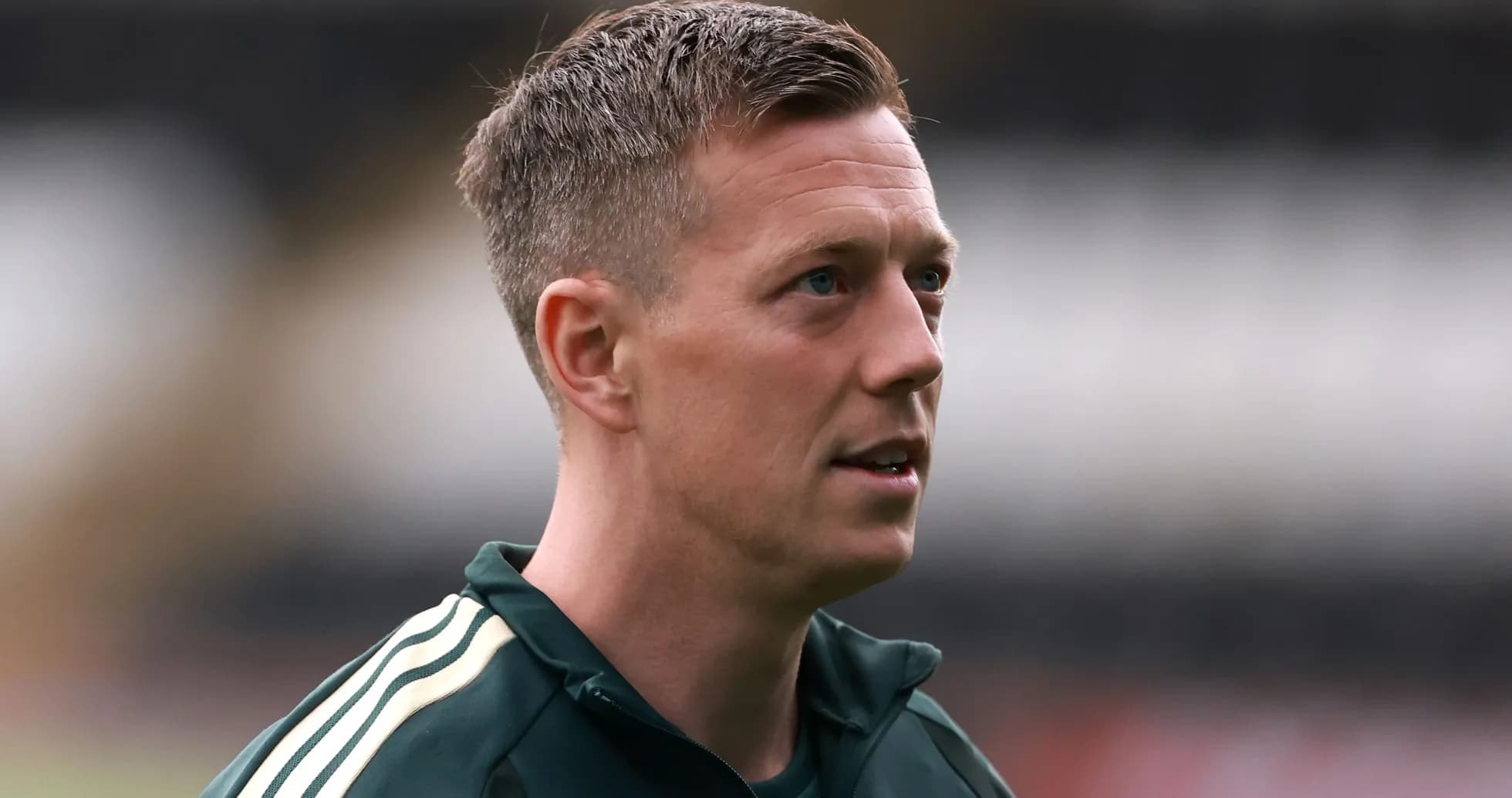
Callum McGregor did not bother with diplomacy at Ibrox. He drew a hard line between the two teams – and put Celtic on the wrong side of it.
“I think the difference between the two sides was you’ve seen a team and then you’ve seen a team of individuals,” the Celtic captain said. “Rangers were a team and you could see that. We looked like a team of individuals that wanted to do our own thing and play when we got the ball, not necessarily run when you don’t have the ball.”
In one swipe he hit effort, attitude and unity. Then he went further, accusing the players on the park of being reluctant to run. The implication was brutal: they might not hesitate to pick up their wages, but they were hesitant when it came to the work required to earn them in a game that matters more than most to the club and its support.
“That’s the one thing you can’t do when you come here is just don’t run. You can’t defend with six players, it’s impossible. We’re trying to get the message to everyone that we have to be a team.
“We have to be the team that we want to be. We need to find a way to do that quickly because we lost a big game in LASK. We lost another big game today and it’s not acceptable,” McGregor said.
“If we want to be a good Celtic team then we have to win the big games. That’s one thing we’ve always done is win big games and turned up when it mattered. So far this season we’ve been bitty in games and we need to fix it.”
The manager had called this result and performance a wake-up call. McGregor’s words made it sound more like an alarm that has already been snoozed once too often after that Champions League collapse in Linz against LASK.
“We’ve put ourselves under pressure,” the captain admitted. “We need to respond on Thursday and we need to respond on Sunday.”
Celtic fans can live with a lot. They cannot live with a lack of effort. Any player unwilling to run, to press, to suffer for the shirt, belongs in the stand, not in the starting XI. McGregor, still in full flow, acknowledged that the team had been poor almost everywhere on the pitch – with one notable exception.
“We were poor in pretty much every area of the game,” he said. The honourable mention goes to Colby Donovan, probably the lowest-paid player on the pitch, who at least emerged with credit.
“Once we went behind in the game we never looked like we were recovering really to be honest. We had a couple of good moments early on.
If we take them it’s a different game. And we know that coming here you’re not going to get hundreds and hundreds of chances. You get moments in the game where if you take them it can totally change the outlook of the game. I felt like once we went one behind then we never really looked like getting back in it to be honest.”
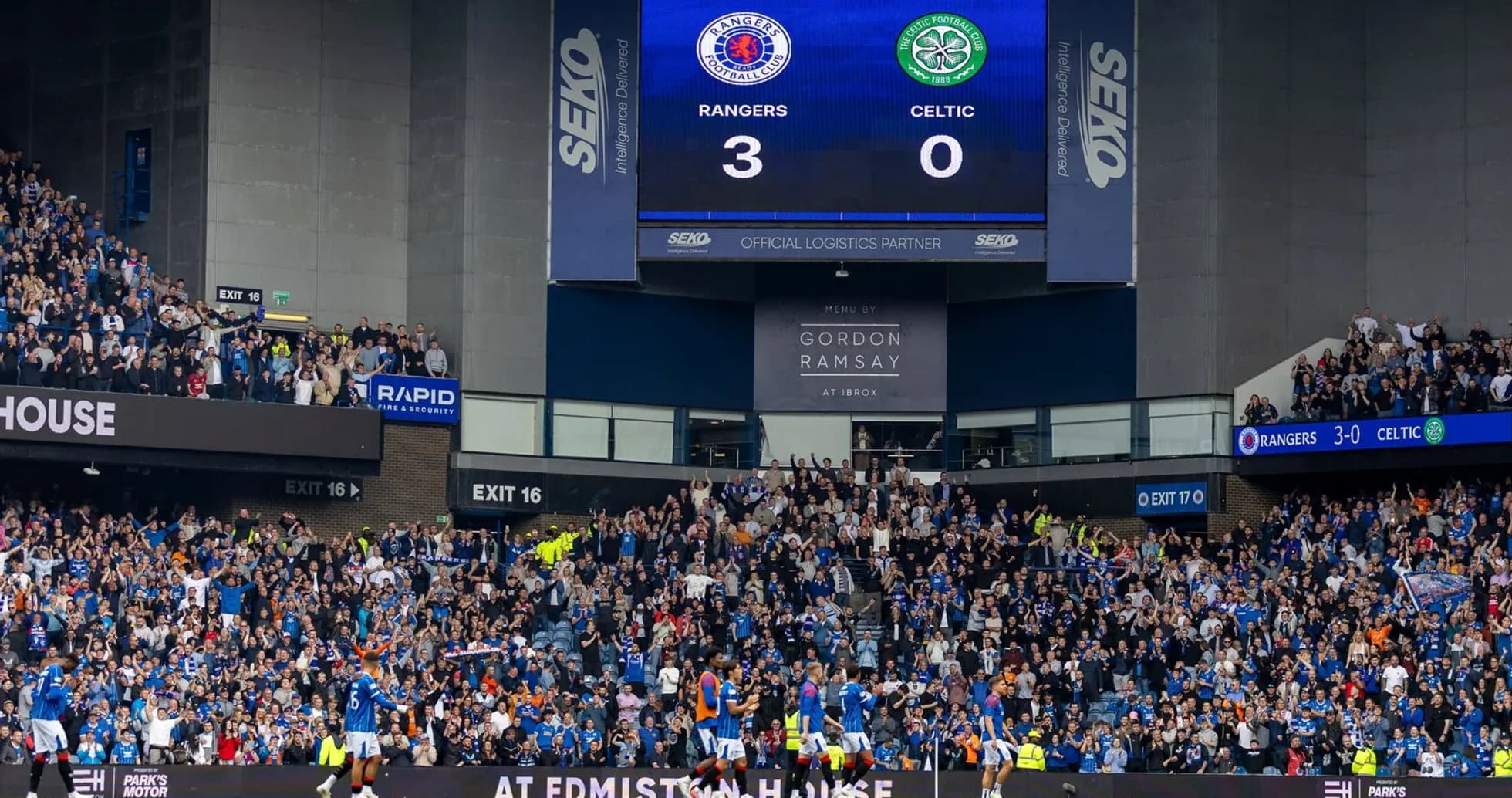
In plain terms, Celtic folded. After the third goal, the contest was gone and McGregor’s focus shifted from rescue mission to damage limitation.
“You don’t want fours and fives for sure,” he admitted. “As soon as the goal went in, then I’m saying to Cam and Scalesy, ‘Look, no more goals, we have to just tighten this up’.
“Of course, we always want to get back in the game. And we always want to be a team that, even at 3-0 down, you still want to have a chance, but you have to understand the circumstance you’re in as well. If it starts to run at fours and fives, then you’re talking about a different ballgame.”
The players are fooling no one with a display like that. At Celtic, you deliver or you disappear. There is nowhere to hide, no room to coast, no space to point fingers elsewhere. The standard is collective responsibility and individual accountability. On that front, only Donovan emerged with any real praise.
“You can see it, 100 per cent,” McGregor said. “You can see it, especially for the guys that have been here for a long time and the guys that have been watching Celtic for a long time.
“You see the team and how it functions and how it performs and how it behaves. And it’s just been too bitty. So we have to find a way to bring it back and bridge that gap and start to bring it together. Because if we don’t, then you’ll have more days like this.”
He has been around long enough to recognise the warning signs. He went searching for reasons, but there was no attempt to dress them up.
“There are some new guys in, trying to get them bedded in, trying to get them to understand the system, how we want the Celtic team to look,” he said. “There have been shades of it this season but not enough. So eventually the penny has to drop, we have to get there. Because you can’t just turn it on and off, it’s impossible.
“Especially when you come to venues like this. You have to be good against the ball and when you get it, you have to be the version of Celtic that we want to be. And we know it gets us success.”
The captain stressed that the tools and the information are there. The missing piece is turning that work into performances when it matters most.
“It’s reinforcement, it’s training, it’s coaching, it’s all of these things,” he said. “The guys are given good information. We’ve been doing this a long time. You need to bring it together because it’s two big games that we’ve lost.
“And you probably won’t get many more before the pressure really ramps up. And we have to be honest about that, let’s not shy away from it. So we have to fix it.”
And fix it they must, quickly. Two huge fixtures loom this week, capped by Rangers visiting Celtic Park on Sunday. Around 60,000 Celtic supporters will be there, fully aware of what unfolded at Ibrox and of their captain’s stark, public verdict on it.
They can forgive mistakes. They cannot forgive a team that doesn’t run.
Time to deliver, Bhoys – or find out how unforgiving this club can be when standards are ignored.