Carolina Core Overcomes Chicago Fire II in Thrilling Comeback
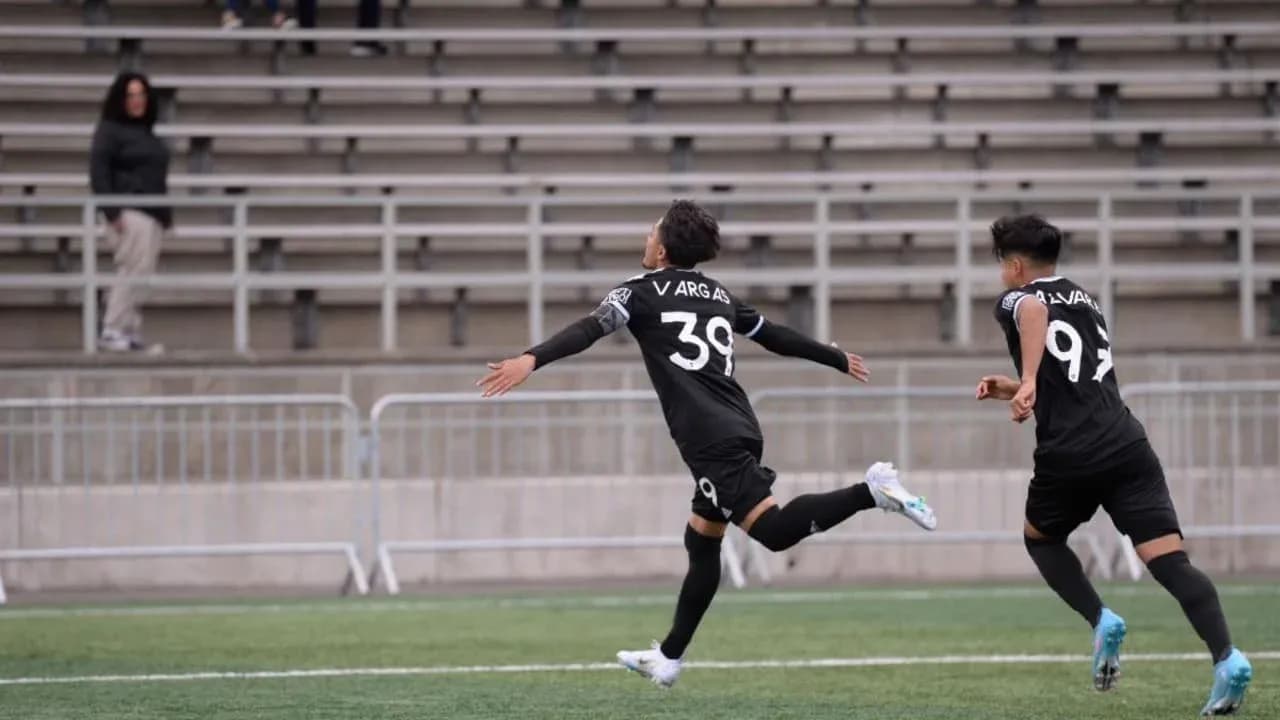
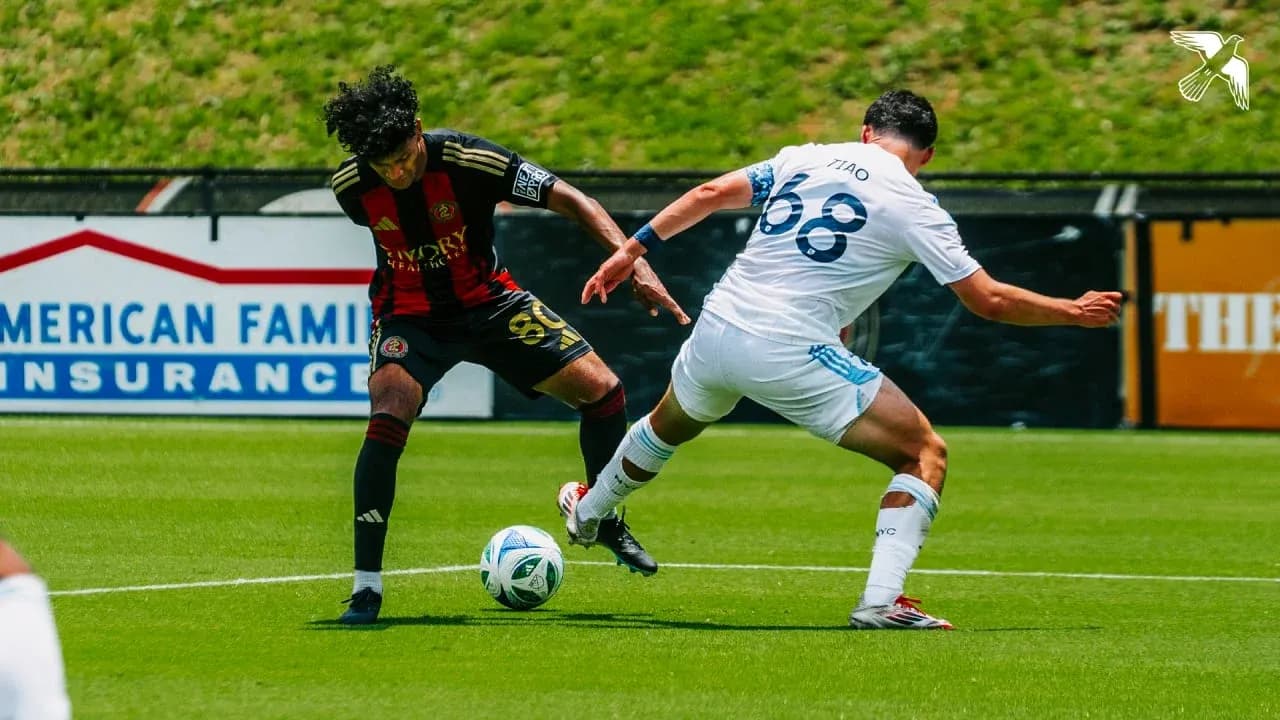
Under the lights at Truist Point, Carolina Core turned what looked like another long night in MLS Next Pro’s Central Division into a statement of resilience. Trailing 0–1 at half-time, they surged back to win 2–1 against Chicago Fire II, a side that arrived with the sharper record and the more convincing underlying numbers.
Following this result, the contrast in seasonal DNA between the two squads remains stark. Carolina Core sit 7th in the Central Division and 15th in the Eastern Conference, with 8 points from 10 matches and a goal difference of -8, built on just 2 wins and 8 defeats overall. At home they have now played 5, winning 2 and losing 3, with 8 goals for and 9 against. Chicago Fire II, by comparison, are 6th in the Central Division and 11th in the Eastern Conference, with 13 points from 10 games and a goal difference of -4, after 5 wins and 5 losses overall. On their travels they have 2 away wins and 3 defeats, scoring 4 and conceding 7.
The season-long metrics underline how surprising this turnaround felt in real time. Overall, Carolina Core average 1.3 goals for per match and 2.3 goals against, while Chicago Fire II sit at 1.4 goals for and 1.6 against. On paper, the visitors were the more balanced unit. Yet over 90 minutes in North Carolina, Donovan Ricketts’ side bent those trends, leaning into their home attacking profile and their trademark second-half surge.
Tactical voids and disciplinary undercurrents
There were no formally listed absentees, so both coaches had close to full decks to play with. For Carolina, that meant a spine built around N. Holliday in goal, a defensive unit anchored by S. Yepes Valle and M. Diakite, and a midfield core of M. Zerkane, R. Aguirre and J. Caiza. Ahead of them, T. Zeegers, A. Sumo, A. Tattevin and T. Raimbault formed an attacking band tasked with overturning the deficit.
Chicago Fire II’s XI, by contrast, was youthful and mobile: J. Nemo between the posts; D. Nigg, C. Cupps, H. Berg and E. Chavez across the back line; a midfield platform of C. Nagle, O. Pineda and D. Hyte; and a fluid front line of R. Turdean, V. Glyut and D. Boltz.
Season-long disciplinary trends shaped the risk profiles. Carolina Core are no strangers to the referee’s notebook: their yellow cards are spread across the game, but there is a pronounced spike between 46–60 minutes at 21.88%, with additional late pressure between 76–90 minutes at 18.75%. Their red-card profile is even more telling: both of their red cards this season have arrived in the 46–60 window, a 100.00% concentration that typically forces tactical recalibration just as the second half begins.
Chicago Fire II, on the other hand, are more controlled but still combative. Their yellow cards cluster in the middle and late phases: 29.41% between 46–60 minutes, and a combined 47.06% between 61–75 and 76–90. That pattern hints at a side that ramps up intensity as matches stretch, often defending leads or chasing games in higher-risk zones. Crucially, they have no red cards recorded, which usually allows their game model to stay intact across 90 minutes.
Key matchups – Hunter vs Shield, Engine Room vs Enforcer
Without individual scoring charts available, the “Hunter vs Shield” battle is best read through the lens of team timing profiles rather than specific names.
For Carolina Core, the attacking “hunter” phase is clear. In total this campaign, 45.45% of their goals have arrived between 46–60 minutes, with another 18.18% between 76–90. That makes the early second half their primary strike window, followed by a late-game push. On their travels Chicago Fire II concede 1.4 goals per away match, but more importantly, across all venues they are most fragile between 46–60 minutes, when 33.33% of their goals against arrive, and again in the closing 0–15 and 76–90 periods, each at 20.00%. The intersection is brutal for the visitors: Carolina’s strongest attacking phase directly overlaps Chicago’s biggest defensive weakness.
In positional terms, that meant players like T. Zeegers and A. Sumo drifting into half-spaces to exploit those transitional minutes, with A. Tattevin and T. Raimbault constantly testing the channels between D. Nigg, C. Cupps and H. Berg. The “shield” of Chicago’s back line, supported by C. Nagle screening in front, struggled to manage the momentum swing once the interval passed.
In the “Engine Room” duel, Carolina’s central trio of M. Zerkane, R. Aguirre and J. Caiza had to outwork and outthink the Chicago axis of O. Pineda, C. Nagle and D. Hyte. Season-long data suggested Chicago’s midfield is efficient in protecting their box early but can be dragged into chaotic exchanges after the break, as shown by their high concession rate between 46–60 minutes. Carolina’s own goals-for profile, with 5 of their 13 total goals in that same window, points to a midfield that comes alive when the game opens up.
Ricketts’ bench also offered different vectors: T. Jackson and C. Lundeen as fresh legs to shore up or stretch midfield, G. Rockhill as a late attacking wildcard, and R. Montenegro or D. John as stabilisers if the game demanded a more conservative block. Chicago’s options – O. Pratt, M. Clark, O. Gonzalez, T. Diawara, D. Villanueva and M. Napoe – were geared towards injecting pace and directness, but the match narrative suggested Carolina managed the second-half flow better, forcing the visitors’ changes to be reactive rather than proactive.
Statistical prognosis and what this result tells us
If we frame this through an xG-style lens, Carolina’s season-long attacking numbers at home – 1.8 goals for per match – already hinted that they could generate enough volume to trouble a Chicago side conceding 1.4 goals per away outing. Chicago’s own 1.2 away goals for suggested they would create, but not necessarily dominate.
The broader defensive solidity picture still favours Chicago over the long run: they concede 1.6 goals per match overall compared to Carolina’s 2.3, and they have produced 2 clean sheets to Carolina’s 0. Yet this match underlined how timing and momentum can bend those averages. Carolina struck in their strongest windows, exploiting Chicago’s known 46–60 vulnerability and late-game openness. The home side’s ability to flip a 0–1 half-time deficit into a 2–1 full-time victory fit almost perfectly with their minute-distribution identity.
Following this result, Carolina Core remain a volatile but dangerous home side: defensively porous, yet capable of explosive second halves that can overturn superior records. Chicago Fire II, meanwhile, leave Truist Point reminded that their structural numbers will not protect them if they cannot close the 46–60-minute leak – the precise zone where Carolina’s “hunter” found its mark.