CAF Crisis: Motsepe's Diplomatic Mission to Senegal
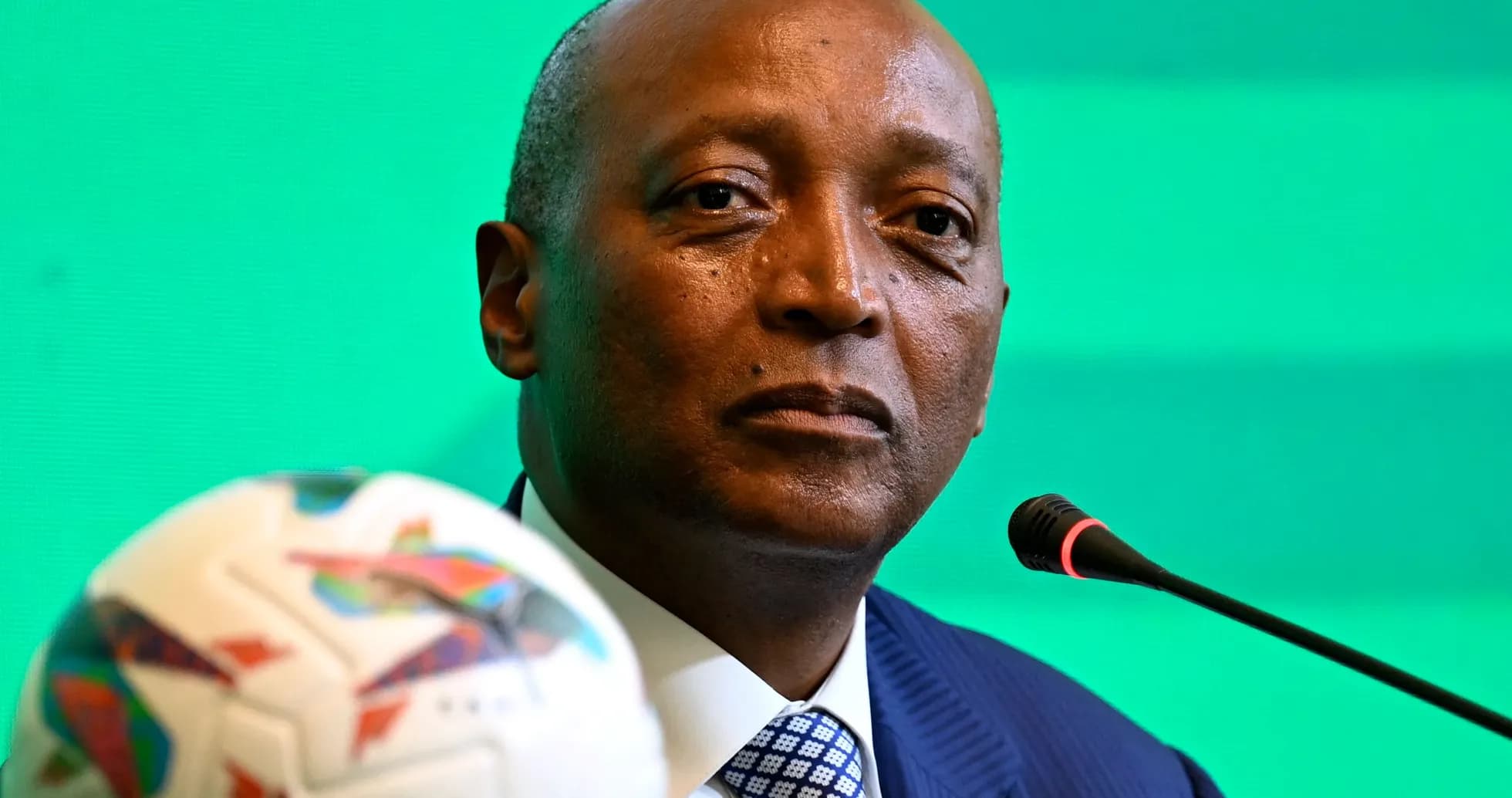
CAF chief Patrice Motsepe is flying into a storm.
The fallout from the 2025 Africa Cup of Nations final has dragged African football into one of the most fraught episodes in its modern history, after the Confederation of African Football’s decision to award the title to Morocco “on paper” ignited fury in Senegal.
A title decided in the boardroom
The final itself never took place. Senegal withdrew, insisting the circumstances around that decision were compelling and could not simply be brushed aside. CAF then moved to hand the trophy to Morocco, a ruling that detonated anger in Dakar and across Senegalese sporting circles, where accusations of unfairness and institutional bias have grown louder by the day.
The reaction has not stayed confined to the terraces or talk shows. Senegal has taken the fight to the Court of Arbitration for Sport (CAS), filing a formal appeal that challenges both the process and the outcome. African football, already accustomed to administrative disputes, now finds itself staring at a full-blown governance crisis.
CAF has tried to cool the temperature with carefully worded statements, stressing balance and unity. The words have done little. Public anger in Senegal has hardened, political voices have joined the chorus, and the issue has moved from a footballing controversy to a national cause.
That is the backdrop against which Motsepe has decided he has to step in himself.
Motsepe heads to Dakar
Media reports in Senegal confirm that the CAF president is due in Dakar within hours on an official mission to defuse the crisis. This is not a routine courtesy call. It is a high-stakes intervention, an attempt to reopen dialogue before legal positions on both sides become entrenched.
According to Senegalese journalist Lassana Camara, Motsepe’s schedule in the capital will be packed. He is expected to meet Abdoulaye Fall, president of the Senegalese Football Federation, and then sit down privately with the country’s head of state, Bassey Diomaye Faye.
The aim is clear: rebuild a minimum level of trust, show that CAF is listening, and try to shape the landscape before CAS proceedings define it for them.
“Land of Teranga” keeps its doors open
Despite the bitterness surrounding the AFCON decision, Senegal’s football leadership has chosen to strike a welcoming tone.
Abdoulaye Fall has publicly declared that Motsepe will be received “with open arms,” leaning on a phrase that carries real cultural weight. Senegal, he reminded the continent, is the “land of Teranga” – a word that embodies hospitality and generosity, and which Senegalese proudly link to their identity.
In a video message addressed directly to Motsepe, Fall underlined that message.
“Senegal is the land of Teranga, and Teranga means welcome. We welcome all Africans here in Senegal,” he said, before stressing that the CAF president would be treated as one of their own. “President Motsepe has decided to come to Senegal. He will be welcomed. We are all Africans and this is his country too.”
The words are conciliatory, but they also frame the stakes. Senegal wants dialogue, not humiliation. Hospitality, not capitulation.
A test of CAF’s authority
Motsepe’s trip is more than a diplomatic courtesy; it is a test of CAF’s credibility at a moment when the governing body’s ability to manage its flagship tournament is under intense scrutiny.
The crisis has already cast a long shadow over the reputation of African football. A continental champion crowned without a ball being kicked in the final is a scenario that cuts to the heart of sporting integrity. Every move from here will shape how players, fans, and governments view CAF’s authority.
In Dakar, Motsepe must convince Senegal that the organisation can still act with unity and responsibility, even after a decision that many there view as a deep injustice. He must also show the wider continent that disputes of this magnitude can be resolved around a table, not only in a courtroom.
How he walks that line in the coming days will say a great deal about where African football is heading – and who truly holds its future in their hands.