Boston Legacy vs Seattle Reign: Tactical Insights from NWSL Clash
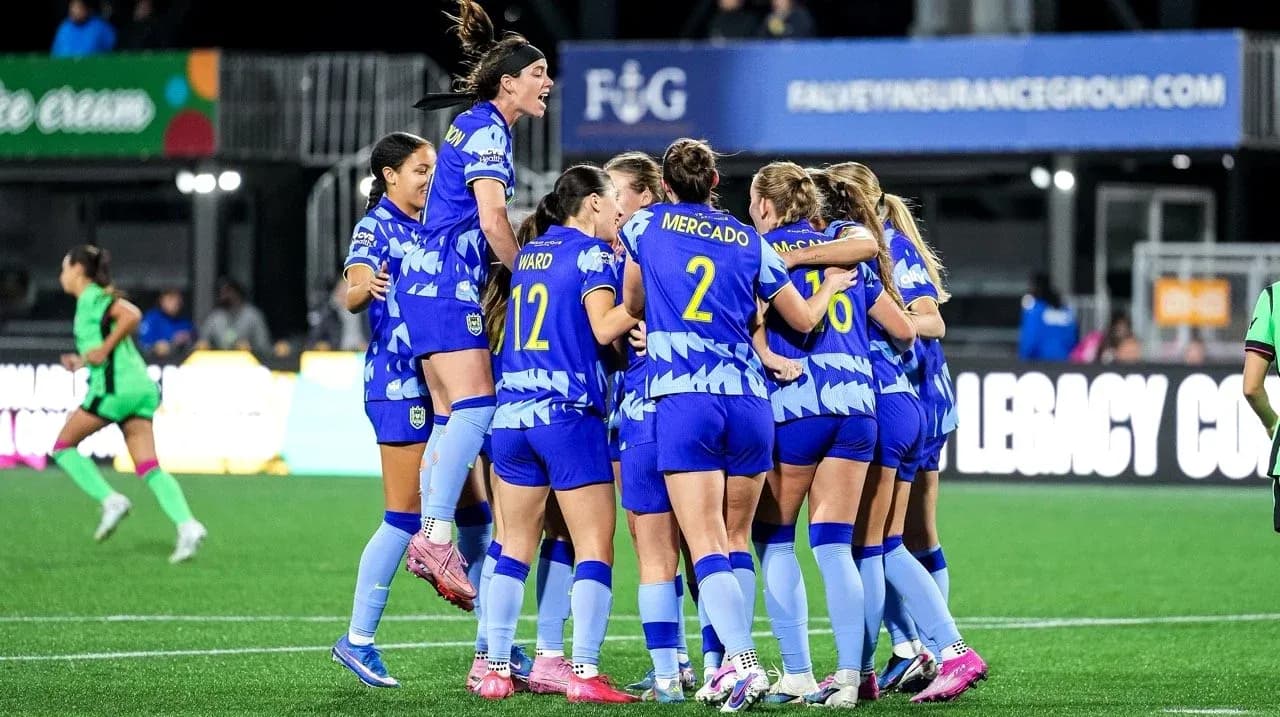
Under the lights at Centreville Bank Stadium, Boston Legacy W’s 2-1 defeat to Seattle Reign FC W felt less like a routine group-stage setback and more like a tactical case study in where these two projects stand in the 2026 NWSL Women season. Following this result, Boston remain anchored in 14th with 9 points and a goal difference of -7 (11 scored, 18 conceded), while Seattle consolidate a steadier mid-table profile in 8th on 14 points, their overall goal difference now -2 (9 for, 11 against before kick-off).
I. The Big Picture: Structures and Seasonal DNA
The lineups told you plenty before a ball was kicked. Boston set up in a 3-5-2, a bold, front-foot structure that tries to mask a fragile defensive record with numbers in midfield. Casey Murphy anchored a back three of Jorelyn Carabalí, Laurel Ansbrow and Emerson Elgin, with a five-strong band across the middle: Nichelle Prince and Samantha Rose Smith as wide outlets, Alba Caño and Annie Karich as the interior engines, and Josefine Hasbo knitting the lines. Up top, Barbara Olivieri and Aissata Traore formed a mobile front pair.
Seattle, by contrast, leaned into continuity: a 4-2-3-1 that has been their default (7 matches in that shape this season). Claudia Dickey started in goal behind a back four of Madison Curry, Jordyn Bugg, Phoebe McClernon and Sofia Huerta. The double pivot of Angharad James-Turner and Ainsley McCammon provided the platform for a fluid three of Holly Ward, Sally Marie Menti and Maddie Dahlien to work behind lone striker Maddie Mercado.
Seasonally, the numbers framed the narrative. Heading into this game, Boston had played 11 league fixtures with just 2 wins and 3 draws. Overall they were scoring 1.0 goals per match and conceding 1.6. At home, the profile sharpened: 9 goals for and 11 against across 7 games, averaging 1.3 scored and 1.6 conceded. There is attacking promise, but it is constantly offset by defensive volatility and the absence of a single clean sheet in total.
Seattle arrived with a more balanced, if unspectacular, profile. Over 10 matches they had 4 wins, 2 draws and 4 defeats, averaging 0.9 goals for and 1.1 against overall. On their travels, they were quietly efficient: 4 goals scored and 4 conceded in 4 away games, a flat 1.0 for and 1.0 against. That away equilibrium—combined with 3 clean sheets in total—hinted at a side comfortable managing tight scorelines.
II. Tactical Voids and Discipline
Injury data offered no explicit absentees, but the season-long disciplinary record sketched out the emotional edges of this Boston side. Across the campaign, their yellow cards cluster between 16-30 minutes and 76-90 minutes, each band accounting for 21.74% of their cautions. They are a team that can get rattled early and frantic late. The red-card profile is even starker: Boston’s two dismissals this season have been split between 31-45 minutes and 76-90 minutes, each period representing 50.00% of their reds.
Individuals embody that edge. Aissata Traore, Boston’s leading scorer with 3 goals and 1 assist, also tops their yellow card charts with 3 bookings. Annie Karich and Carabalí match her with 3 yellows apiece, while Bianca St.Georges has already seen red. This is a spine that plays on the line, and in a 3-5-2 that already exposes defenders in transition, any lapse in discipline threatens the structure.
Seattle’s card distribution is more controlled but not without late-game risk. Their yellows spike in the 76-90 and 91-105 minute ranges, each accounting for 25.00% of their cautions. They tend to finish matches on the edge, even if they have avoided red cards entirely so far.
III. Key Matchups: Hunter vs Shield, Engine Room vs Enforcer
The “Hunter vs Shield” duel centred on Traore against a Seattle defence that, heading into this match, conceded just 1.0 goals per game on their travels. Traore’s season profile—3 goals from 19 shots, 9 on target, plus 9 key passes—underlines her dual threat as finisher and creator. She had drawn 23 fouls and committed 15, constantly testing defenders in duels (96 contested, 45 won).
Against her, the Reign back line is built on collective timing rather than individual stardom. Their goals-against minute distribution shows a vulnerability late: 27.27% of their conceded goals arrive between 76-90 minutes. That dovetailed dangerously with Boston’s own attacking pattern: 36.36% of Legacy’s goals come in that same 76-90 band, with another 27.27% between 61-75. This is a side that comes alive after the hour mark. The late Boston goal in a 2-1 defeat felt almost pre-written by those numbers.
In midfield, the “Engine Room” battle was defined by Karich and Caño against James-Turner and McCammon. Karich has been Boston’s metronome: 922 minutes, 548 passes at 84% accuracy, 10 key passes and 28 tackles, plus 2 blocked shots and 12 interceptions. She is both architect and first presser. Caño adds bite and verticality—2 goals, 12 key passes, 32 tackles, and 45 duels won from 83—while also carrying a disciplinary load with 2 yellows.
Seattle’s double pivot is less statistically detailed in the provided data, but structurally, the 4-2-3-1 is designed to crowd the central lanes where Karich usually thrives. With Ward, Menti and Dahlien dropping in, Boston’s interior trio often found themselves outnumbered in early build-up, forcing longer passes into Traore and Olivieri and inviting Seattle to press second balls.
IV. Statistical Prognosis and xG-Style Verdict
Strip away the emotion of a 2-1 home defeat and the underlying trends remain consistent. Boston are still a late-surging, high-risk side: they average 1.3 goals for and 1.6 against at home, score 63.63% of their goals after the 60th minute, and concede 38.89% of their goals between 46-60 minutes. That “third-quarter” window—right after half-time—is where games slip away from them, and this match followed that season-long script: early concession, chase mode, late response.
Seattle, by contrast, continue to look like a low-margin, structurally sound unit. Their away averages of 1.0 goals for and 1.0 against, combined with a goals-against distribution that only really spikes late, suggest a side comfortable operating in the 1.0–1.5 xG band both for and against. They rarely blow teams away, but they rarely collapse either.
An xG-style reading of these profiles would tilt narrowly toward Seattle in fixtures like this: Boston’s attacking volume and late surges generate chances, but their inability to keep clean sheets in total and their susceptibility just after the interval drag their expected points down. Seattle’s compact 4-2-3-1, their 3 clean sheets, and their balanced away record mean that when the game state tightens, they are more likely to make the decisive moment count.
Following this result, the story of both squads remains coherent: Boston are a volatile, emotionally charged side leaning heavily on Traore, Karich and Caño to drag them into contests late, while Seattle are a disciplined, structurally mature outfit who trust their 4-2-3-1 to keep matches in a narrow band where one or two key actions—like the ones that delivered a 2-1 away win—are enough.