Borussia Dortmund vs Atalanta: Tactical Showdown in Champions League
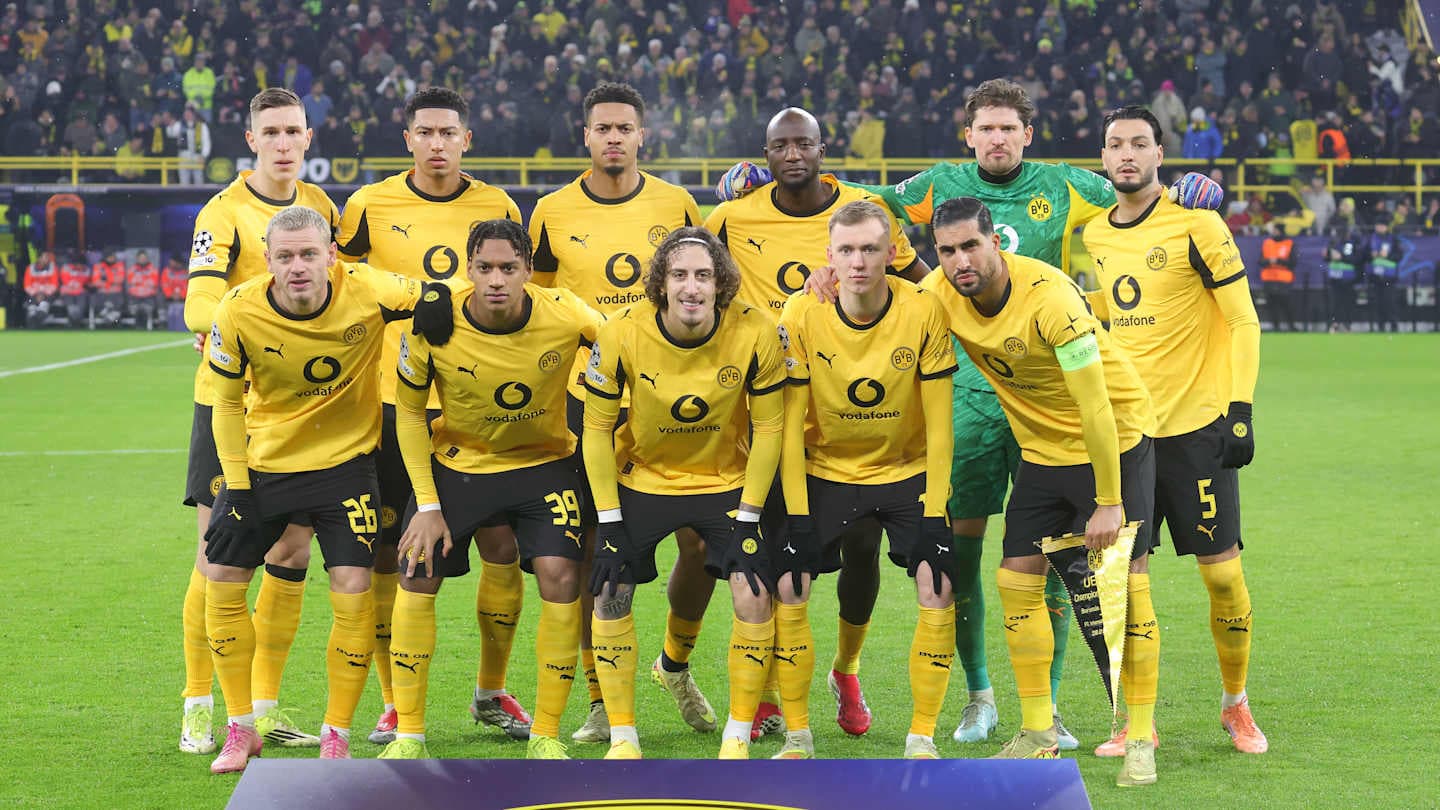
The yellow wall is ready, the Champions League anthem will echo around Signal Iduna Park, and two of Europe’s most intriguing, attack-minded sides are about to collide. Borussia Dortmund host Atalanta in a Round of 32 showdown that feels finely poised before a ball has even been kicked. The standings paint the picture of a tight, nervy tie rather than a runaway contest: Atalanta arrive slightly better placed in the overall Champions League table with 13 points and a neutral goal difference, while Dortmund sit just behind on 11 points but with more goals scored and conceded.
Both sides come into this phase with contrasting moods. Dortmund’s recent continental form reads “LLDWL”, a worrying run that hints at inconsistency and late collapses. Atalanta, by contrast, have surged through their campaign with “LLWWW” across their latest games, three wins in their last three Champions League outings lifting confidence and underlining their resilience. Add in the electric atmosphere of Dortmund’s home, and this encounter promises to be a tense, tactical, and emotionally charged European night.
Form Guide & Season Trends
Dortmund’s Champions League campaign has been a rollercoaster. They have scored 19 goals in just eight matches, averaging 2.4 per game – one of the most potent attacks left at this stage. At home, they have been particularly dangerous, netting 10 times in four games at an average of 2.5 goals, and their biggest home win, a 4–0 triumph, underlines how ruthless they can be when they click in front of their own fans. Signal Iduna Park has not been an impenetrable fortress, but with two wins, one draw and only one defeat at home, it remains a daunting place to visit.
The problem for Dortmund is balance. They have conceded 17 goals overall, with 12 of those coming away, but even at home they allow 1.3 per game. Their defensive numbers reveal a worrying trend late in matches: 37.5% of their goals conceded arrive between the 76th and 90th minute. That vulnerability in the closing stages could be crucial in a tight two-legged tie.
Atalanta, by contrast, have built their progress on a more controlled, pragmatic approach. They have scored 10 goals in eight games – just 1.3 per match – but have conceded only 10 as well, giving them a much more solid overall profile. On the road, they are unpredictable but dangerous: two wins and two defeats, scoring four and conceding five. They may not blow teams away, yet their three clean sheets in the competition, including two away from home, show they can shut games down when needed.
Where Dortmund’s matches tend to be open – with four of their eight games going over 2.5 goals – Atalanta’s are tighter. Only one of their eight Champions League outings has gone over 2.5, suggesting that when they impose their style, the tempo drops and margins become razor-thin. This clash of Dortmund’s attacking volatility against Atalanta’s controlled edge is likely to define the tie.
Head-to-Head History
There is recent European history between these two, and it will still sting for Atalanta. The sides last met in the 2017–18 UEFA Europa League Round of 32, and Dortmund edged a thrilling tie over two legs. At Signal Iduna Park, Dortmund prevailed 3–2 in a breathless, end-to-end contest that showcased both teams’ attacking instincts and defensive frailties. A week later in Italy, Atalanta led 1–0 at half-time and seemed on course for a famous win, only for Dortmund to snatch a 1–1 draw and progress.
Across those two meetings, Dortmund remained unbeaten – a win and a draw – and scored four goals to Atalanta’s three. Crucially, both games were high-scoring and dramatic, with late twists and no shortage of chances. That mini-history suggests that whenever these sides meet, the match rarely follows a cautious script. Atalanta will be motivated by the chance to avenge that narrow elimination, while Dortmund will draw confidence from knowing they have previously found a way past the Italians in knockout European football.
Team News & Key Men
Both managers have selection puzzles to solve. Dortmund will be without P. Drewes, listed as inactive, and more notably F. Mane, sidelined with a thigh injury. While Drewes’ absence is unlikely to reshape the tactical plan, losing Mane removes a dynamic, high-intensity option in the attacking and transitional phases – exactly the kind of player who thrives in the chaos of big European nights. Dortmund’s depth in forward areas will now be tested, and others will need to shoulder the creative and goalscoring burden.
For Atalanta, the headline absentee is C. De Ketelaere, out with a knee injury. His versatility between the lines and ability to knit midfield and attack together make him a key piece in Gian Piero Gasperini’s intricate attacking patterns. Without him, Atalanta may lean more on structured wing-backs and central combinations rather than a roaming playmaker.
What we do know from the numbers is that Dortmund’s goals are spread across the team; they have found the net in six of their eight Champions League matches and failed to score only twice. Atalanta, meanwhile, have failed to score three times but are capable of explosive bursts late in games, with 70% of their goals coming after the break and 40% in the final quarter-hour of normal time. Whoever steps up as the decisive figure – a poacher in the box or a late-arriving midfielder – is likely to do so in the second half.
The Verdict
This has all the ingredients of a finely balanced European tie. Dortmund’s attacking verve and the energy of Signal Iduna Park suggest they will look to seize the initiative, especially given their strong home scoring record. Atalanta, more compact and disciplined, will be content to absorb pressure, slow the tempo, and strike in the later stages where Dortmund have shown fragility.
Expect Dortmund to create more and play on the front foot, with Atalanta dangerous on transitions and set pieces. Over 90 minutes, a narrow Dortmund win – perhaps by a single goal in another tense, high-drama encounter – looks the most likely outcome, leaving everything still to play for in the return leg.