Bayern Munich's Tactical Battle for the No. 10 Spot
Serge Gnabry’s summer of 2025 told a story nobody at Bayern Munich quite expected. He turned 30 on 14 July, walked back into a club that had quietly weighed up selling him in previous years – and left pre-season as a nailed-on starter in Vincent Kompany’s best XI.
It wasn’t just a renaissance. It was necessity.
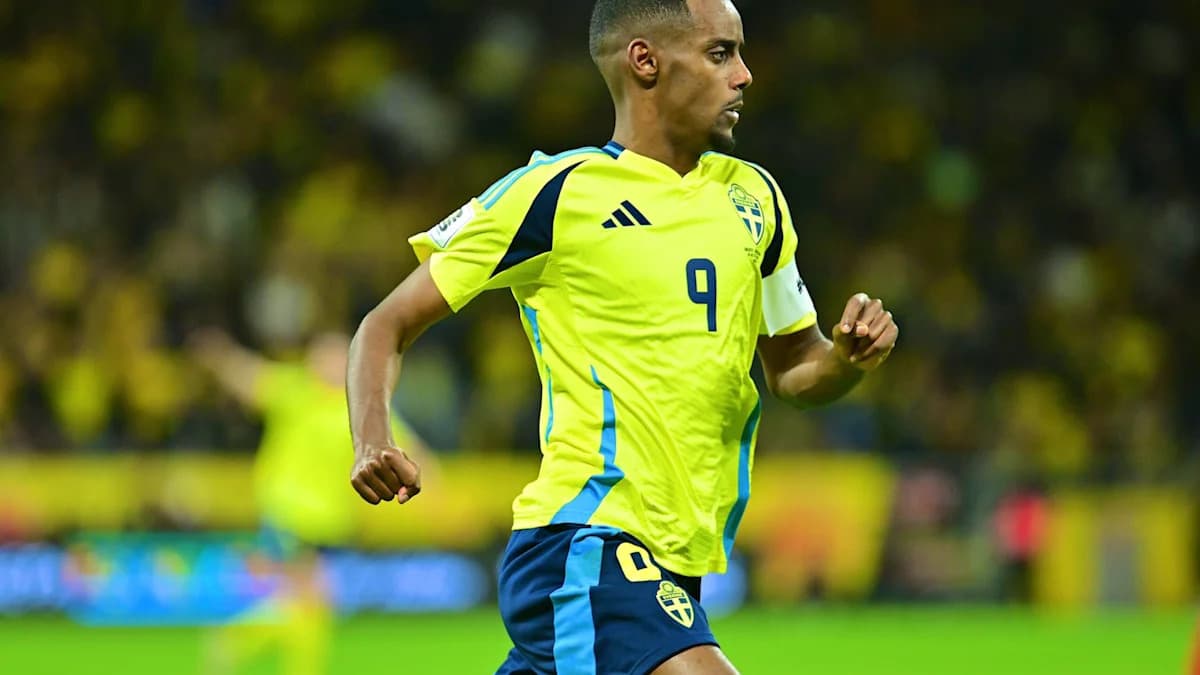
With Harry Kane, Michael Olise and Luis Diaz locked in as the three attacking certainties, Kompany’s 4-2-3-1 left a single vacancy in the line of four. The No. 10. The creative hinge between midfield and that superstar front line.
And for months, that job was essentially reserved for Gnabry.
Jamal Musiala was still sidelined long term after his fibula fracture. Lennart Karl was clearly gifted but still filed under “one for the future.” Nicolas Jackson didn’t even walk through the door until Deadline Day at the start of September and needed time just to find his bearings.
By the time Bayern hit the decisive stretch of the season, the choice was stark: Gnabry or nothing. Kompany trusted him in most of the biggest fixtures. Karl grew into a serious challenger, Jackson received chances he rarely converted, and Musiala finally reappeared in January. But the reshuffle came too late to change the story of Gnabry’s year. He had already reclaimed his place.
Now that place is under threat again.
Musiala’s Fight on Two Fronts
The landscape in Munich’s attack has shifted. Kane, Olise and Diaz are immovable. The fourth slot is anything but.
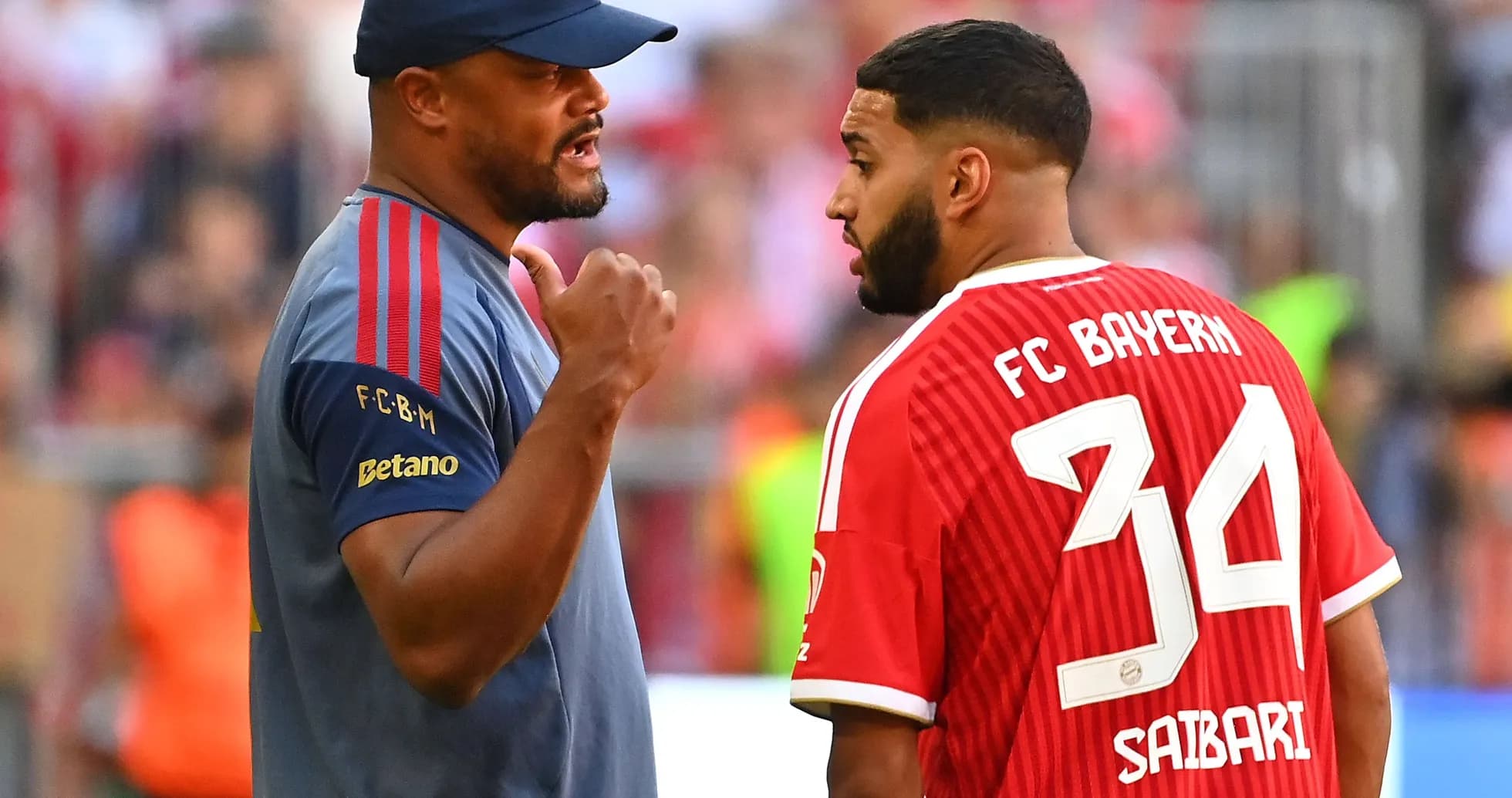
Musiala, Gnabry, Karl and €50 million signing Ismael Saibari are all pushing for the role. The calendar is brutal, the fixtures relentless. Kompany will have to rotate. But when Bayern walk out for the biggest nights, nobody can yet say who will stand behind Kane.
Musiala was supposed to be the obvious answer. He wears the No. 10. He is one of the club’s top earners. He was positioned as the new face of Bayern, the player to build a generation around.
Right now, he is nowhere near that status.
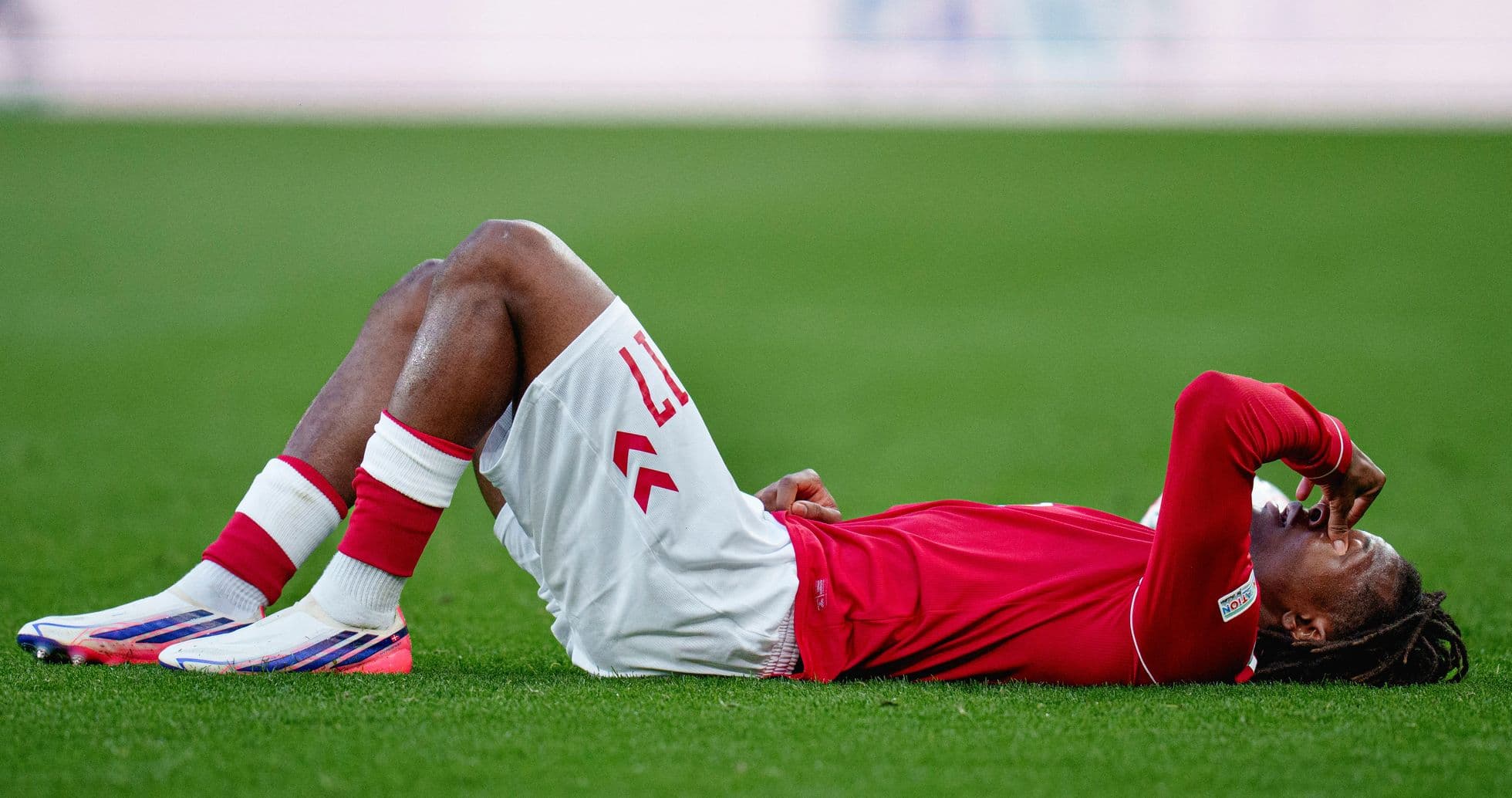
Since returning in January, Musiala has not rediscovered his previous level. After a disappointing World Cup, he had a metal plate removed from his foot. Then came the alarming scenes in pre-season: collapses in friendlies against RB Leipzig and 1. FC Heidenheim that raised real doubts about whether the 23-year-old can withstand the strain at the very top.
The diagnosis is absence epilepsy. According to neurologist Dr Regina Becker, speaking to SPOX, professional football remains entirely possible with the condition. That medical green light has framed Musiala’s response.
He has no intention of stepping away.
In a widely discussed Instagram statement, he wrote that, in close and regular consultation with experts, it is his personal wish to face the challenge and, with clearance from neurological specialists, to continue living his everyday life and pursue his passion for football. For now, he wants to play through it, not pause it.
Saibari Steps In With a Head Start
While Musiala confronts a complex battle on and off the pitch, two of his direct rivals have been fighting their own physical setbacks.
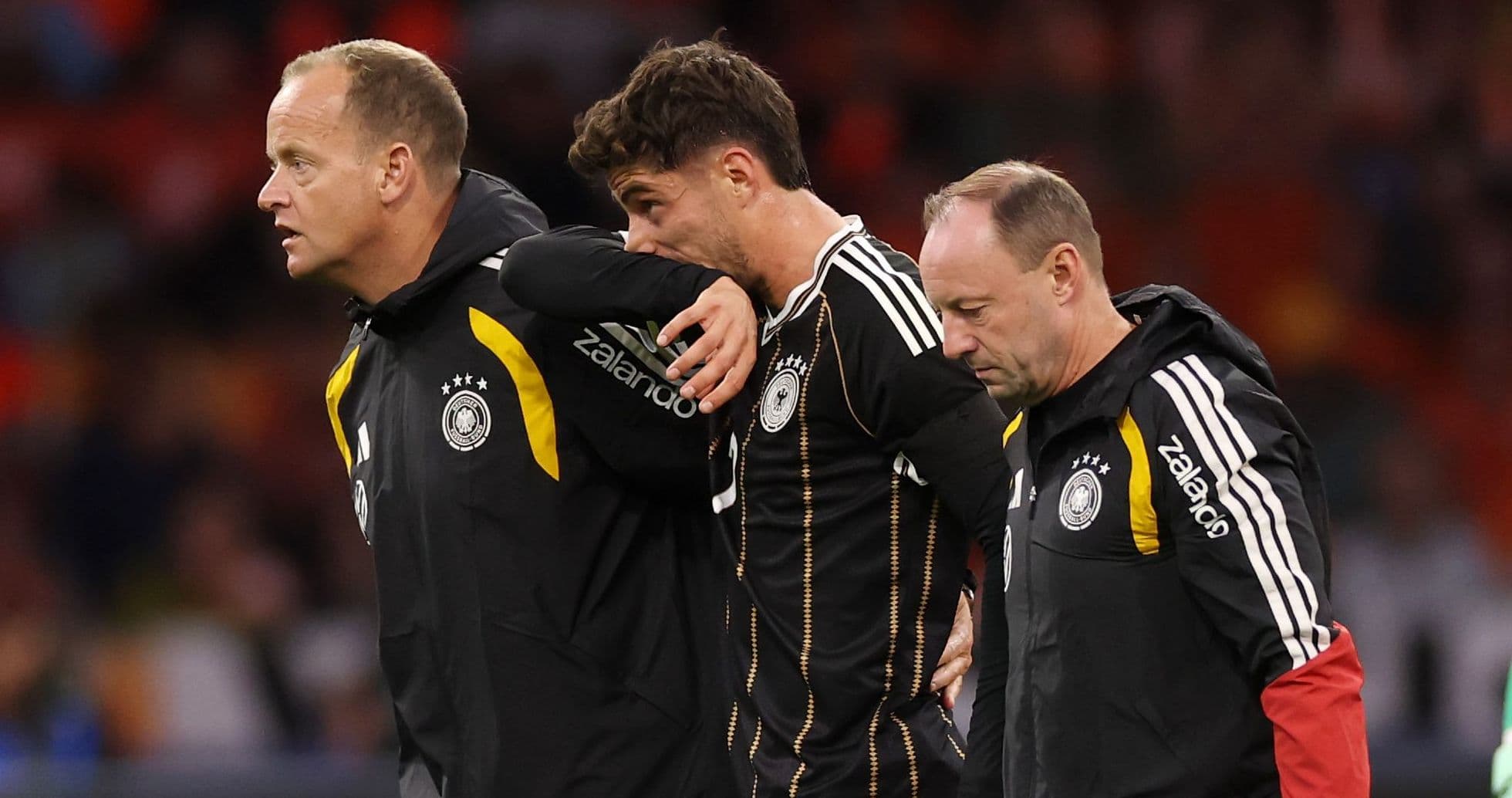
Gnabry, now 31, and 18-year-old Karl both missed the World Cup with muscle injuries. Their summers were quieter, spent largely on individual rehab programmes, slowly building back towards full involvement. They are being eased into team training again and could reappear as early as the Super Cup against Borussia Dortmund on Saturday. If not then, they are expected to be back in the frame by the Bundesliga opener against VfB Stuttgart the following Friday at the latest.
Saibari, though, has stolen an early march.
The Moroccan international arrived on the back of an eye-catching World Cup, then promptly had to sit out himself with a torn muscle fibre. That delay has now passed. At 25, he looks sharp, fully fit, and has already made his presence felt in pre-season. In the 3-1 win over Leipzig, he supplied an assist and generally looked at ease in Bayern colours.
Right now, that matters more than reputation. Compared with Musiala, Gnabry and Karl, Saibari is the fittest, the most rhythmically in tune with the demands of the moment. He goes into the opening weeks of the season with a clear advantage in the race for that vacant attacking berth.
Young Faces, Longer Odds
While the established names were missing, others seized the stage.
Loan returnee Arijon Ibrahimovic, 20, and academy products Tim Binder, 19, and Maycon Cardozo, 17, all used pre-season to stake a claim. Their performances did not go unnoticed. Each of them, in flashes, showed they could follow the path Karl took a year ago, jumping from promising prospect to genuine option.
This time, though, the route looks far steeper. Bayern’s squad is deeper, the competition more experienced, the margin for youthful mistakes slimmer. A Karl-style breakthrough cannot be ruled out, but the odds are longer.
So Kompany stands on the brink of a new campaign with an enviable problem. One slot. Four serious contenders. A trio of youngsters waiting behind them.
Last season, Bayern stumbled into a solution and Gnabry thrived. This year, the decision will be deliberate. Who gets the keys to the No. 10 in Munich when the season’s defining nights arrive?