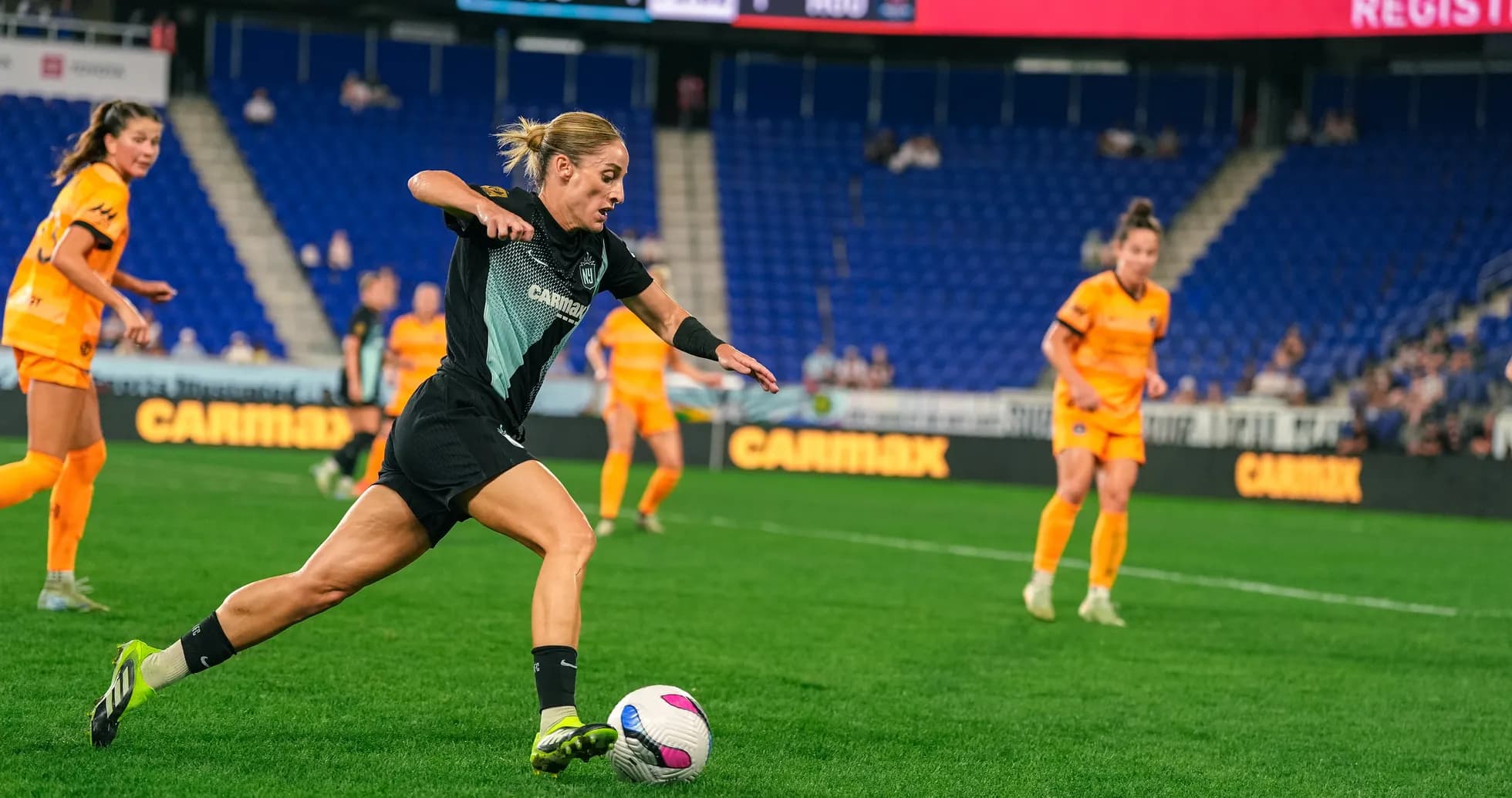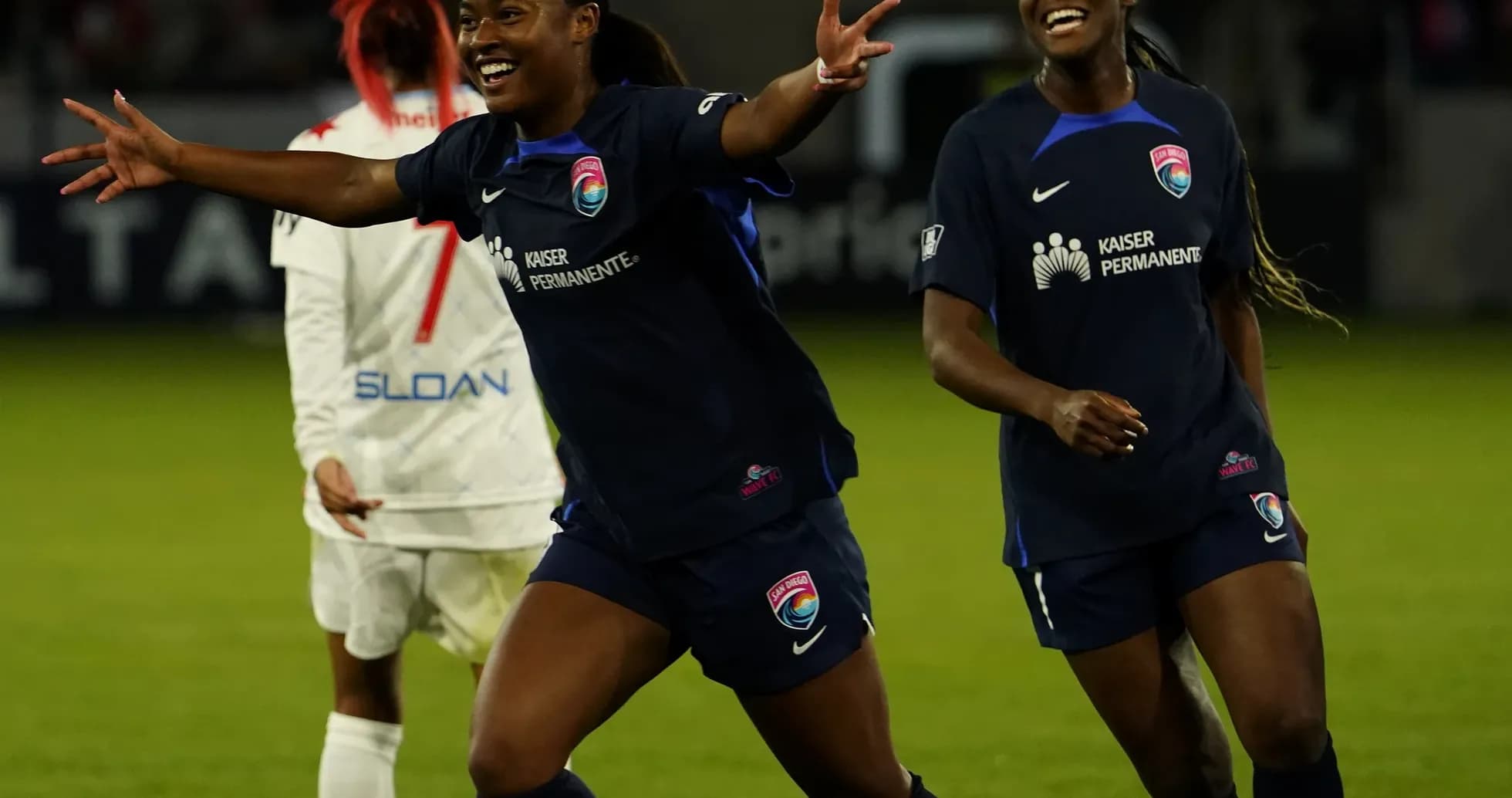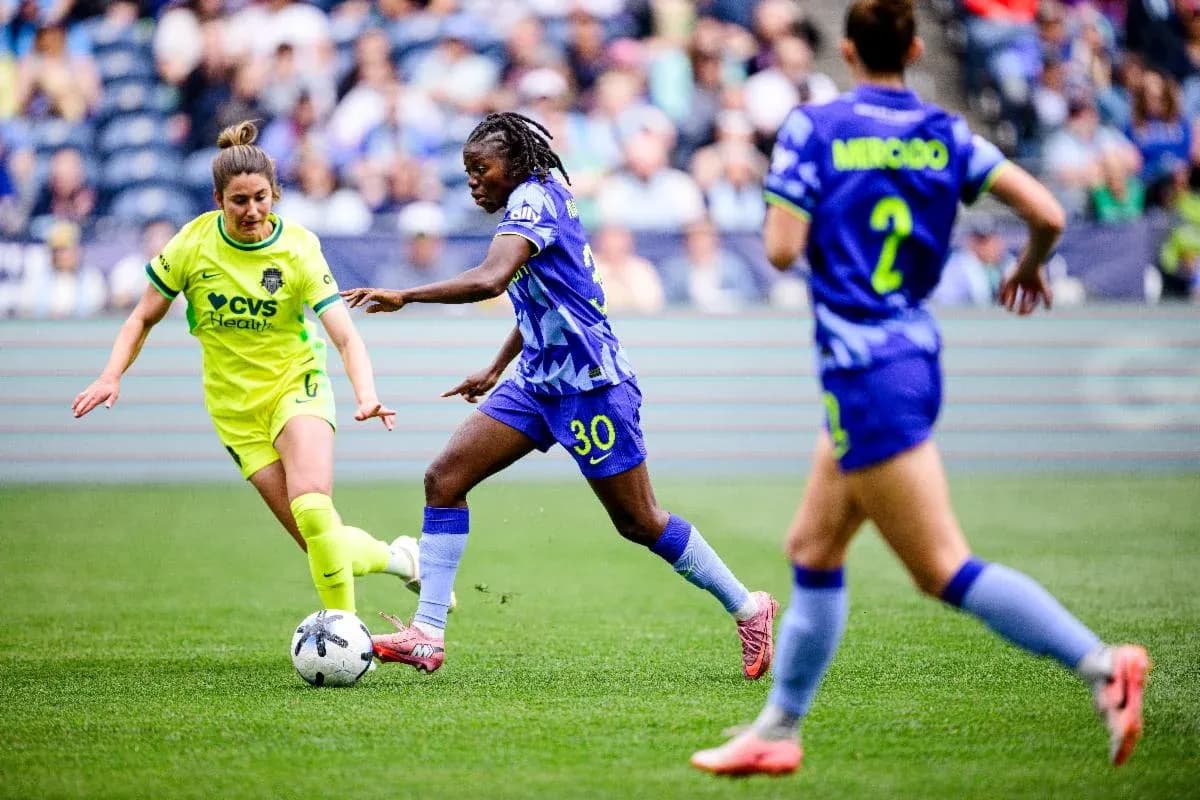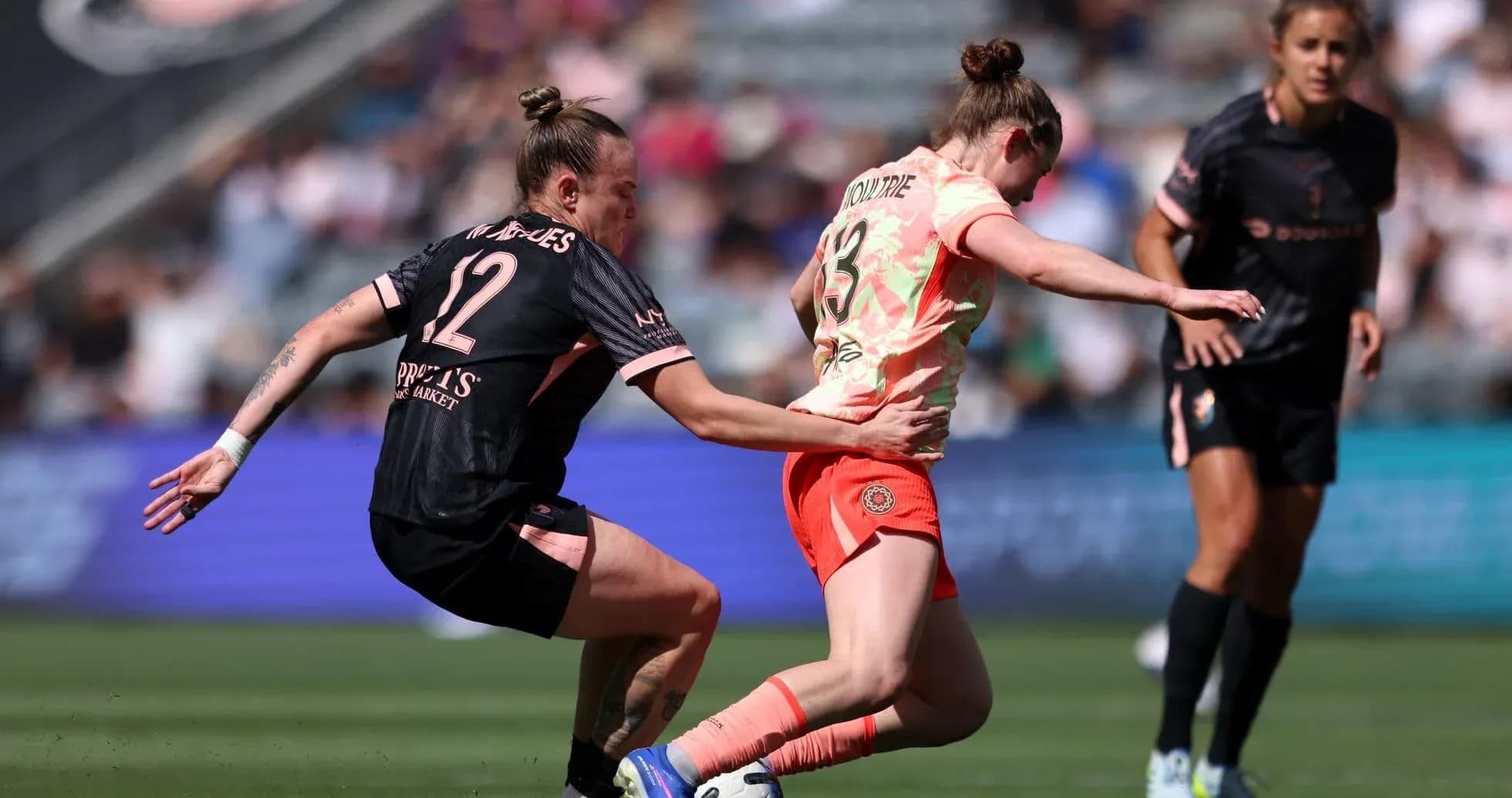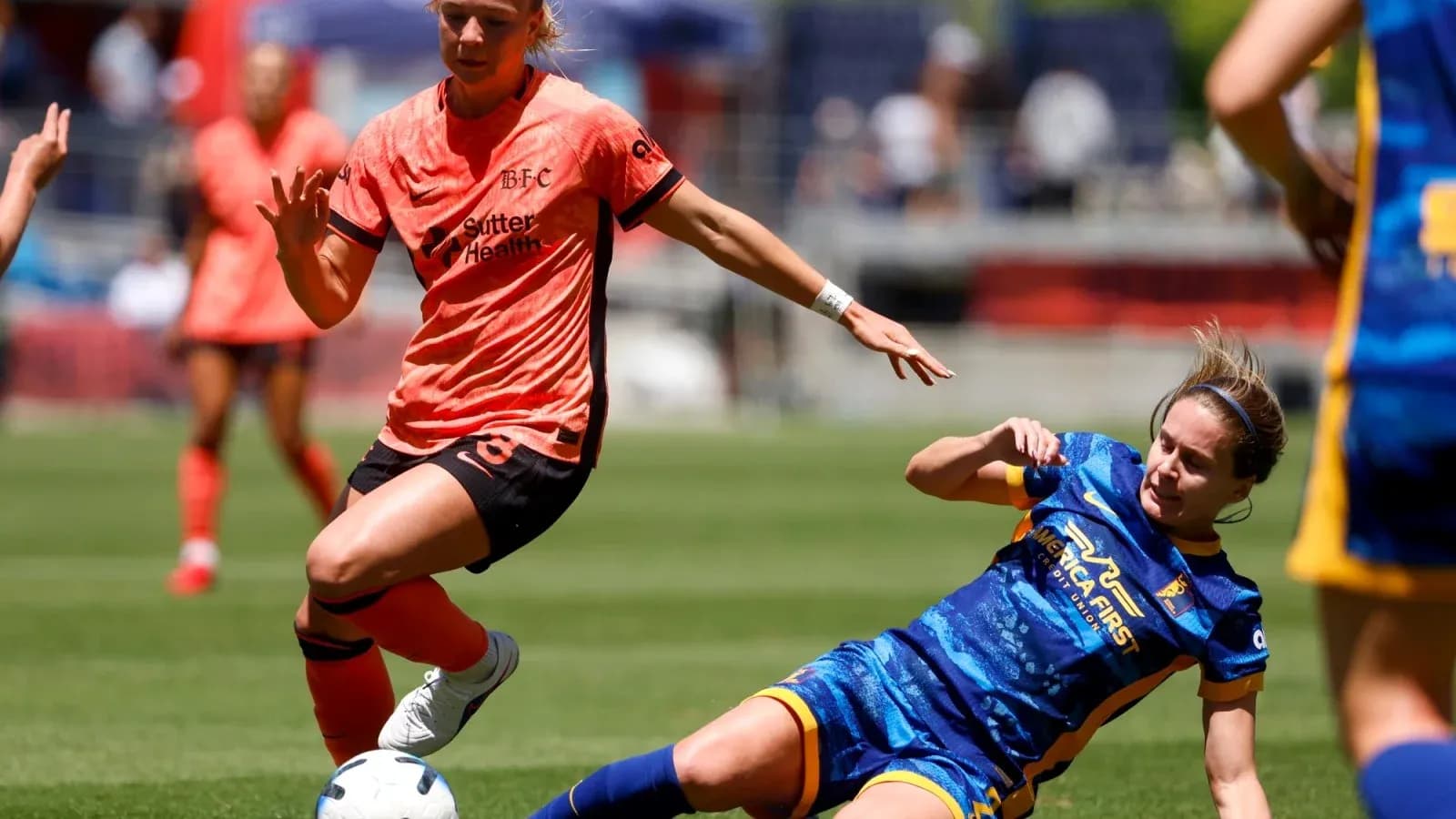
Bay FC vs Utah Royals W: A Tactical Stalemate
Under the San Jose lights at PayPal Park, Bay FC and Utah Royals W played out a goalless stalemate that said far more about structure, discipline and evolving identities than the 0-0 scoreline suggested. In a NWSL Women group-stage clash between a side clinging to mid-table relevance and another pushing towards the league’s upper tier, this felt like a meeting of two projects at different stages of maturity.
Heading into this game, Bay FC sat 10th with 10 points, their overall goal difference at -3 from 7 goals for and 10 against. Utah arrived in California as one of the early-season standard-bearers: 4th in the table with 17 points, a positive overall goal difference of 6, built on 12 goals scored and only 6 conceded. On their travels, Utah had been quietly ruthless, winning 3 of 6 away fixtures, scoring 8 and conceding just 4. Bay, by contrast, had been fragile at home, with only 1 win in 4, 3 goals scored and 6 conceded.
I. The Big Picture: Mirrored Shapes, Different Intent
Both coaches leaned into familiarity, each side rolling out a 4-2-3-1. Emma Coates stayed loyal to Bay’s season-long template — the club has used this shape in all 7 league fixtures so far — while Jimmy Coenraets returned to his preferred system after experimenting with a 4-3-3 earlier in the campaign.
For Bay, J. Silkowitz anchored the back line behind a defensive quartet of S. Collins, A. Cometti, J. Anderson and A. Denton. In front of them, the double pivot of H. Bebar and C. Hutton was tasked with threading the needle between protection and progression. Higher up, the trio of T. Huff, D. Bailey and the explosive R. Kundananji supported lone forward K. Lema.
Utah mirrored the structure: M. McGlynn in goal, shielded by a back four of J. Thomsen, K. Del Fava, K. Riehl and N. Rabano. In midfield, A. Tejada Jimenez and N. Miura formed the base, with C. Delzer, Minami Tanaka and C. Lacasse operating behind striker K. Palacios.
On paper, it was symmetry. On the pitch, it was a tension between Utah’s methodical control and Bay’s more transitional, vertical instincts.
II. Tactical Voids and Discipline: Edges Sanded Down
There were no listed absentees, so this was as close to full-strength as either coach could hope for. Yet the real “void” was emotional rather than personnel-based: Bay’s season-long disciplinary profile has forced them to play on a tightrope.
Heading into this game, Bay’s yellow-card timing told a story of late-game strain. A striking 23.53% of their yellows had come between 76-90 minutes, and another 23.53% in added time from 91-105 minutes. That pattern reflects a team that often ends matches under siege, scrambling to hold on. The presence of C. Hutton — already on 3 yellows this season — and the combative T. Huff, who has collected both a yellow and a yellow-red, meant Bay’s midfield had to walk the line between aggression and recklessness.
Utah’s card map was more evenly spread but revealed its own pressure points. Their peak yellow window was 61-75 minutes at 27.78%, with another 22.22% between 46-60. This suggests a side that ramps up intensity early in the second half, occasionally spilling over. They also carry the shadow of late-game jeopardy: their only red card this season has arrived between 76-90 minutes.
In a match that finished 0-0, both sides managed those tendencies well. The narrative became one of defensive maturity rather than chaotic late drama.
III. Key Matchups
Hunter vs Shield: C. Lacasse vs Bay’s Back Four C. Lacasse came into the night as one of the league’s most complete wide forwards: 3 goals and 2 assists overall, with 8 shots (6 on target), 20 key passes and 22 tackles, plus 1 blocked shot. She is Utah’s attacking compass and their first presser.
Against a Bay defense that had conceded 6 goals at home and allowed 1.5 goals against on average at PayPal Park, Lacasse was expected to be the primary threat. Yet the quartet of Denton, Anderson, Cometti and Collins held firm, compressing space and forcing her into wider, less dangerous zones. Bay’s season-long record — only 2 clean sheets overall before this fixture — made this shutout particularly significant. Containing a player with Lacasse’s dual scoring and creative output was a quiet victory.
The Engine Room: Minami Tanaka vs C. Hutton and H. Bebar If Lacasse is Utah’s edge, Minami Tanaka is their metronome. With 1 goal and 3 assists overall, 176 passes at 70% accuracy and 7 key passes, she arrived as the league’s top assist provider. She also brings bite: 5 tackles, 1 blocked shot and 5 interceptions show she is as much an enforcer as a creator.
Opposite her, Bay leaned on C. Hutton’s all-action profile. Across the season, Hutton has completed 262 passes at 75% accuracy, with 18 tackles, 2 blocked shots and 14 interceptions, plus 80 duels contested and 43 won. Her job was to disrupt Utah’s rhythm, especially in that dangerous 46-75 minute window where Utah’s yellow-card surge reflects their most aggressive pressing and tempo.
The battle was nuanced rather than spectacular. Tanaka still found pockets between the lines, but Hutton’s positional discipline and Bebar’s support closed central lanes, forcing Utah to circulate wide and slowing their usual vertical bursts. For Bay, that control in the middle third was the platform for a rare home clean sheet.
IV. Statistical Prognosis and xG Echoes
Heading into this game, the numbers painted a clear contrast. Utah’s overall attacking average stood at 1.3 goals per match both home and away, backed by a stingy 0.7 goals against. Bay, meanwhile, averaged 1.0 goals for overall, but only 0.8 at home, while conceding 1.5 per home game. On their travels, Utah had scored 8 and conceded 4; Bay at home had scored 3 and conceded 6.
If we map those trends into an Expected Goals lens, Utah’s season-long profile suggests they typically generate the higher xG in their fixtures, especially away, where their balance of 8 scored and 4 conceded hints at both chance creation and control. Bay’s frequent failures to score — 3 matches overall without a goal before this — implied a lower attacking xG baseline, particularly at PayPal Park.
And yet, the 0-0 here felt less like an anomaly and more like an inflection point. Utah’s defensive solidity held as expected, extending a season defined by clean sheets (5 overall heading in). But Bay’s resistance — against one of the league’s more efficient attacks — hinted at a recalibration of their own defensive xG against, especially at home.
Following this result, the story is of a Utah side whose promotion push remains on track, but also of a Bay FC team that may have quietly found a more resilient defensive identity. The scoreline was empty; the tactical ledger was anything but.