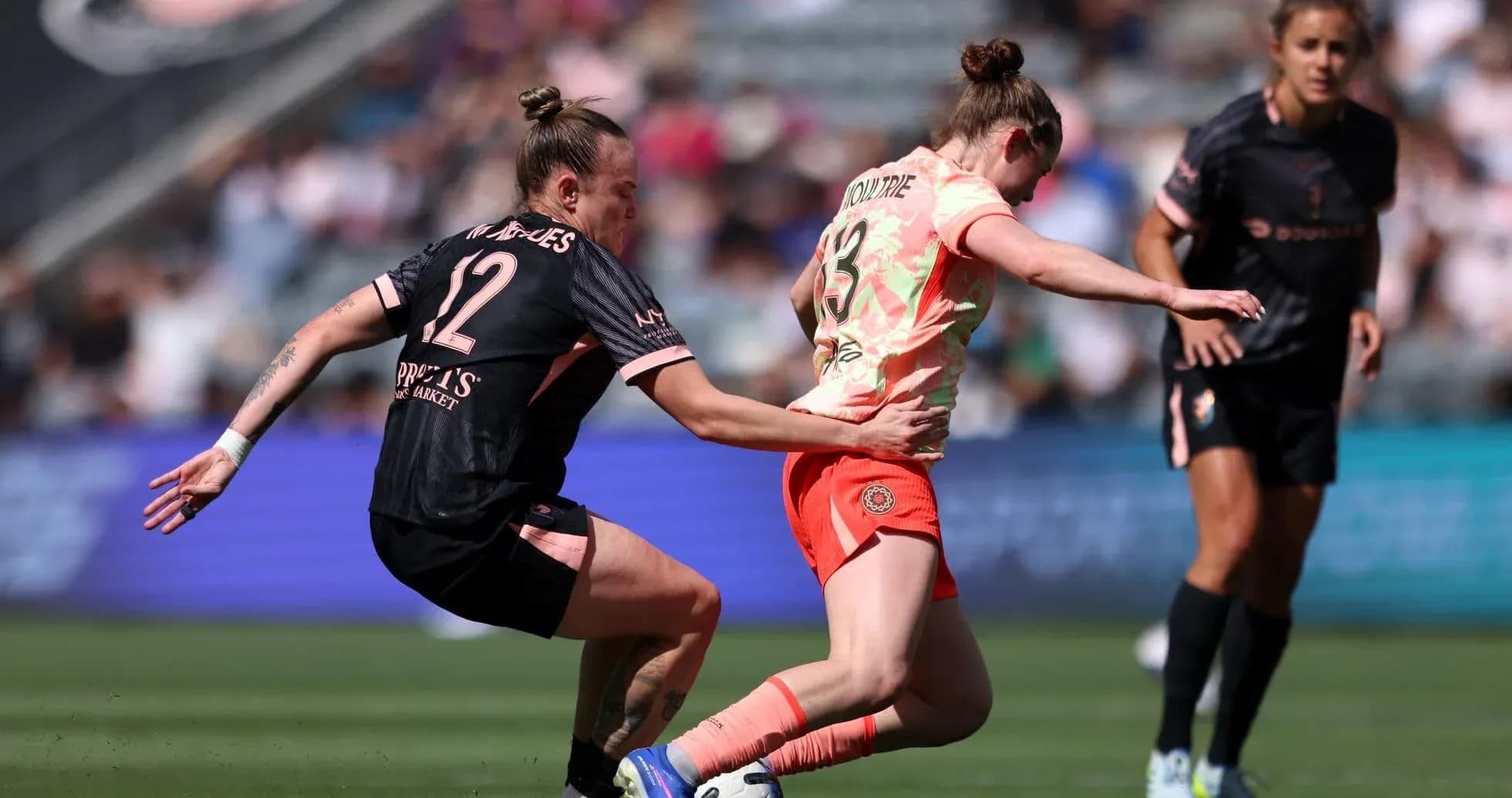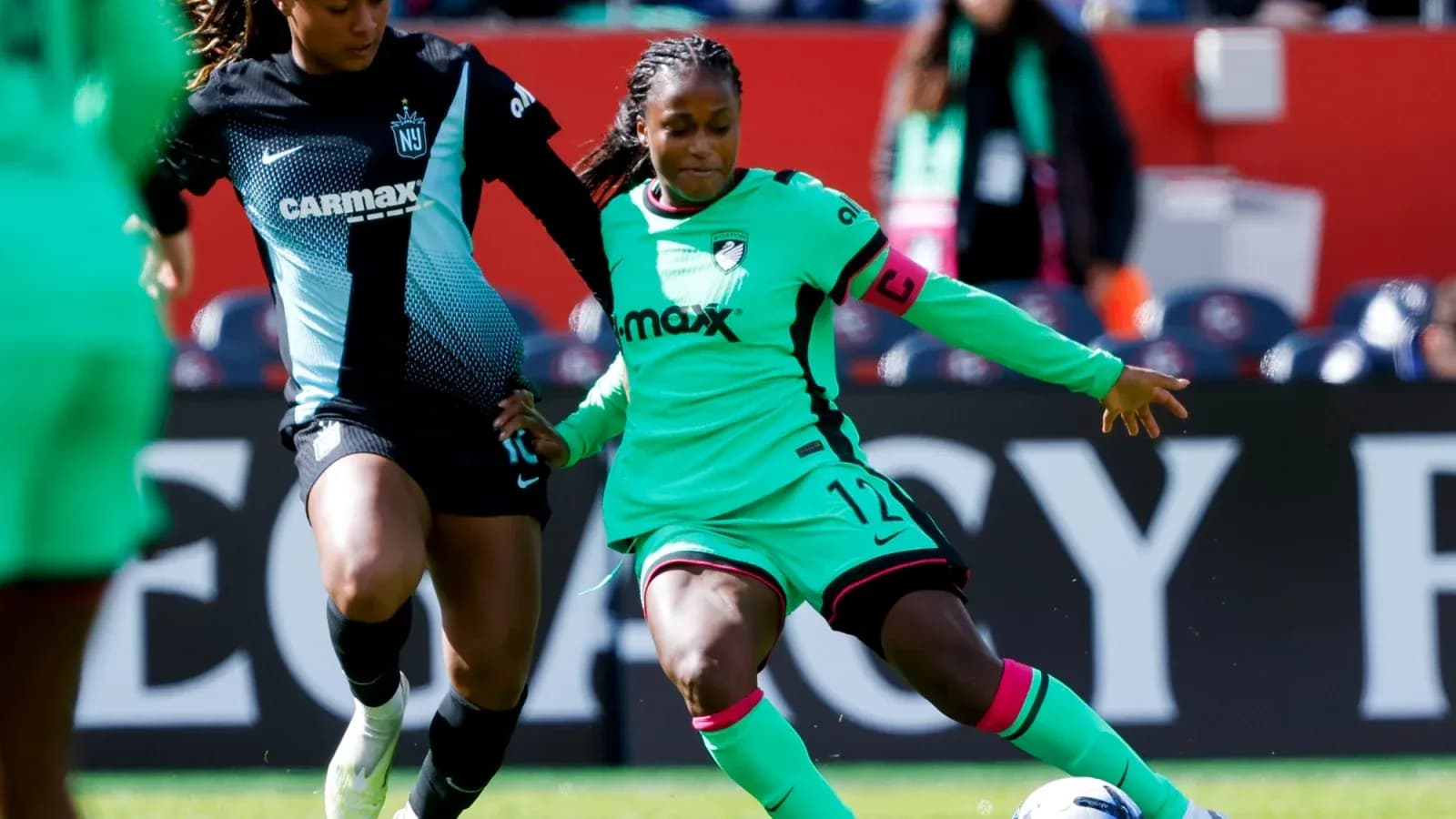
Gotham FC and Boston Legacy Battle to a 1–1 Draw
Under the lights at Sports Illustrated Stadium, this 1–1 draw felt less like a routine group-stage tick-box and more like a snapshot of where both clubs stand in their 2026 NWSL Women journeys. NJ/NY Gotham FC W, fifth in the table with 15 points and a goal difference of 4 heading into this game, carried the weight of expectation. Boston Legacy W, bottom at 16th with 5 points and a goal difference of -7, arrived as the league’s strugglers but not its pushovers.
The narrative began with structure. Juan Amoros doubled down on Gotham’s seasonal DNA, rolling out the now-familiar 4-2-3-1 that has underpinned their steady rise: A. Berger in goal, a back four of M. Purce, J. Carter, T. Davidson and G. Reiten, the double pivot of J. M. Howell and S. McCaskill, and a fluid attacking trio of J. Dudley, S. Schupansky and J. Shaw behind lone forward E. Gonzalez Rodriguez. It is a shape that mirrors their season-long balance: heading into this game they had scored 9 goals and conceded just 5 overall, with a home average of 0.8 goals for and 0.5 against per match. Control first, incision second.
Boston, by contrast, arrived without a listed formation or coach, but their lineup told its own story: C. Murphy in goal behind a defence anchored by B. St.Georges, Lais and E. Elgin; a midfield block of A. Karich, N. Prince, A. Cano, J. Hasbo and S. Smith; and a front pairing of B. Olivieri and Amanda Gutierres. This was less about aesthetic patterns and more about survival. Heading into this game they had conceded 14 goals overall, an average of 1.8 per match, including a bruising 2.0 conceded on their travels.
Yet for all the pre-match imbalance, Boston refused to be a prop. The first half’s 1–1 scoreline captured a contest of clashing philosophies. Gotham’s possession game flowed through Howell and McCaskill, who repeatedly dropped to receive from Carter and Davidson, drawing Boston’s midfield out of shape. That created the half-spaces J. Shaw lives in. The league’s joint top Gotham scorer, with 3 goals and 1 assist in 6 appearances, again looked like the natural axis of the attack: drifting inside off the left, combining with Schupansky between the lines, and forcing Boston’s centre-backs to defend on the half-turn.
Boston’s response was more vertical and more direct. With no clean sheets at home or away this season and 4 matches overall in which they had failed to score, they approached this tie with a certain recklessness. A. Karich and Alba Caño, both high-volume midfielders, were tasked with snapping into tackles and springing early balls into the channels for Olivieri and Amanda Gutierres. Caño’s season profile – 2 goals, 24 tackles and 9 key passes – was written all over her performance: aggressive in the press, willing to break lines with the ball, and constantly trying to drag Gotham’s double pivot into uncomfortable spaces.
The tactical voids in this game were less about absences and more about discipline. Neither side had suspensions listed, but their season-long card profiles shaped the emotional temperature. Gotham’s yellow cards cluster late: 44.44% of their cautions heading into this game arrived between 76–90 minutes, a clear sign that they tend to fray under closing pressure. Boston’s story is more chaotic and more prolonged. Their yellows are spread across the middle bands of the match – 25.00% from 16–30 minutes, 20.00% from 31–45, 20.00% from 61–75 – and they carry a red-card threat, with 1 red between 76–90 minutes this season. A. Traoré and J. Carabalí, both among the league’s top carded players, embody that edge, and even from the bench Traoré’s presence loomed over the contest as a potential late-game disruptor.
Defining Duels
Within that emotional landscape, two duels defined the evening.
The first was the “Hunter vs Shield” battle: Gotham’s creative spearhead against Boston’s brittle back line. Shaw’s season numbers – 11 shots, 7 on target, 3 goals – framed her as the hunter-in-chief. Boston, conceding 2.0 goals on their travels and yet to keep a clean sheet anywhere, were the shield with dents already visible. Whenever Gotham found their rhythm, it was Shaw, Dudley and Gonzalez Rodriguez interchanging positions, pulling St.Georges and Elgin into wide channels they did not want to defend. Dudley, with 2 assists and 9 key passes this season, repeatedly attacked the right half-space, forcing Boston’s full-backs into difficult two-way decisions.
The second was the “Engine Room” clash: Gotham’s double pivot against Boston’s ball-winners. Howell and McCaskill’s job was to maintain Gotham’s defensive integrity – a home average of just 0.5 goals conceded per match does not happen by accident – while still feeding the advanced trio. Opposite them, Karich and Caño brought volume and bite. Karich’s 385 passes at an 84% accuracy rate this season, combined with 18 tackles and 5 interceptions, made her Boston’s metronome and firefighter in one. Caño, with 24 tackles and a willingness to foul when needed, was the enforcer trying to break Gotham’s tempo.
In the end, the 1–1 full-time scoreline felt like a statistical compromise. Gotham’s season-long Expected Goals profile is not given here, but their underlying indicators – low goals against, moderate goals for, a high number of clean sheets (6 overall) and only 3 matches in which they failed to score – point to a side that usually controls xG through structure and shot quality rather than volume. Boston’s numbers suggest the opposite: 7 goals for, 14 against overall, and no clean sheets, the hallmarks of a team that lives on the edge of variance.
Following this result, the tactical verdict is clear. Gotham remain the more complete, xG-friendly side: organised at the back, capable of grinding out low-scoring games, and with a genuine difference-maker in Shaw plus a relentless facilitator in Dudley. Boston, however, showed that their statistical fragility can be masked on the day by collective aggression and a busy midfield. If they can harness the work of Karich, Caño and Prince without tipping into self-sabotage through cards, their season trajectory may yet bend away from the bottom.
For Gotham, the draw is a reminder: structure and control have taken them into the playoff conversation, but to turn nights like this into routine wins, they will need more ruthless finishing from Gonzalez Rodriguez and the supporting cast. The platform is there; the next step is turning their territorial and statistical superiority into a scoreboard that reflects it.