Atalanta Overcomes Dortmund: A Tactical Analysis
This was a classic case of space beating possession. Borussia Dortmund saw more of the ball with 56% possession and completed more passes (515 to Atalanta’s 394), but Atalanta controlled the game’s key zones and transitions. Palladino’s 3-4-2-1 was clearly built to spring forward quickly once possession was won, rather than circulate endlessly. Dortmund’s higher pass accuracy (80% vs 78%) did not translate into territorial dominance; instead, their structure was repeatedly exposed when Atalanta broke through the lines. The Italians’ 44% possession was purposeful and vertical, turning fewer phases on the ball into far more dangerous attacks.
Offensive Efficiency
Atalanta’s attacking plan was direct and penalty-box oriented. They produced 14 total shots to Dortmund’s 7, with a striking 12 of those 14 coming from inside the box, underlining how well they attacked central spaces and second balls. Their 8 shots on target, backed by an xG of 2.49, show sustained, high-quality chance creation rather than speculative efforts. Five corners further reflect territorial pressure in the final third.
Dortmund’s defensive phase unraveled under pressure. They committed fewer fouls (10) but collected 4 yellow cards and exactly 2 reds (Nico Schlotterbeck before the match and Ramy Bensebaini in stoppage time), reflecting mounting frustration and late, desperate interventions. Gregor Kobel’s 4 saves against 8 shots on target faced underline how frequently Dortmund’s back line was exposed. With only 1 blocked shot, their last-ditch defending lacked intensity and coordination compared to Atalanta’s compact block and proactive fouling.
Defensive Discipline & Intensity
Without the ball, Atalanta were aggressive and disruptive. Their 17 fouls compared to Dortmund’s 10 indicate a deliberate strategy to break rhythm and prevent Dortmund from accelerating through midfield. Yet they kept their discipline structurally, conceding only 7 shots and forcing Carnesecchi into just 3 saves. One yellow card for Atalanta points to controlled aggression rather than recklessness.
Dortmund’s defensive phase unraveled under pressure. They committed fewer fouls (10) but collected 4 yellow cards and 2 reds, including a dismissal in stoppage time, reflecting mounting frustration and late, desperate interventions. Gregor Kobel’s 4 saves against 8 shots on target faced underline how frequently Dortmund’s back line was exposed. With only 1 blocked shot, their last-ditch defending lacked intensity and coordination compared to Atalanta’s compact block and proactive fouling.
Conclusion
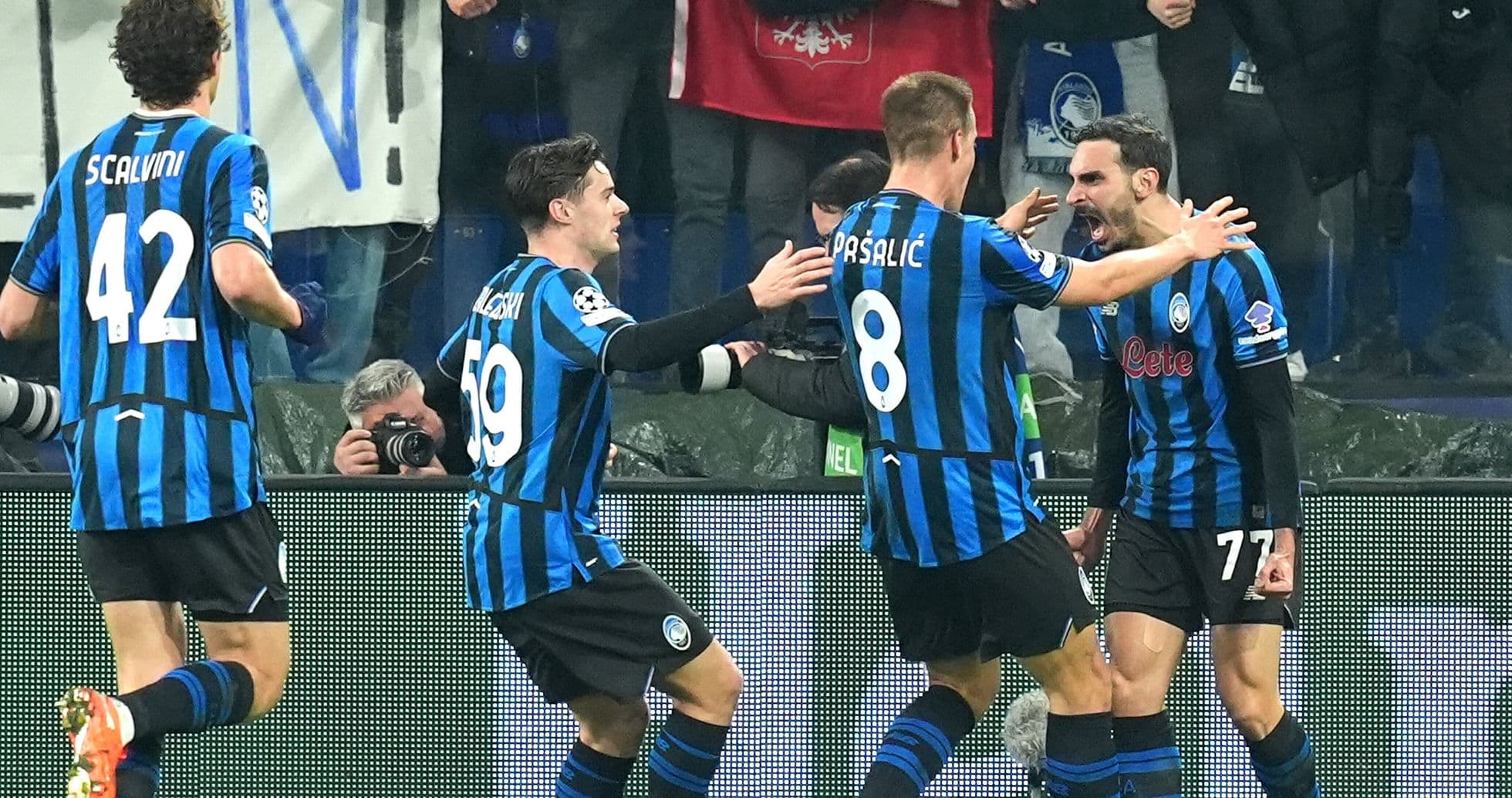
Ultimately, Atalanta’s vertical, high-impact use of 44% possession, 14 shots, and 2.49 xG overwhelmed Dortmund’s sterile 56% share of the ball. Clinical box occupation, aggressive disruption without losing shape, and superior efficiency in both penalty areas turned a possession deficit into a commanding 4–1 win.