World Cup Quarterfinals: Argentina Faces Egypt, Switzerland Meets Colombia
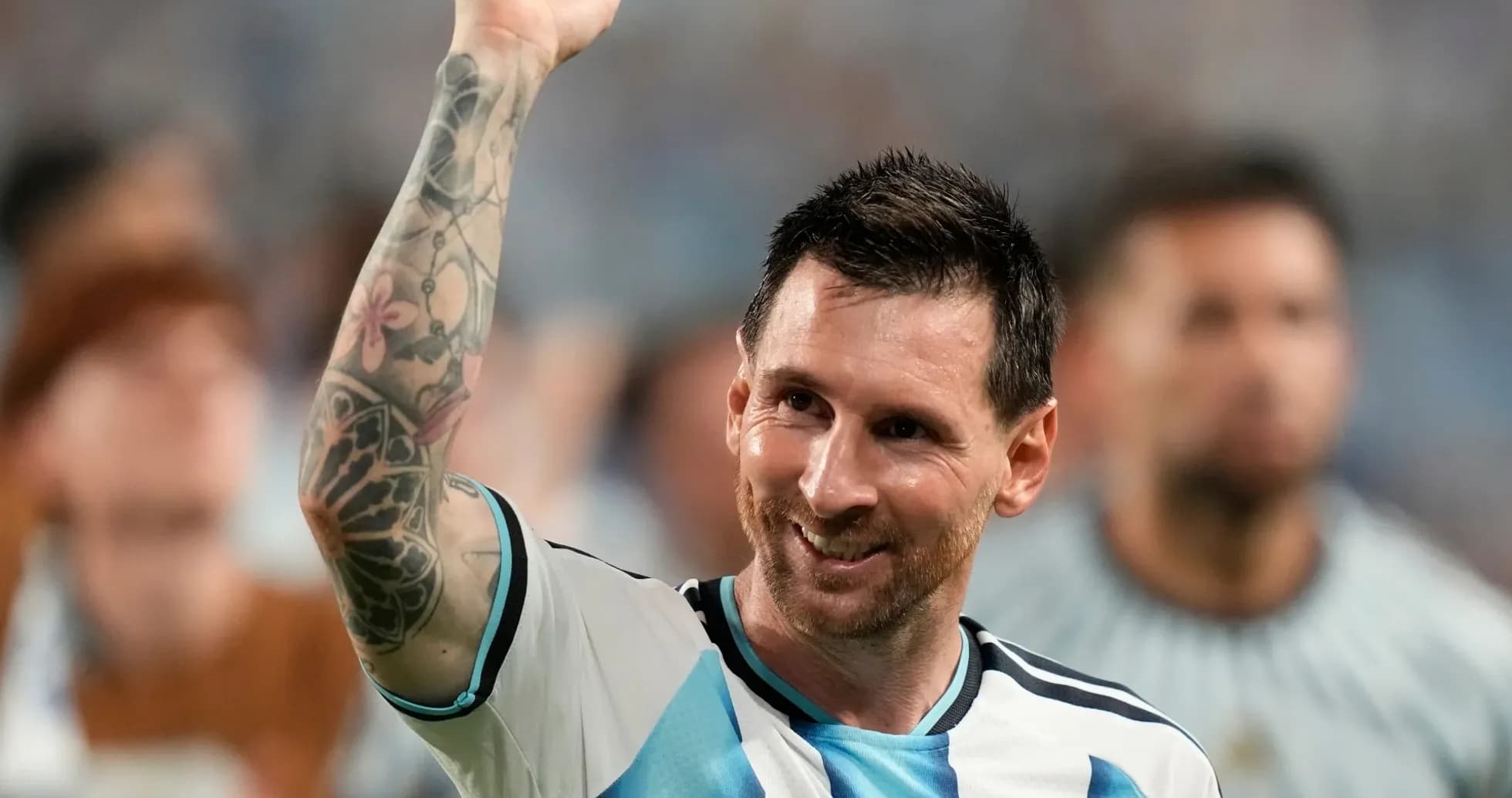
The World Cup has hit the stage where every mistake lingers and every kick feels historic. On Tuesday, the tension runs from Atlanta to Vancouver, from Lionel Messi’s title defence to a nation daring to dream of its first quarterfinal.
Argentina, Egypt and a date with history
At Atlanta Stadium, Argentina face Egypt at noon local time (16:00 GMT), a fixture that on paper looks straightforward, but on this stage rarely is.
These two last met in 2008, a friendly in Cairo that Argentina controlled 2-0 with goals from Sergio Aguero and Nicolas Burdisso. Messi did not play that night. He does now, and that changes everything.
Argentina’s record against African sides at World Cups is imposing, and the numbers back up the mood in their camp. The Opta supercomputer, after 25,000 simulations, gives the holders a 69.1 percent chance of winning inside 90 minutes. Cold, clinical odds that reflect a team still moving with the authority of champions.
Egypt, though, are not being dismissed. They carry a 12.3 percent chance of an upset in those same simulations, with 18.5 percent ending level and heading into extra time. Slim margins, but margins all the same. For a country that has never stood this close to the World Cup’s final eight, that sliver of probability is fuel.
And around it all, their coach has turned this tournament into something bigger than tactics and team sheets.
Hossam Hassan’s World Cup podium
On the eve of the biggest match in Egypt’s football history, Hossam Hassan chose not to talk about Messi’s movement or how to break Argentina’s press. He chose Palestine.
Hassan, who had already held up a Palestinian flag after Egypt’s win over Australia, used his pre-match press conference to deliver a four-minute, emotional address on the suffering in Gaza. Reporters applauded when he finished.
“If there is anyone in the world who does not feel for the Palestinian people, then they are not human, whether they are Arab, European, or American,” he said.
He drew a stark comparison between the global response to civilian deaths and the outrage that follows animal cruelty, insisting that thousands of lives lost in a single day must never be treated as normal.
It was a striking scene: a coach preparing for a defining football moment, yet refusing to separate that moment from the wider world. Egypt now walk into Atlanta carrying not just a nation’s hope for a first quarterfinal, but a message that has already echoed far beyond this tournament.
Switzerland, Colombia and a finely balanced fight
Later, in Vancouver’s BC Place, Switzerland and Colombia square off at 1pm local time (20:00 GMT) in a tie that feels far less predictable.
Their history is thin but telling. Three of their four previous meetings were friendlies, the most recent in March 2007. That day, Colombia ran out 3-1 winners, with Edixon Perea, Jhon Viafara and Andres Chitiva on the scoresheet for Los Cafeteros.
The data leans slightly their way again. Opta’s model, over 25,000 simulations, hands Colombia a 41.9 percent chance of winning in normal time. Switzerland sit at 28.2 percent, with 29.9 percent of outcomes ending in a draw.
It is the sort of matchup where one moment of composure, or panic, could decide who flies into the quarterfinals and who flies home regretting a single misplaced pass.
Ronaldo’s last World Cup bow
For Cristiano Ronaldo, the World Cup story is already over.
After Portugal’s elimination, the 41-year-old confirmed what many suspected: this was his final appearance on football’s biggest stage. Six editions, a career that helped define an era, ended not with a trophy in his hands but with a quiet acceptance of the way the game sometimes writes its endings.
“I’m sad to be leaving the World Cup like this,” he said. “I gave everything I had, I did my best, and I leave with a clear conscience. It was my last World Cup, yes, but now I’ll have time to reflect and spend time with my family. I won’t make any decisions in the heat of the moment.”
He stopped short of saying whether he had played his last match for Portugal. That question hangs in the air, unanswered by design. Ronaldo does not want his own future to overshadow the team he has fronted for nearly two decades.
His World Cup chapter closes not with fireworks, but with a veteran walking off knowing there are no more chances on this stage.
USA’s home dream shattered by ruthless Belgium
If Ronaldo’s exit was tinged with reflection, the United States’ departure was raw and immediate.
Images told the story. Christian Pulisic on the turf, clutching an injured ankle. Goalkeeper Matt Freese frozen, hands on his head after a costly mistake. Chris Richards collapsed on the grass, frustration written across his face. On the touchline, Mauricio Pochettino lashed out at a rack by the bench, bottles flying.
Belgium had no sympathy. Charles De Ketelaere tore through the hosts, scoring twice and assisting another in a 4-1 win that hurled the Red Devils into the last eight and ended the USA’s hopes of a deep run at a home World Cup.
“It stinks,” Tyler Adams admitted. “This was a moment to have an opportunity to advance and really try and do something special. We fell short.”
Even the return of Folarin Balogun, cleared to play after FIFA controversially lifted his red-card suspension, could not tilt the game back. Two defensive errors in the first half handed Belgium control. Freese’s mistake after the break gifted them yet another goal.
A night that was supposed to showcase American progress instead exposed how unforgiving this tournament can be when concentration slips.
Mbappe confronts racism after France advance
On the other side of the bracket, France moved on to a quarterfinal against Morocco. Their 90 minutes against Paraguay ended with a win; the fallout has been anything but routine.
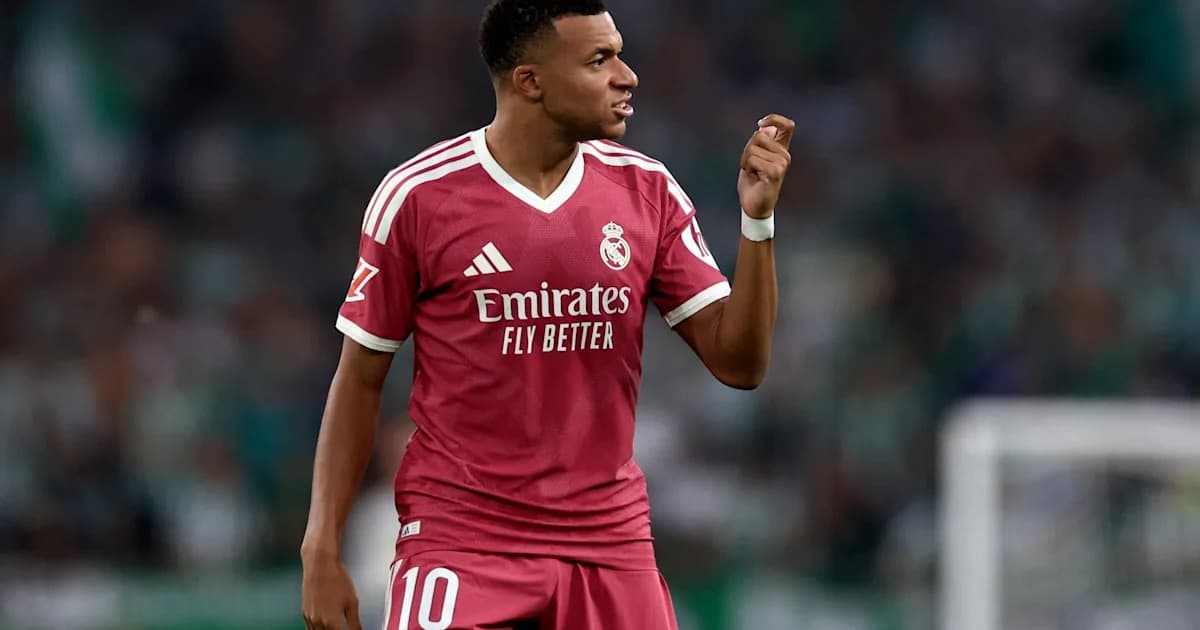
After Paraguay’s defeat to France in the round of 16, Paraguayan senator Celeste Amarilla posted a racist tirade on X, targeting Kylian Mbappe with slurs and describing him as a “colonised Cameroonian, desperately trying to pass himself off as French” and a “brute” who had not learned to write. She even claimed Paraguay’s players should have slapped him after the match.
Mbappe did not let it slide.
He issued a searing response on X, calling Amarilla “despicable” and “unworthy” of her position, and accusing her of allowing racism to drown out the achievements of Paraguay’s players during the tournament.
“Madame Celeste Amarilla, you are a despicable woman and unworthy of your position. You do not represent Paraguay, that country which has sweated passion and honour throughout the competition,” he wrote, before condemning her “recklessness” and “brazen racism” and vowing never to allow people like her to spread hatred unchecked.
Amarilla later deleted her posts and released an open letter to Mbappe, saying she regretted using insults she herself had suffered as a mixed-race person. The damage, though, had already been done.
France march on to face Morocco on Thursday. Mbappe carries not just the burden of leading a contender, but the weight of a fight he has chosen to take on well beyond the white lines.
A tournament bigger than the pitch
So Tuesday arrives with Messi chasing another chapter, Egypt chasing history, Colombia and Switzerland locked in a statistical coin toss, and the aftershocks of Ronaldo’s farewell, the USA’s collapse, Hassan’s political stand and Mbappe’s anti-racism stance still rolling through the tournament.
The World Cup has always been more than a bracket. This edition is proving it again, one knockout night at a time.