World Cup Final Tickets Hit £1.7m as Fifa Faces Backlash
The World Cup final is 90 minutes of football. Fifa’s resale site is turning it into a luxury asset.
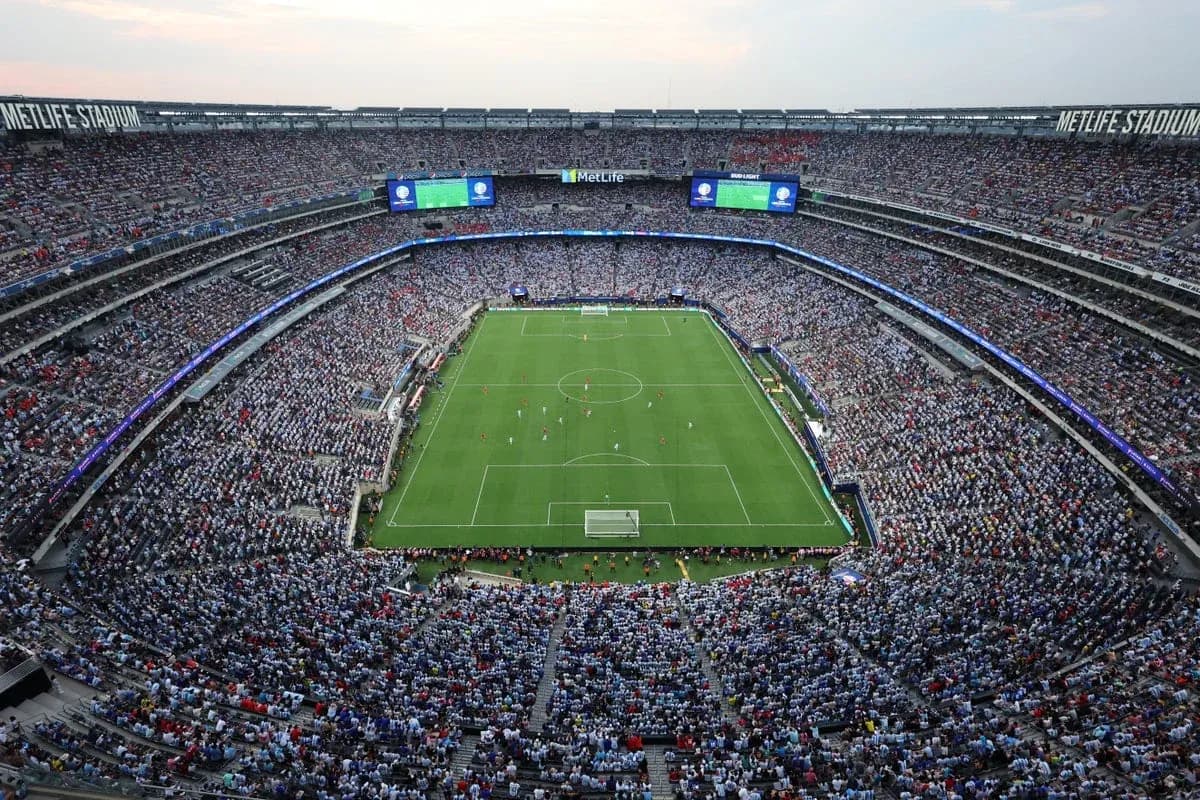
On the governing body’s official ticket marketplace, four seats for the showpiece at MetLife Stadium on 19 July have been listed at just under $2.3m (£1.71m). Not hospitality, not a private suite – standard seats behind the goal in the lower deck, block 124.
That is the sharp end of a market Fifa insists it does not directly control. Sellers set the asking price, buyers decide whether to pay it. Fifa, though, still takes its cut: a 15 per cent fee from the buyer and another 15 per cent from the seller on every resale.
It is a secondary market, but with a very primary revenue stream.
In a statement, Fifa framed the model as simply keeping pace with the modern sports economy. The organisation said it has “established a ticket sales and secondary market model that reflects standard ticket market practices for major sporting and entertainment events across the host countries,” stressing that the resale facilitation fees are “aligned with industry standards across North American sports and entertainment sectors”.
The language is familiar: “variable pricing”, “optimise sales and attendance”, “fair market value”. In practice, it means a wildly uneven landscape inside the same stadium.
On the lower deck, an aisle seat is listed at $207,000 (£153,600). Higher up, in the last row of the uppermost third deck, a category two ticket carries a $138,000 (£102,400) price tag. Just a few feet away, another seat is posted for $23,000 (£17,000). Same game, same view of the same pitch, radically different cost.
At the bottom end of this rarefied scale, the cheapest tickets currently visible for the final sit just under $11,000 (£8,200) for a block of four, four rows from the top of the upper deck behind a goal. The “cheap seats” in name only.
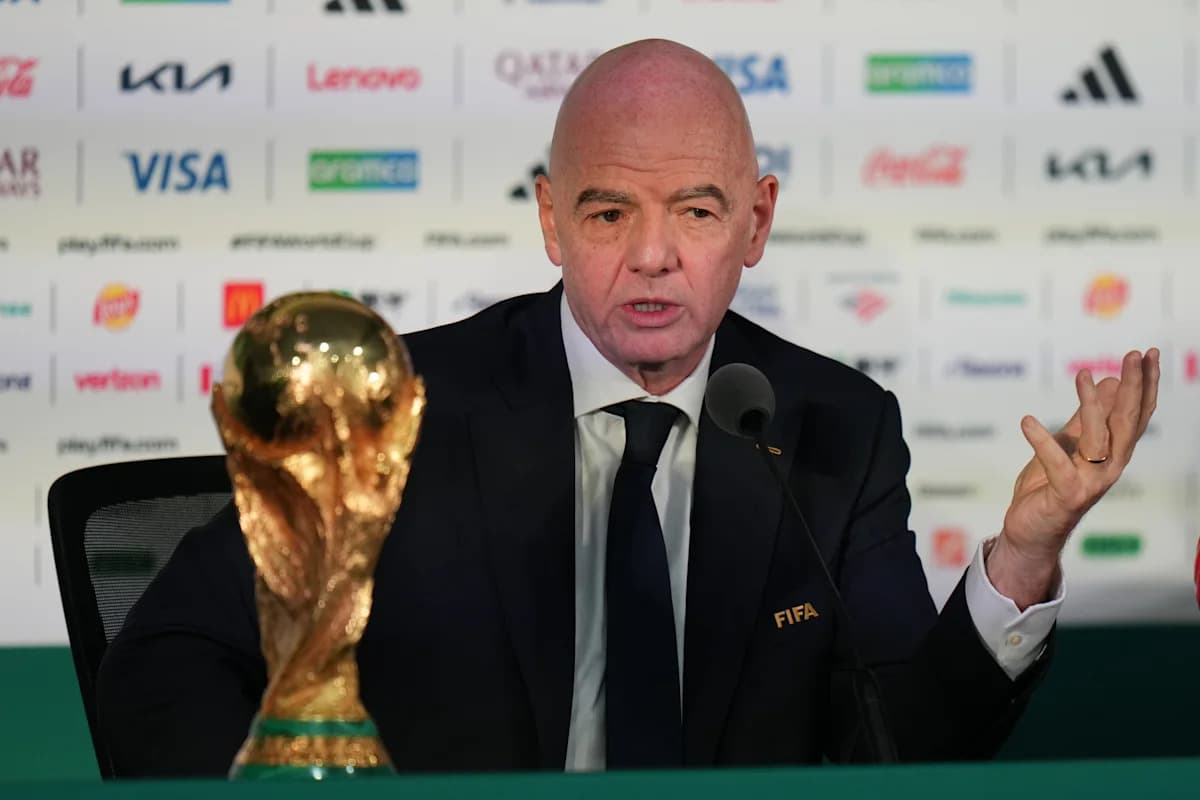
Under growing criticism, Fifa president Gianni Infantino has stood firmly behind the pricing structure. His defence is blunt: the World Cup is the organisation’s cash cow, and the money, he says, goes back into the global game.
“What many people don't know, because of course we generate billions in a World Cup, people don't know Fifa is a non-for profit organization, which means all the revenue we generate, we invest them in the organisation of the game, in 211 countries all over the world,” Infantino said.
“Three quarters of (those countries) probably would not be able to have organized football without the grants we could give them. So we always try to find the right balance. The main, and so far the only, revenue-generating event for Fifa is the World Cup.”
That “balance” looks very different from the upper tiers of MetLife Stadium than it does from Fifa’s headquarters.
This week, Fifa released another batch of tickets for the tournament, covering Categories 1, 2 and 3, alongside a newly introduced “front category” tier. On paper, it is just another pricing band. Online, it has detonated a backlash.
Supporters who had already secured tickets in the main categories say they have watched superior seats suddenly appear under the new “front category” label, while they remain locked into less desirable locations. The accusation is simple: the best spots were held back to be re-badged and resold at a premium.
Fifa’s own terminology talks about “price adaptations” and “industry trends”. Fans see something else: a World Cup that increasingly treats proximity to the pitch as a commodity for the ultra-wealthy.
The final will still sell out. It always does. The question now is who will actually be in those £1.7m seats – and how long football can claim to belong to everyone when the game’s biggest night is priced like a luxury investment.