World Cup 2026: The Critical Deadline for Coaches
There is a date circled in red on every international manager’s calendar: Monday, 1 June 2026. Miss it, and the World Cup dream collapses before a ball is kicked.
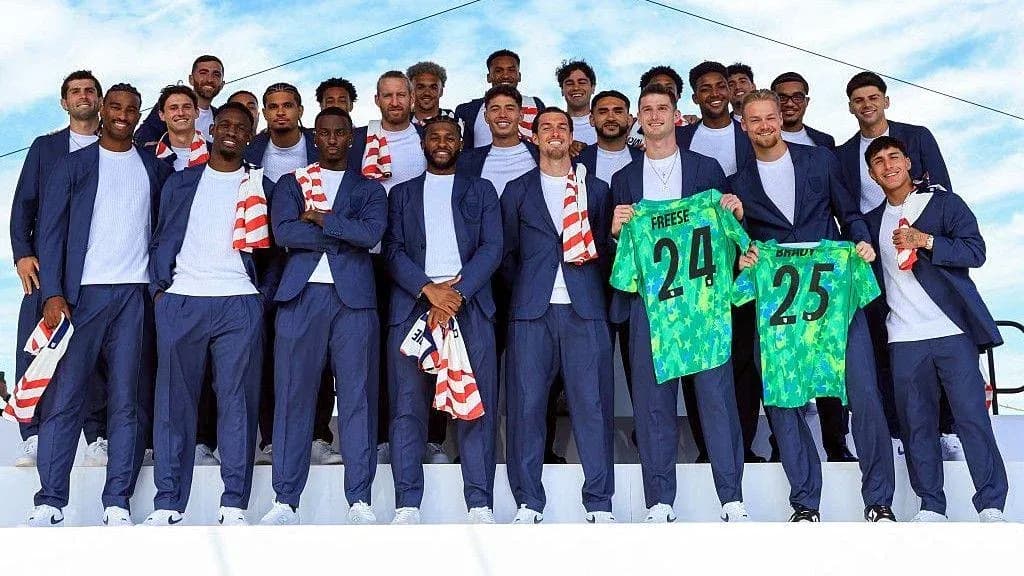
By that day, every nation heading to the 2026 Fifa World Cup must submit its final 26-man squad. No more experiments, no more extended lists. Twenty-three to twenty-six names, three of them goalkeepers, locked in.
On Tuesday, 2 June, Fifa will make those squads official. From that moment, the margins become brutally thin.
The rules are clear, and unforgiving.
Once the lists are confirmed, coaches are allowed to change their squads for only one reason: a player suffers a serious injury or illness. Even then, there is a tight window. Any replacement must be made no later than 24 hours before that team’s first match of the tournament.
After that point, outfield squads are frozen. If a striker pulls a hamstring in the opener or a centre-back breaks a bone in training before the second group game, the manager has to live with the damage. No late call-ups. No rescue missions.
Goalkeepers, though, live by a different law.
If a keeper picks up a serious injury or illness at any stage during the tournament, he can still be replaced. It is the only position that allows for that kind of flexibility, a recognition of how specialised and exposed the role is. Lose one, and the entire balance of a squad can tilt.
Every nation must build around that framework: at least three goalkeepers, up to 23 outfielders, no room for sentiment.
England and Scotland have already played the game by the book, each naming a full 26-man squad with three goalkeepers included. They are not outliers. Across the field, most contenders will squeeze every available slot, desperate to cover every tactical scenario, every possible injury, every twist that a month-long tournament can throw at them.
The rules strip away excuses. They force decisions. And when the first whistle blows in 2026, the squads on the sheet will tell their own story: who gambled, who played safe, and who judged the fine line between depth and trust just right.