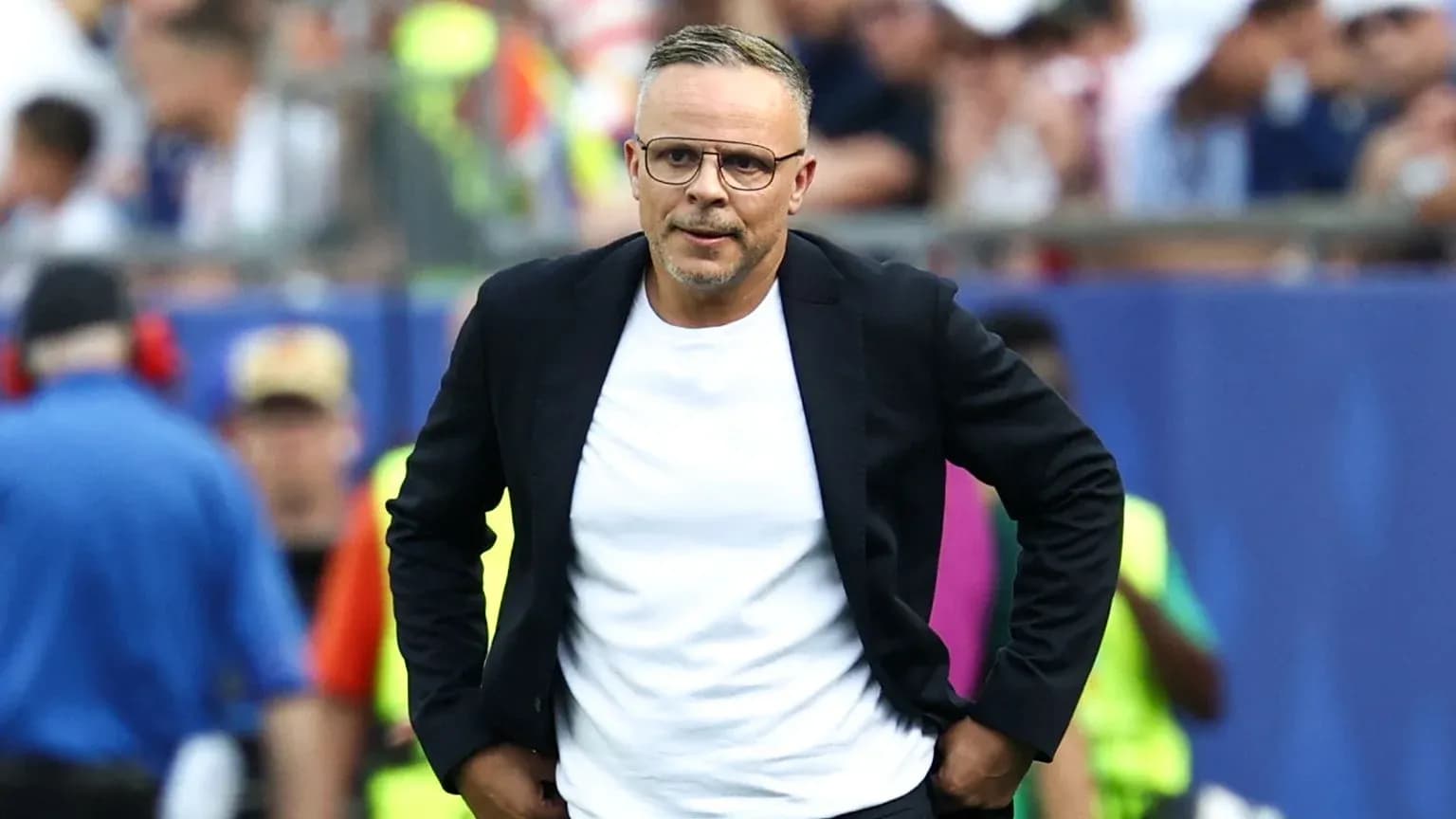
Walid Ouahbi Reflects on Morocco's Battle Against France
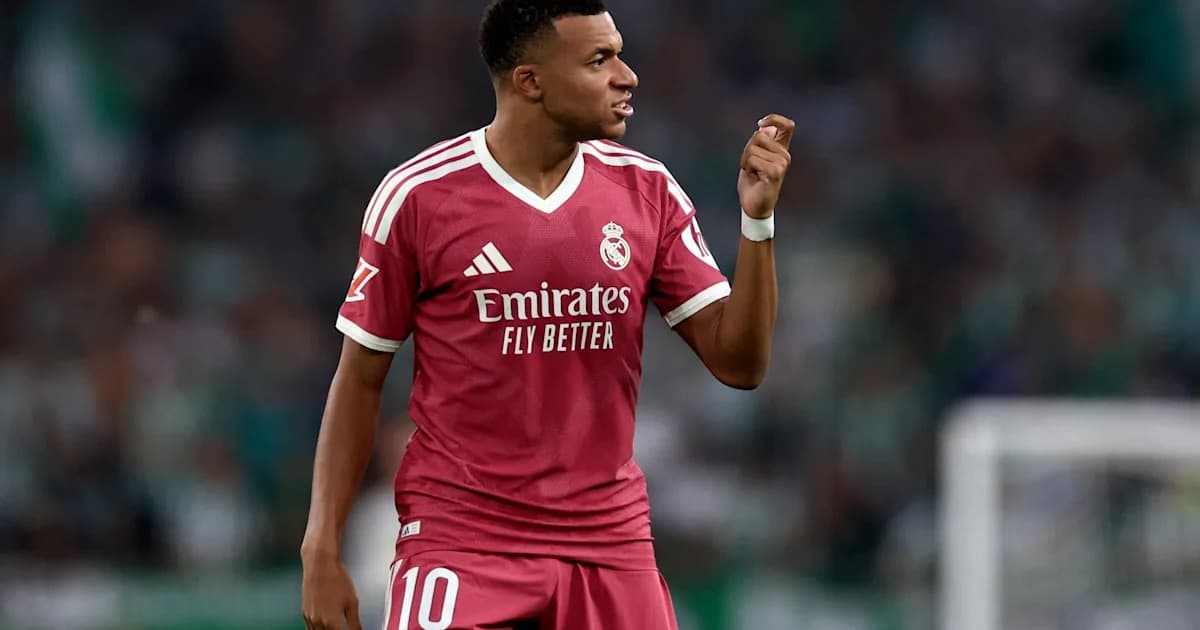
Walid Ouahbi walked away from an intense night of football with one image still burning in his mind: Adrien Rabiot’s touch in the build-up to France’s opener.
The Morocco coach was adamant the French midfielder had handled the ball before Kylian Mbappé pounced and lashed it past Yassine Bounou, yet he found himself caught in the grey area between anger and resignation.
“The goal came from a bit of a... shared ball, some people stopped because they saw a handball,” he told beIN Sports, still replaying the moment. “It was a handball, I don't know if it should have been called or not, I don't know.”
The frustration was clear. Players hesitated, arms went up, the defence paused for a split second. France did not. Mbappé certainly did not. The punishment was immediate.
Ouahbi’s criticism of referee Facundo Tello stopped short of outright condemnation, but the implication was obvious: Morocco felt the contest had tilted on a decision they believed was wrong, or at the very least deeply debatable.
Yet he refused to let the controversy define the night.
“We have to admit that we played against a very good team,” the 49-year-old said, shifting the focus to the gulf in quality they had to bridge. “We suffered a lot in the first half, and Bounou made a great save on the penalty.”
That save kept Morocco alive when the game threatened to run away from them. The first 45 minutes had been a struggle, a test of survival rather than control. Morocco chased, scrambled, and clung on as France pushed and probed.
“In the first half, it seemed like some players were catching their breath,” Ouahbi admitted. The intensity France brought forced mistakes, rushed touches, panicked clearances. Morocco looked a yard short everywhere.
Second Half
Then the mood changed.
“In the second half, we defended better and, above all, we were more composed with the ball. We were much better,” he said. The same players who had laboured before the break suddenly found rhythm. Passes started to stick. Morocco began to breathe again.
“We saw that these same players started the second half well,” he added, a hint of pride cutting through the disappointment.
France still carried the greater threat, still looked sharper in the decisive moments, but Morocco finally imposed some control. They were no longer just reacting; they were building, circulating, daring to play.
The closing stages were a grind.
“It was tough at the end,” Ouahbi admitted. Legs tired, minds clouded, and yet the team kept pushing. The margins remained thin, the hope stubborn.
But when the final whistle went, the coach’s message was not one of collapse or surrender. It was of construction.
“I believe we must continue to believe, to work,” he said. “We must also continue to work on the basics, ensuring that when there are injuries, players who are less fresh, we can have a larger pool of players.”
That line cut to the heart of his project. Depth. Resilience. The ability to rotate without losing identity. On a night when France could call on layer after layer of elite talent, Morocco’s limitations were exposed as much by fatigue as by the scoreline.
“We will continue, we will not stop here,” Ouahbi insisted. The disappointment was raw, and he did not try to hide it. “We are very disappointed, we wanted more, but we have to accept it.”
Acceptance, in his view, does not mean complacency. It means owning the gap, understanding why nights like this slip away, and building a squad capable of going toe-to-toe for 90 minutes, not just 45.
The handball debate will linger. The sense of grievance may fuel them. But Ouahbi has already turned his gaze to the next step: can this team turn flashes of composure and courage against a heavyweight into a sustained standard, and can Morocco grow a pool deep enough to make nights like this feel less like an upset in waiting and more like a genuine contest of equals?