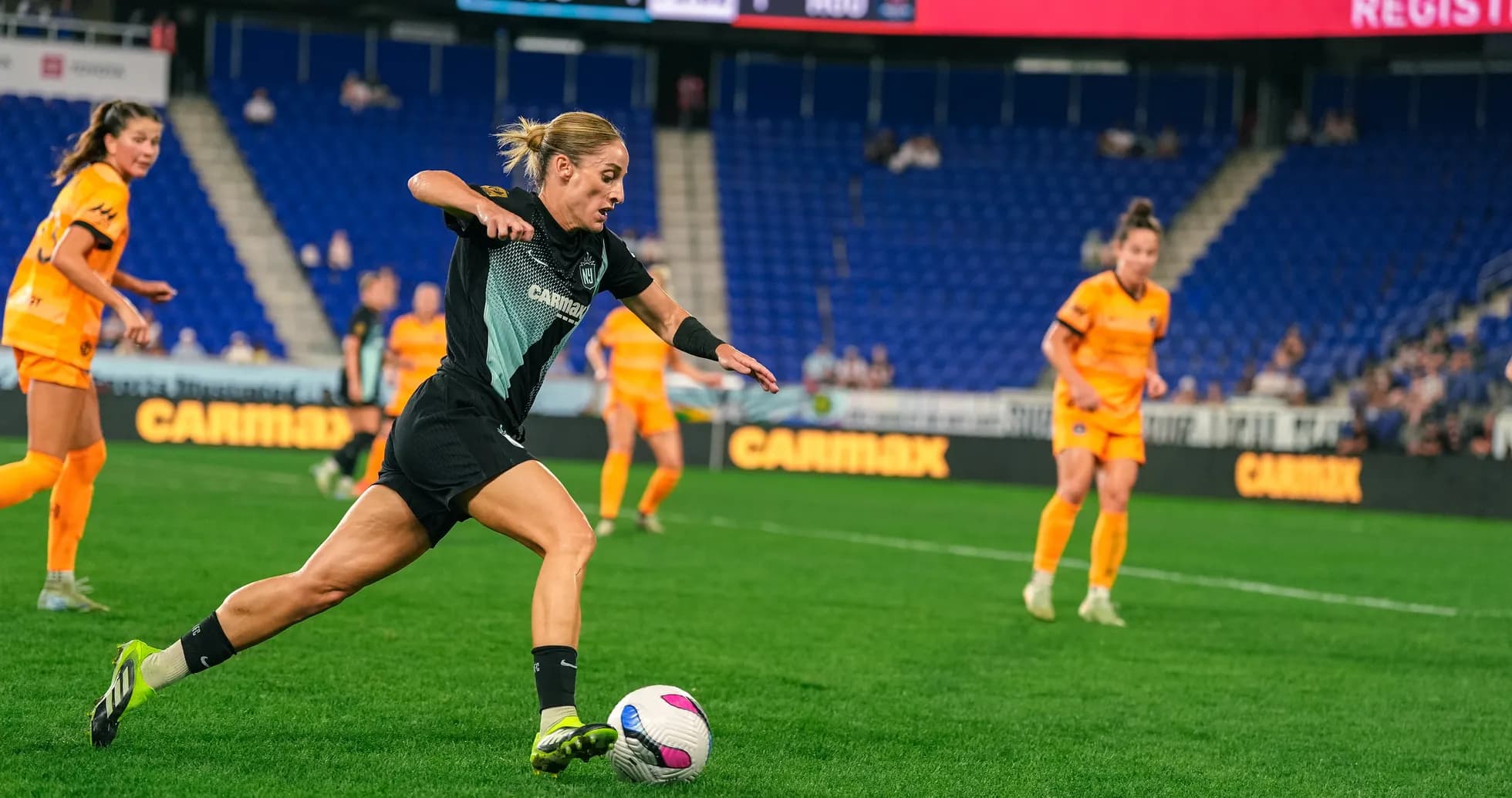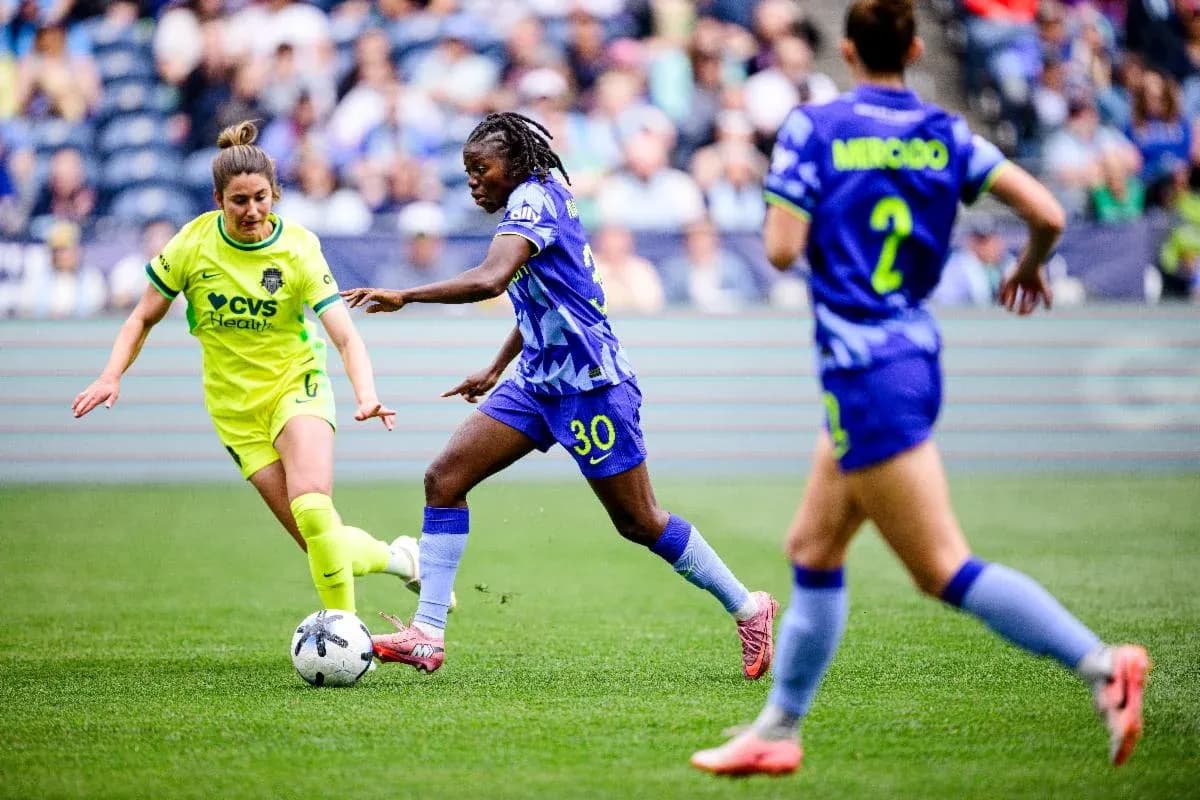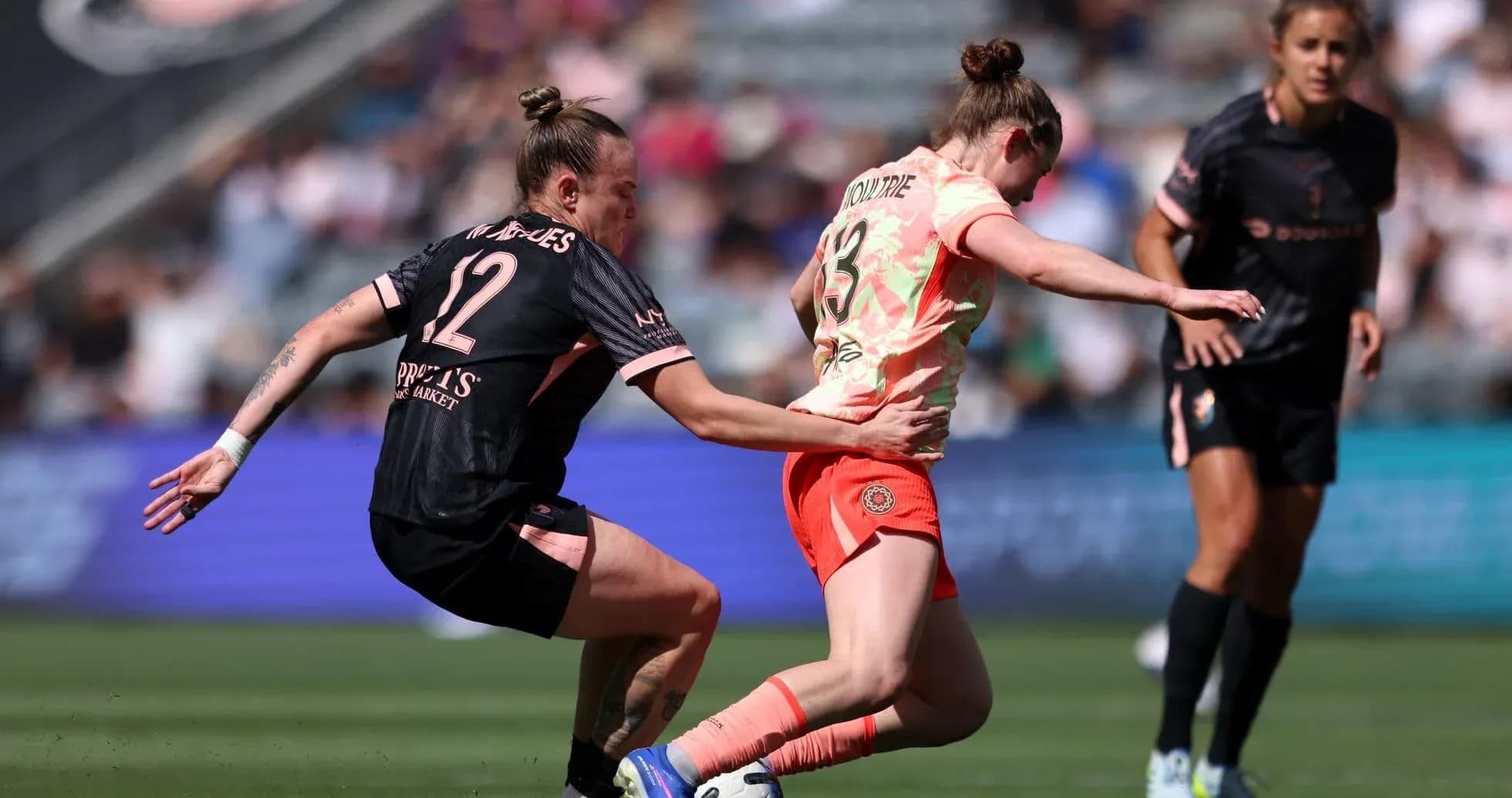
Utah Royals W vs Houston Dash W: Tactical Analysis and Match Insights
Under the lights at America First Field, this Group Stage meeting in the NWSL Women felt like a checkpoint in two very different journeys. Utah Royals W arrived as a side on the rise, sitting 2nd with 16 points and a goal difference of 6 after 8 matches (12 scored, 6 conceded overall). Houston Dash W came in more volatile, 7th with 10 points and a goal difference of 1 from 7 games (9 for, 8 against overall). The 2-0 full-time scoreline in Utah’s favour did more than settle a night’s work – it underlined the contrasting identities these squads are building.
I. The Big Picture – Utah’s structure vs Houston’s edge
Utah’s season-long profile already hinted at what unfolded. Overall, they average 1.5 goals for and just 0.8 against, built on a disciplined defensive platform and a clean-sheet habit – 4 shutouts in total, split evenly between home and away. At home, they had been efficient rather than explosive, with 4 goals scored and 2 conceded across 3 fixtures, an average of 1.3 scored and 0.7 conceded. The 2-0 here matched their biggest home win of the campaign and fit neatly into that pattern of controlled superiority.
Houston’s numbers painted a more fractured picture. Overall, they score 1.3 and concede 1.1 per match, but the split is stark: at home they have 7 goals for and 4 against (1.8 scored, 1.0 conceded), while on their travels they had only 2 goals for and 4 against across 3 away games, averaging 0.7 scored and 1.3 conceded. This was always likely to be a test of whether their aggressive, card-prone edge could survive Utah’s structured, possession-based 4-2-3-1.
Jimmy Coenraets doubled down on that identity. Utah lined up in their preferred 4-2-3-1, with M. McGlynn in goal behind a back four of J. Thomsen, K. Del Fava, K. Riehl and M. Moriya. In front, the double pivot of A. Tejada Jimenez and N. Miura anchored a fluid band of three – P. Cronin, Minami Tanaka and C. Lacasse – behind lone forward C. Delzer. It is a shape Utah have used in 7 of their 8 league fixtures, and it showed in the automatisms: angles, distances, and pressing triggers all looked rehearsed.
Houston, under Fabrice Gautrat, stuck to their own template: a 4-4-2 they have deployed in all 7 league outings. J. Campbell started in goal, with a back line of L. Klenke, P. K. Nielsen, M. Berkely and L. Boattin. The midfield four – E. Ekic, C. Hardin, S. Puntigam and L. Ullmark – worked behind a front two of M. Bright and C. Larisey. On paper, it is a system built for verticality and quick transitions; in practice, in Sandy, it often became a 4-4-1-1 pinned back by Utah’s midfield rotations.
II. Tactical Voids and the Discipline Battle
There were no listed absentees, so both coaches had full benches and their key profiles available. That made the disciplinary dimension even more central, because both teams arrive with strong card histories.
Utah’s season card map shows a side that tends to absorb bookings in the heart of the contest: 23.53% of their yellow cards between 46-60 minutes and another 23.53% between 61-75, with a late spike of 17.65% from 76-90. They have also already seen a red in the 76-90 window, underlining how their intensity can tip into risk as games stretch. Players like Ana Tejada, who has 3 yellows and a reputation as a front-foot defender, embody that edge.
Houston, by contrast, are at their most combustible in the closing stages. 36.36% of their yellow cards arrive from 76-90 minutes, with another 27.27% between 46-60 and 18.18% from 16-30. It is a profile of a team that chases games aggressively and often ends up hacking at tempo rather than controlling it. Midfielders such as K. van Zanten and D. Colaprico, both on 2 yellows this season, are central to that story.
In this match, Utah’s ability to establish a 1-0 half-time lead (1-0 at 45') meant Houston had to chase. That scenario plays directly into Utah’s strengths: they have failed to score in 0 league matches this season, and their clean-sheet count suggests they are comfortable defending a lead without losing attacking ambition. Houston’s away fragility – only 1 away win and 2 defeats from 3 – was again exposed as they were forced to step higher and leave spaces between their lines.
III. Key Matchups – Hunter vs Shield, Engine Room
The headline attacking figures on both sides framed the key duels. For Utah, C. Lacasse came into the fixture as a complete wide attacker: 3 goals and 2 assists in total, with 19 key passes and 8 interceptions. She is not just a finisher; she is a pressing trigger and secondary playmaker, and her work from the left of the 4-2-3-1 gave Utah a natural outlet to break Houston’s wide midfield line.
Opposite her, Houston’s defensive shield included P. K. Nielsen, who has been one of their most reliable back-line performers: 251 passes at 82% accuracy, 13 tackles, 7 successful blocks and 9 interceptions. Nielsen blocked 7 shots this season, a reflection of her willingness to defend the box. But in Sandy, she and M. Berkely were repeatedly forced to defend running backwards as Lacasse and Tanaka attacked the half-spaces.
In the “Engine Room”, the duel was just as clear. Utah’s Minami Tanaka has quietly become one of the league’s most influential creators, with 1 goal and 3 assists from 450 minutes, plus 147 passes and 17 fouls drawn. Her ability to receive between lines and turn under pressure is the hinge of Coenraets’ structure. On the other side, Houston’s answer is D. Colaprico, a metronome with 174 passes at 78% accuracy, 11 tackles and 4 blocks. Colaprico blocked 4 shots this season, often dropping into the back line to help build and defend.
Here, Utah’s double pivot of Tejada Jimenez and Miura helped Tanaka find pockets between Houston’s central midfielders and their centre-backs. With S. Puntigam and C. Hardin dragged into horizontal shifts, gaps appeared for Tanaka to receive on the half-turn. That pressure steadily eroded Houston’s 4-4-2 shape until the second goal killed the contest.
IV. Statistical Prognosis – Why 2-0 Felt Inevitable
Even without explicit xG numbers, the underlying season data gives this result a sense of inevitability. Heading into this game, Utah’s overall profile – 5 wins from 8, only 2 defeats, 12 scored and 6 conceded – spoke of a side that rarely gets outplayed. Their home record (2 wins, 1 loss, 4-2 on goals) suggested that when they score first, they are extremely hard to reel back in.
Houston, meanwhile, came in with a form line of “LDLWL” in the standings snapshot, and a clear home/away split: strong at home, blunted away. On their travels, they had scored only 2 and conceded 4 across 3 games. Their dependence on K. van Zanten’s output – 4 goals from midfield, 12 key passes, 19 dribbles attempted – is evident, but she started this one on the bench, limiting their creative spark between the lines.
Defensively, Utah’s concession rate of 0.8 per match overall, combined with 4 clean sheets and 0 failed-to-score fixtures, suggests a side that regularly wins the Expected Goals battle: they create enough to score at least once and allow very little. Houston’s away average of 1.3 goals conceded, plus 1 away clean sheet in 3, indicates a defence that bends often and occasionally breaks.
Overlay those trends on the tactical picture – Utah’s settled 4-2-3-1, Tanaka and Lacasse in form, Houston’s stretched 4-4-2 and late-game card spikes – and the 2-0 full-time score feels like the statistical median rather than an outlier. Following this result, Utah look every inch a playoff contender built on structure, depth and balance. Houston, for all their individual quality, still resemble a team searching for a way to translate home aggression into away control.