USA vs Belgium: High-Stakes World Cup 1/8 Final Tactical Preview
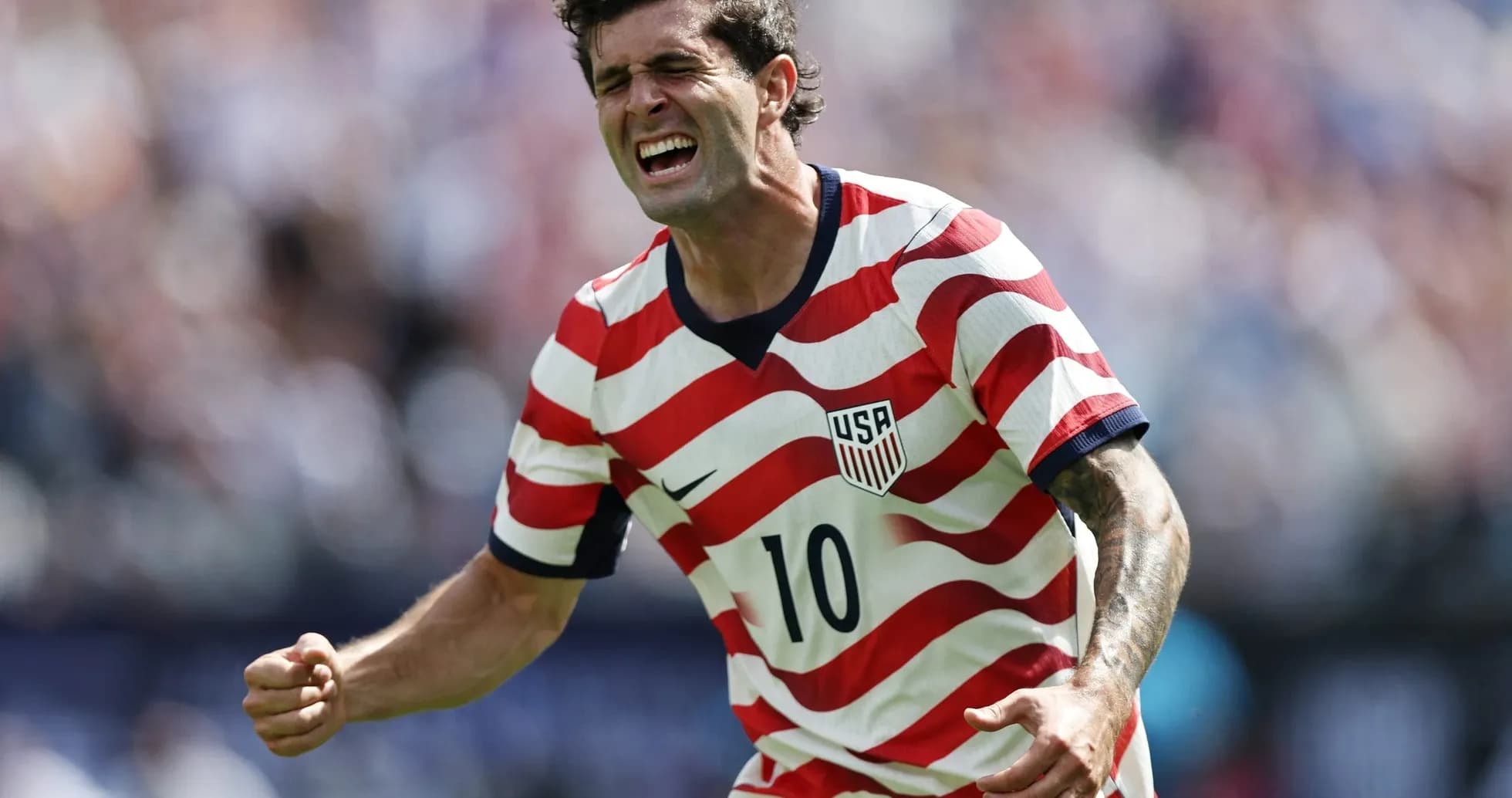
A high-stakes World Cup 1/8 final at Lumen Field pits group winners USA against group winners Belgium, with both sides coming off strong group stages (USA topping Group D with 6 points and a +4 goal difference, Belgium leading Group G with 5 points and a +4 goal difference). This knockout tie will largely define the success of their 2026 campaigns: for USA, it is a chance to turn an impressive group phase into a historic deep run at home; for Belgium, it is about converting control and consistency into another quarter-final berth and keeping their title ambitions alive.
Head-to-Head Tactical Summary
The most recent meeting came on 28 March 2026 in a Friendly International at Mercedes-Benz Stadium in Atlanta, where USA hosted Belgium. USA led 1-0 at half-time before Belgium levelled, and the match finished 2-5 in Belgium’s favour, underlining Belgium’s capacity to punish defensive lapses and accelerate the game in the second half. The last World Cup clash between these nations was on 1 July 2014 in the Round of 16 at Itaipava Arena Fonte Nova in Salvador. Belgium were the home team and dominated territorially but needed extra time after a 0-0 full-time scoreline; they eventually edged USA 2-1 after extra time. Across these two competitive and recent encounters, Belgium have consistently created enough chances to score multiple times, while USA have shown they can threaten in transition but struggle to contain Belgium’s sustained attacking waves over 90–120 minutes.
Global Season Picture
- League Phase Performance: In the group stage, USA finished first in Group D with 6 points from 3 matches, scoring 8 goals and conceding 4, for a +4 goal difference. Belgium topped Group G with 5 points from 3 matches, scoring 6 and conceding 2, also with a +4 goal difference. USA’s numbers point to a more open, high-scoring approach, while Belgium’s profile in the group stage was more controlled, with fewer goals conceded (2) and a slightly lower attacking output.
- Season Metrics: Across all competitions, USA have been an expansive, front-foot side: 10 goals scored and 4 conceded over 4 matches, averaging 2.5 goals for and 1.0 against per game. Their home fixtures in this cycle have been especially aggressive (2.7 goals scored and only 0.3 conceded on average), and they have yet to fail to score, underscoring a consistently dangerous attack. However, their only loss came away from home, 3-2, hinting at vulnerability when stretched. Belgium’s broader 2026 picture shows a balanced but potent team: 9 goals scored and 4 conceded over 4 matches, averaging 2.3 for and 1.0 against. Away from home they have been explosively efficient in a small sample (5 goals for, 1 against, 5.0 scored per game), and they have only failed to score once. Both teams show disciplined but not overly conservative card profiles, with USA’s bookings spread across the middle and late phases of matches and one red card late on, while Belgium also have a red card in the 61–75 minute window, indicating that game-state pressure can trigger disciplinary risks for both.
- Form Trajectory: In the group stage, USA’s form string of “WLWW” reflects a strong upward trajectory: an initial win, a setback, and then back-to-back victories to secure top spot, suggesting resilience and the ability to respond quickly to adversity. Belgium’s “WWDD” in the group stage shows a team that started fast with two wins and then shifted into a more conservative, game-management mode with two draws once qualification and seeding were within reach. USA arrive with momentum and attacking confidence; Belgium arrive unbeaten, with a profile built on control and risk management.
Tactical Efficiency
Across all competitions, USA’s attacking output (2.5 goals per game, never failing to score) points to a high-variance, proactive approach that leans on fluid front lines and aggressive full-backs. Defensively, the average of 1.0 goal conceded per match masks a split: they are very solid at “home” in this cycle but more exposed when forced into stretched, transition-heavy games, as highlighted by the 5 goals conceded to Belgium in Atlanta and the 3 conceded in their only away loss. Belgium’s 2.3 goals scored and 1.0 conceded per game depict a more balanced efficiency: their attack can spike (notably 5 goals away) but is usually built on structure rather than chaos, and their defence has yet to be breached more than once in any 2026 outing. In tactical terms, USA’s offensive efficiency is high but comes with defensive trade-offs, while Belgium’s efficiency is rooted in stability and selective acceleration. That contrast suggests a knockout tie where USA will try to raise tempo and volume of chances, and Belgium will look to control rhythm, compress space between the lines, and rely on superior shot selection and game management to tilt marginal phases in their favour.
The Verdict: Seasonal Impact
For USA, a win here would transform a strong home World Cup into a genuine breakthrough, matching and potentially surpassing their modern World Cup benchmarks by reaching the quarter-finals and keeping alive a realistic path to the last four. It would validate their attacking-first identity and reinforce the idea that they can outscore elite European opposition on the biggest stage. A defeat, especially if it again exposes defensive fragilities against Belgium, would reframe 2026 as a positive but ultimately conventional campaign: group-stage success but a familiar ceiling in the first knockout round, with clear off-season priorities around defensive structure and game management against top-tier attacks. For Belgium, progression would be the minimum requirement to sustain any title narrative; reaching the quarter-finals would confirm that their current cycle remains competitive at the sharp end of the World Cup and that their controlled group-stage approach scales into knockout efficiency. An exit here, after topping their group and having dominated the recent head-to-heads, would be a significant underperformance and could signal the end of this core’s realistic window to challenge for a major trophy. In seasonal terms, this 1/8 final is a hinge fixture: it will either anchor both teams’ 2026 stories as a platform for a deep run or define the limit of their ambitions in a tournament where both arrived in strong form.