Tottenham vs Brighton: Tactical Battle Ends in 2-2 Draw
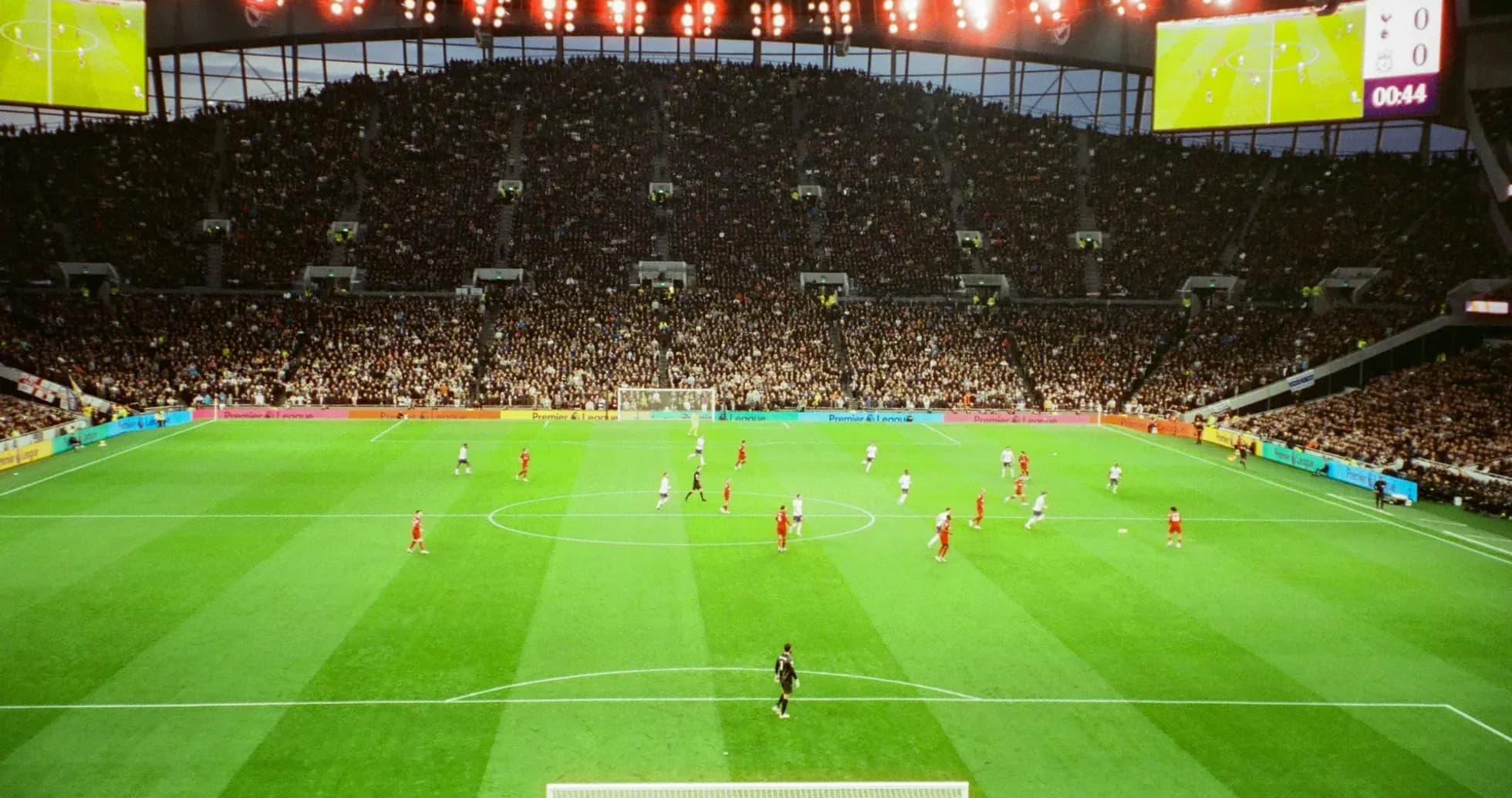
Under the grey April sky at Tottenham Hotspur Stadium, a 2-2 draw between Tottenham and Brighton felt less like a mid-table dead rubber and more like a tactical case study in two contrasting footballing identities colliding under pressure.
I. The Big Picture – Context and Seasonal DNA
Following this result, the table tells a stark story for the hosts. Tottenham sit 18th in the Premier League with 31 points from 33 matches, locked in the relegation places and carrying a goal difference of -11, built from 42 goals scored and 53 conceded overall. At home they have been fragile: only 2 wins from 17, with 20 goals for and 30 against. Their seasonal DNA is chaotic – a form line of “DLLDL” heading into this game and a campaign narrative of volatility, reflected in a longest losing streak of 5 and only brief winning runs of 2.
Brighton, by contrast, remain in the relative comfort of 9th, on 47 points after 33 matches, with a positive goal difference of 6 (45 scored, 39 conceded overall). Fabian Hurzeler’s side have been steady rather than spectacular, with a recent form pattern of “DWWWL” heading into this fixture and a balanced profile: at home they average 1.5 goals for and 1.1 against, while on their travels they still manage 1.2 goals scored and 1.3 conceded.
On the day, the scoreline mirrored those season-long traits. Tottenham’s 4-3-3 under Roberto De Zerbi was bold and front-foot, but defensively brittle. Brighton’s 4-2-3-1 was more controlled, structurally clear, and comfortable in long phases of possession, yet still vulnerable when forced backwards.
II. Tactical Voids – Absences and Discipline
The team sheets were shaped as much by who was missing as by who started. Tottenham were without a spine of first-choice quality: C. Romero (knee injury), G. Vicario (groin injury), D. Kulusevski (knee injury), M. Kudus (muscle injury), W. Odobert (knee injury) and B. Davies (ankle injury) all listed as “Missing Fixture”. The absence of Romero, one of the league’s most aggressive and proactive defenders, and Vicario, the established No.1, forced De Zerbi into a reconfigured back line with A. Kinsky in goal and K. Danso partnering M. van de Ven at centre-back.
That reshuffle mattered. Romero’s season numbers – 58 tackles, 14 successful blocks and 31 interceptions – highlight how much front-foot defending Tottenham lost. Van de Ven, who has 21 blocked shots and 22 interceptions this season, had to shoulder more responsibility as the left-sided anchor, but without Romero’s edge beside him, Tottenham’s back four felt more reactive.
Further up, the absence of Kudus and Kulusevski stripped the hosts of two high-volume ball carriers and creators, increasing the creative burden on X. Simons and the central trio of Y. Bissouma, R. Bentancur and C. Gallagher.
Brighton had their own voids. L. Dunk, suspended due to yellow cards, and A. Webster (knee injury) removed both experience and aerial dominance from the heart of their defence. Dunk’s season line – 10 yellow cards, 26 blocked shots and 29 interceptions – underlines how central he is to Brighton’s defensive organisation. In his absence, J. P. van Hecke became the de facto defensive leader, supported by O. Boscagli and full-backs M. Wieffer and F. Kadioglu.
Disciplinary profiles also framed the match’s edge. Tottenham are a card-prone side: their yellow-card distribution peaks between 61-75 minutes with 24.10% of their cautions, and they have seen red in multiple first-half windows (25.00% of reds between 16-30 minutes, 50.00% between 31-45, and another 25.00% in added time). Brighton’s yellows spike between 46-60 minutes (28.40%), suggesting a team that often has to recalibrate its aggression right after half-time. This undercurrent of risk influenced how both midfields tackled transitions as the game wore on.
III. Key Matchups – Hunter vs Shield, and the Engine Room
The “Hunter vs Shield” duel was embodied by D. Welbeck and the patched-up Tottenham defence. Welbeck arrived as one of the league’s more efficient forwards this season: 12 goals from 32 appearances, with 40 shots and 24 on target. His movement between the lines and into the channels tested the coordination of Danso and van de Ven, especially with Kinsky behind them rather than Vicario.
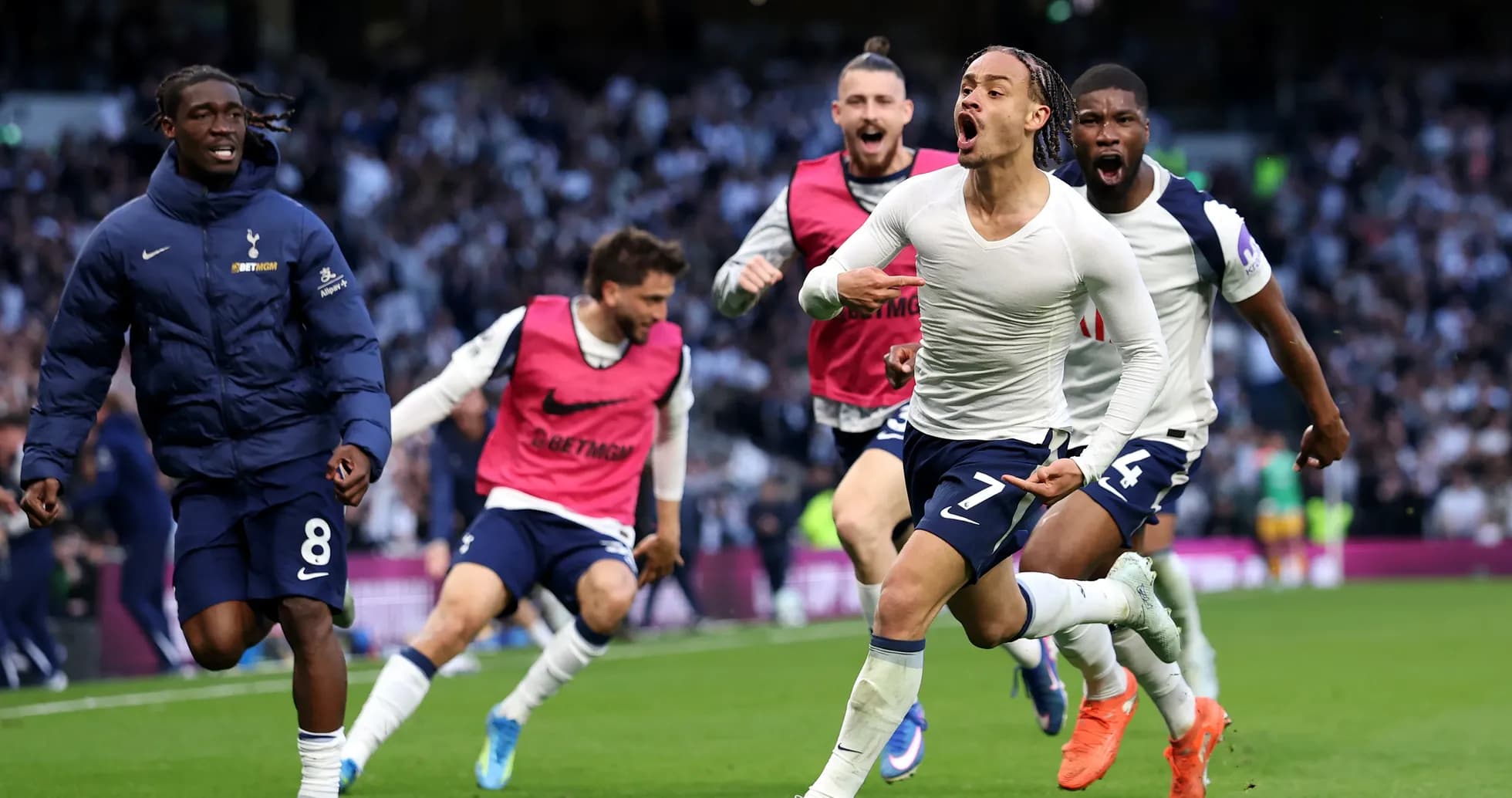
Tottenham’s own attacking threat was multi-pronged. D. Solanke led the line, flanked by R. Kolo Muani and X. Simons. Simons, one of the league’s top assist providers with 5 assists and 32 key passes, was the creative fulcrum cutting inside from the flank. His 67 dribble attempts, with 30 successful, speak to a player who constantly looks to break structure. Against Brighton’s double pivot of P. Gross and Y. Ayari, Simons’ positioning between the lines forced Brighton’s centre-backs and midfielders into difficult choices: step out and risk being played around, or sit off and allow Tottenham’s front three to turn.
In the “Engine Room”, Bissouma and Bentancur carried dual mandates: protect a vulnerable back four and provide progression. Gallagher’s energy ahead of them was vital in pressing Brighton’s build-up, especially against a side that habitually starts from the back through Verbruggen, van Hecke and Gross. For Brighton, D. Gomez was the enforcer and disruptor. His season numbers – 77 tackles, 48 fouls committed and 9 yellow cards – underline his role as the side’s primary breaker of rhythm. His duels with Simons and Kolo Muani were a running subplot, as he tried to prevent Tottenham’s forwards from turning into space.
Without Dunk, van Hecke’s individual duel with Solanke became central. Van Hecke’s 27 blocked shots and 36 interceptions this season show a defender adept at reading danger; his timing in stepping out of the line was crucial in limiting Solanke’s touches in the box.
IV. Statistical Prognosis – What the Numbers Say About This 2-2
Following this result, the underlying season data still paints Tottenham as an open, high-variance side. Overall they average 1.3 goals scored and 1.6 conceded per game, with a particularly poor home defensive record of 1.8 goals against per match. Brighton remain more balanced, averaging 1.4 goals for and 1.2 against overall, with slightly tighter numbers at home but still resilient away.
Penalty data adds another layer. Brighton have taken 3 penalties this season and scored all 3, a 100.00% conversion rate, a rare pocket of ruthlessness in a league where margins are thin. Welbeck himself has a more mixed record from the spot, with 1 scored and 2 missed, a detail that underscores why Hurzeler may look to spread penalty duties despite the team’s perfect collective record this season. Tottenham, by contrast, have not had a single league penalty this campaign; their penalty line reads 0 taken, 0 scored, 0 missed, which hints at a side that spends plenty of time in advanced areas but perhaps not enough in truly decisive, contact-heavy zones of the box.
Defensively, both teams lean heavily on their centre-backs to absorb pressure. Van de Ven’s 21 blocks and van Hecke’s 27 stand out: these are defenders who do not just hold lines but actively intervene. Yet Tottenham’s overall concession rate suggests that such individual heroics are compensating for structural fragilities, especially at home.
In narrative terms, this 2-2 draw felt like a microcosm of both seasons. Tottenham were again expansive, again entertaining, and again unable to close the back door. Brighton, even without Dunk, showed their capacity to control large stretches and create enough to score twice away from home, but could not quite convert their structural superiority into three points.
In the end, at Tottenham Hotspur Stadium, the scoreline felt fair: two teams true to their statistical identities, locked in a contest where structure met chaos and neither quite had enough to tip the balance.