
Al-Hilal Changes Hands: A New Era for Saudi Football
Al-Hilal, Saudi Arabia’s most decorated club and a cornerstone of the kingdom’s football project, is changing hands again at the very top.
The Public Investment Fund (PIF) has sold 70 percent of its stake in the Riyadh giants to Kingdom Holding Company (KHC), the investment vehicle of Prince Alwaleed bin Talal, in a deal that values Al-Hilal’s share capital at 1.4 billion Saudi riyals ($373 million). PIF retains a minority stake, but the balance of power has shifted.
For a club that has become the flagship of Saudi football’s global push, this is no routine transaction. It is a statement.
A national symbol, a new power
“Al-Hilal is a national symbol and a source of pride for the Saudi people,” Prince Alwaleed said in a statement, framing the move not as a mere portfolio play but as a matter of identity and ambition.
“This acquisition expresses our deep belief in the power of sports as a unifying force and a catalyst for national development. By applying our global investment standards and cultivating strategic partnerships, we will unlock Al-Hilal's full potential while preserving its history and identity.”
Those words land in a club that has already been radically reshaped by state-backed money. When PIF moved in back in 2023, taking majority control of Al-Hilal along with Al-Nassr, Al-Ahli and Al-Ittihad, it supercharged the Saudi Pro League overnight. The mandate was clear: turn domestic heavyweights into global brands.
The chequebook followed. The capital injection allowed Al-Hilal to raid Europe’s elite, luring a stream of foreign stars. Neymar’s arrival from Paris Saint-Germain became the headline signing, a symbol of Saudi Arabia’s intent before his departure in January 2025. Others followed, each one reinforcing the sense that Riyadh had become a serious destination, not a retirement tour.
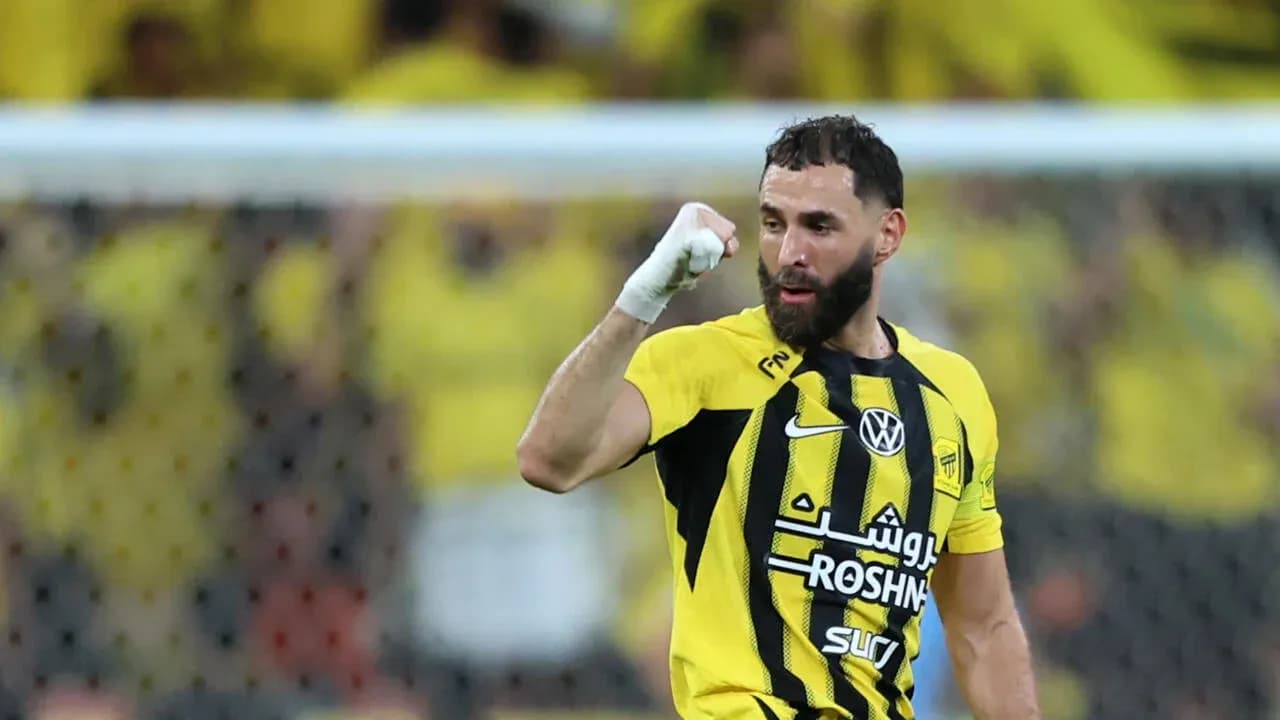
Most recently, French striker Karim Benzema, who had joined Al-Ittihad from Real Madrid, tore up his contract in Jeddah and crossed the divide to sign for Al-Hilal. It was another high-profile twist in a league increasingly defined by its ability to reshape careers and redraw loyalties.
PIF steps back – but not away
Now, PIF is stepping out of the spotlight at Al-Hilal, at least partially. The sovereign fund, chaired by Crown Prince Mohammed bin Salman, framed the sale as a strategic recalibration rather than a retreat.
“The sale aligns with PIF's strategy to maximize returns and redeploy capital within the domestic economy,” the fund said. “This strategy supports PIF's wider efforts to drive the development and diversification of Saudi Arabia.”
PIF stressed that it had “led the transformation of Al-Hilal… empowering it to achieve significant growth in value,” and underlined that, as a remaining shareholder, it will “continue supporting Al-Hilal's growth journey.”
The message is clear: PIF wants to cash in on value it has helped create, recycle funds into new projects, and still keep a hand on the wheel.
A club at the crossroads of politics and sport
The timing is striking. The deal lands as PIF faces renewed scrutiny over its broader sporting ventures, particularly its backing of LIV Golf. Reports have circulated that the breakaway golf tour is on the brink of collapse amid the possible withdrawal of Saudi financing, casting fresh attention on how and where the kingdom deploys its sporting capital.
Against that backdrop, the Al-Hilal sale looks like part of a wider recalibration of Saudi sports investment. Football remains the showpiece. Domestic clubs, fronted by global stars, are central to the kingdom’s soft power play and its Vision 2030 diversification agenda.
By bringing in Kingdom Holding Company as majority owner, Al-Hilal now sits at the intersection of two of Saudi Arabia’s most powerful financial engines: the state’s sovereign wealth fund and one of its most prominent private investment groups. It is a blend of public ambition and private capital that could redefine how the club is run.
KHC, led by Prince Alwaleed, has long positioned itself as a global investor, with stakes across sectors and continents. Now it takes charge of a club that has become a key cultural asset at home and a billboard abroad.
The expectations are obvious. Preserve the badge. Grow the brand. Keep winning – and keep spending smart.
As the Saudi Pro League continues its bid to disrupt the established order of world football, Al-Hilal, backed by a new majority owner and still tethered to PIF, remains at the sharp end of that experiment. The money has not gone away. It has simply changed pockets.



