Ternana W Defeats AC Milan W 1–0 in Serie A Women Finale
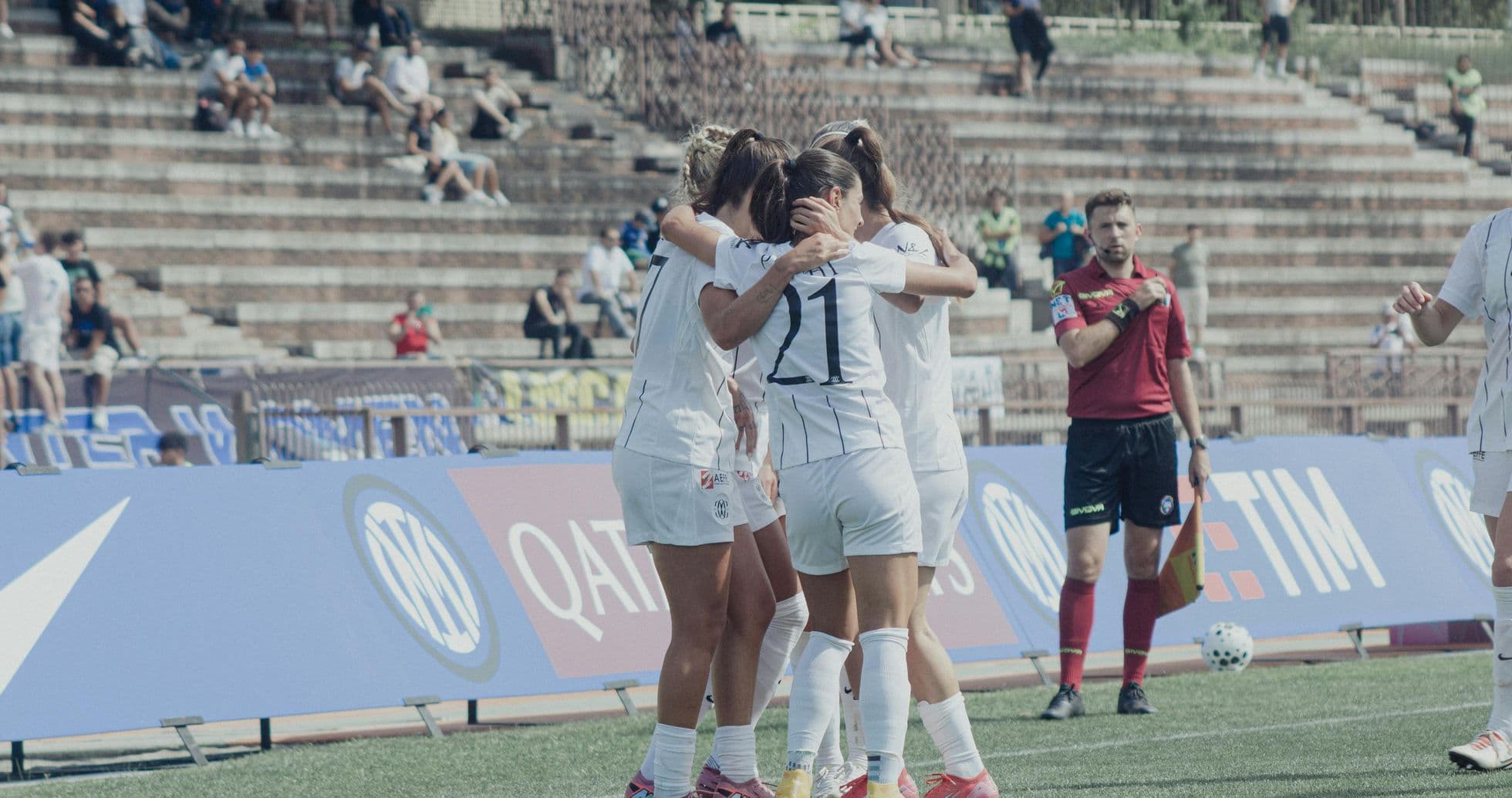
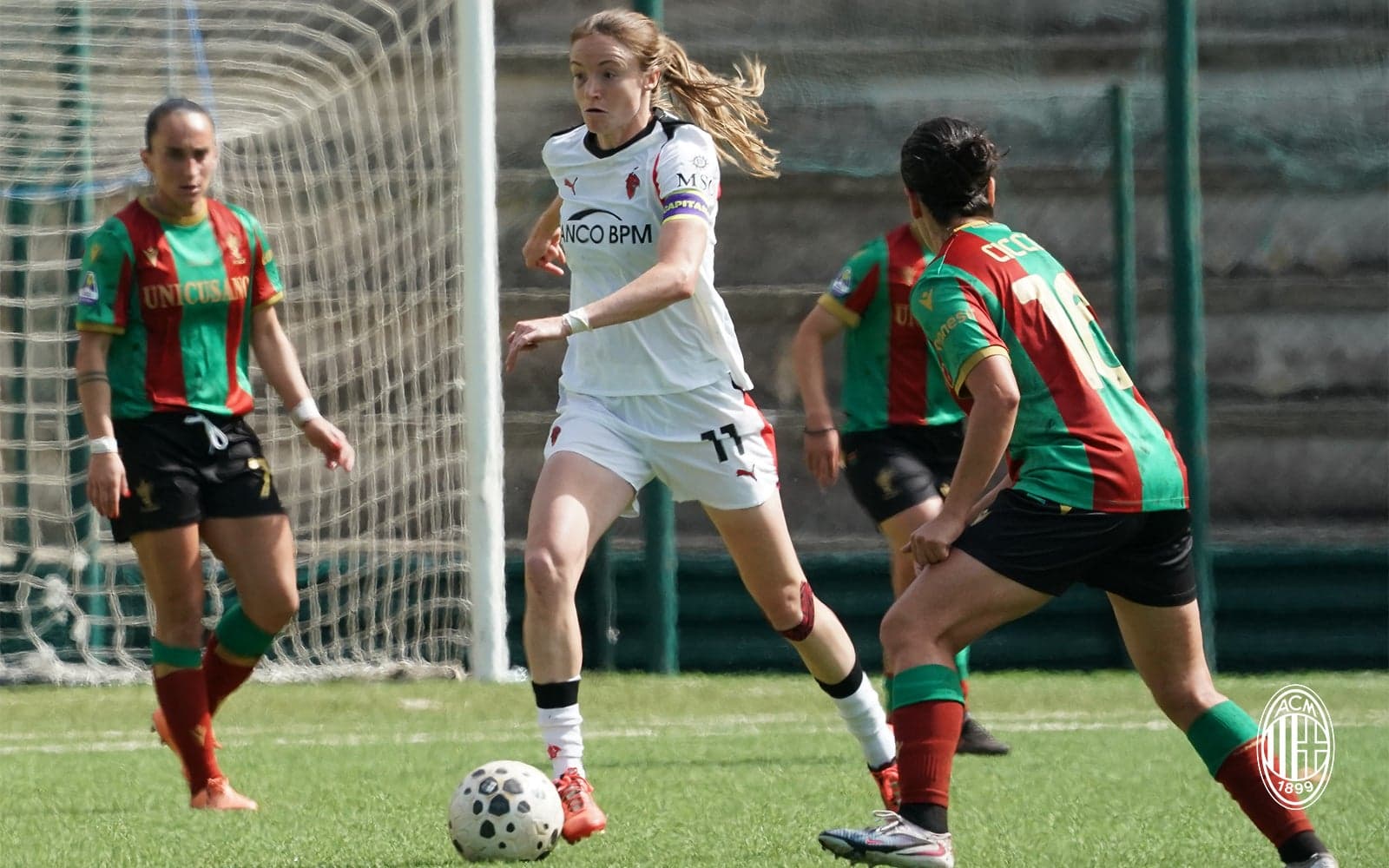
Stadio Libero Liberati had the feel of a season finale as Ternana W edged AC Milan W 1–0 in Serie A Women, Regular Season - 22. Under the watch of referee M. Picardi, the hosts closed their campaign with a statement: a clean sheet and a scalp against a side that finished higher up the table.
Following this result, the standings snapshot tells us how big this was for Ternana. They end the league in 10th place with 17 points, a goal difference of -21 (19 scored, 40 conceded overall). Their survival story has been written on home soil: at home they played 11, winning 3, drawing 4 and losing 4, with 15 goals for and 17 against. On their travels they were far more fragile, but in Terni they have at least been competitive.
AC Milan W, by contrast, finish 7th with 32 points and a goal difference of 5, scoring 31 and conceding 26 overall. Away from home they played 11, winning 4, drawing 2 and losing 5, with 13 goals for and 11 against. The numbers say they are usually solid on their travels; the scoreline in Terni says they left something on the table.
The 0–0 half-time score hinted at a tactical stalemate, but the 1–0 full-time outcome underlined Ternana’s capacity to suffer and strike, a late-season identity that has emerged despite a long, turbulent campaign (form string: LLLLLWDLLWLLLWDDDLDLLW).
Tactical Voids and Disciplinary Edges
There is no explicit injury list in the data, so absences must be read through selection choices. Ternana’s XI featured K. Schroffenegger in goal, shielded by a defensive unit built around C. Martins, E. Pacioni, M. Massimino and L. Peruzzo, with S. Breitner offering left-sided balance. In midfield, the experience of C. Ciccotti and A. Regazzoli was paired with the energy of M. Petrara and M. Porcarelli, while A. Gomes led the line.
Notably absent from the starting group were two of Ternana’s statistical pillars: top scorer V. Pirone (6 goals, 5 penalties scored, 1 missed) and standout midfielder Giada Cimò (3 goals, 1 assist). Whether through rotation or physical issues, Ternana went into this with their main “Hunter” in Pirone off the pitch, forcing Mauro Ardizzone to lean on collective pressing and transitional runs from Gomes and Porcarelli rather than a traditional penalty-box focal point.
AC Milan W’s coach Suzanne Bakker also made strong, perhaps experimental, choices. The back line was anchored by E. Koivisto and N. Sorelli, with K. De Sanders and M. Keijzer offering height and aggression. In midfield, V. Cernoia and M. Mascarello were tasked with controlling rhythm, while C. Grimshaw and M. Renzotti linked to a front line of E. Kamczyk and T. Kyvag.
The bench, however, told its own story. Key creative and disciplinary figures like Park Soo-Jeong (4 assists) and C. Dompig (1 goal, 1 assist but also 1 red card) were held in reserve. Kayleigh van Dooren, Milan’s 5-goal midfielder with a red card on her seasonal record, does not appear in this matchday squad, depriving Milan of their most prolific second-line runner.
Disciplinary patterns framed the contest even if no card breakdown is given for the 90 minutes. Heading into this game, Ternana’s yellow-card distribution showed a clear late-game spike: 25.00% of their yellows arrive between 76–90 minutes, with a further 17.86% in the 61–75 window. Their two reds this season both came in the 31–45 range. Milan, too, carry a late-game disciplinary edge: 30.00% of their yellows fall in the 76–90 window, and their three reds are spread one each across 46–60, 61–75 and 76–90. This statistical backdrop suggested a finale where fatigue and desperation could easily tilt into chaos. That Ternana navigated the final stretch without cracking is a subtle tactical triumph.
Key Matchups
Hunter vs Shield
Without Pirone on the pitch, the “Hunter” role for Ternana became more diffuse. A. Gomes, supported by Porcarelli and Petrara, had to test an away defence that, heading into this game, conceded only 1.0 goals on average away and just 11 away goals in 11 matches. Milan’s “Shield” is not spectacular but it is efficient; their biggest away defeat (4–3) hints at vulnerability in open games, not in tight, controlled ones.
Ternana’s season-long attacking profile at home — 15 home goals, an average of 1.4 per match — suggested that if they could drag Milan into a broken, transition-heavy contest, one goal might be enough. So it proved. The 1–0 final scoreline fits neatly within the numbers: Ternana rarely blow teams away, but at home they score just enough to make their resistance count.
Engine Room
The true theatre of this match was the midfield. For Milan, Mascarello arrived as a volume passer (368 passes overall with 77% accuracy, 15 key passes) and a disciplinary reference point (4 yellow cards). Her duel with Ternana’s interior pair — particularly Ciccotti and Regazzoli — was about more than possession; it was about tempo and territory.
On paper, Milan’s midfield has the better technical floor, especially when Cernoia and Grimshaw are involved. Grimshaw’s 2 assists, 11 key passes and 4 successful blocks make her the prototype of Bakker’s two-way midfielder, capable of both threading passes and protecting the half-spaces. Yet the narrative of the match suggests that Ternana’s collective compactness, with Breitner and Peruzzo tucking in, crowded those central lanes and forced Milan wide, where crosses were easier to defend.
The bench options only deepen the contrast. Ternana could call on V. Di Giammarino, a high-card, high-intensity midfielder (4 yellows, 16 tackles, 69 duels with 32 won), to stiffen the centre late on. Milan’s response could have been Park Soo-Jeong, whose 4 assists and 14 key passes mark her as one of the league’s more efficient final-third connectors. If she entered, her role would have been to break lines against an increasingly low Ternana block; if she did not, Milan’s attack remained more linear and cross-oriented.
Statistical Prognosis and Tactical Verdict
From an xG perspective — even without explicit values — the underlying data sketches a plausible model. Heading into this game, Ternana averaged 0.9 goals overall and conceded 1.8, while Milan averaged 1.4 scored and 1.2 conceded. A neutral projection would likely have leaned toward a narrow Milan win or a draw, with Milan generating slightly higher xG through territorial dominance and Ternana relying on set pieces or counters.
Yet the structural context matters. At home, Ternana’s attack (1.4 goals scored on average) almost perfectly meets Milan’s away defence (1.0 conceded), a narrow intersection that makes a 1–0 or 1–1 outcome far more likely than a goal-fest. On their travels, Milan’s 1.2 goals scored on average collide with a Ternana home defence that concedes 1.5; again, the model points to a one-goal margin either way.
The decisive factor, then, is game-state management. Ternana’s five clean sheets overall, three of them at home, show they can lock games down when the script suits them. Milan’s seven clean sheets overall, four away, underline their preference for control. In Terni, it was Ardizzone’s side that imposed the terms: compact lines in front of Schroffenegger, aggressive but measured interventions from Martins and Pacioni, and enough vertical threat from Gomes and Porcarelli to keep Milan’s back line honest.
Following this result, the narrative is clear. Ternana, statistically one of the league’s more fragile defences, authored a final-day performance that defied their overall 40 goals conceded. Milan, statistically superior and with a deeper creative bench, were held at arm’s length. If we were to convert the story into an xG verdict, it would read as a low-margin contest in which Ternana slightly over-performed their attacking baseline and finally aligned their defensive focus with the stakes of the occasion.
In tactical terms, the 1–0 is not an upset born of chaos but the logical outcome of a plan: concede territory, compress central spaces, and trust that one clean strike would be enough against an away side whose attacking numbers are steady rather than explosive. In Terni, for one afternoon, the numbers bent to the narrative.