Tampa Bay Rowdies vs Hartford Athletic: A Tactical Breakdown
Under the humid night lights of Al Lang Stadium, Tampa Bay Rowdies’ polished league form met a stubborn Hartford Athletic side that has made a habit of spoiling scripts on their travels. This USL Championship Group Stage tie, kicking off at 23:30 UTC, finished 0–1, a result that cuts across the grain of the season’s broader narrative.
Heading into this game, Tampa Bay were the benchmark in USL 1: 1st in the table with 28 points from 13 matches, a formidable goal difference of 13 (21 scored, 8 conceded overall), and a relentless form line of “WWWWDDWDWWWDL”. At home they had been particularly assertive, with 4 wins, 2 draws, and just 1 defeat from 7, averaging 2.0 goals for and 0.9 against at Al Lang. Hartford arrived as the division’s awkward puzzle: 7th with 17 points from 11 games, goal difference at 0 (10 for, 10 against overall), but quietly efficient away — 3 wins, 2 draws, 1 loss on their travels, scoring 1.0 and conceding only 0.5 away on average.
That context makes Hartford’s 1–0 away win feel less like an upset and more like the logical extension of their road identity: compact, disciplined, and opportunistic.
I. The Big Picture: Styles Collide
Tampa Bay’s seasonal DNA is clear. Overall they average 1.6 goals for and just 0.6 against, built on a platform of control and clean sheets (7 in total, 3 at home, 4 away). They rarely fail to score — only once in total before this fixture — and at home they’ve been able to overwhelm opponents with a blend of tempo and variety. Their biggest home win, 3–0, hints at a side that can turn pressure into a decisive surge.
Hartford, by contrast, are defined by balance and defensive resilience. Overall they sit at 0.9 goals scored and 0.9 conceded, but the split is stark: at home they struggle (0.8 for, 1.4 against), while away they are transformed — 1.0 scored, just 0.5 conceded on their travels, with 4 away clean sheets from 6. Their biggest away win, 0–3, and their tightest away loss, 2–0, underline a team comfortable in deep blocks and quick transitions.
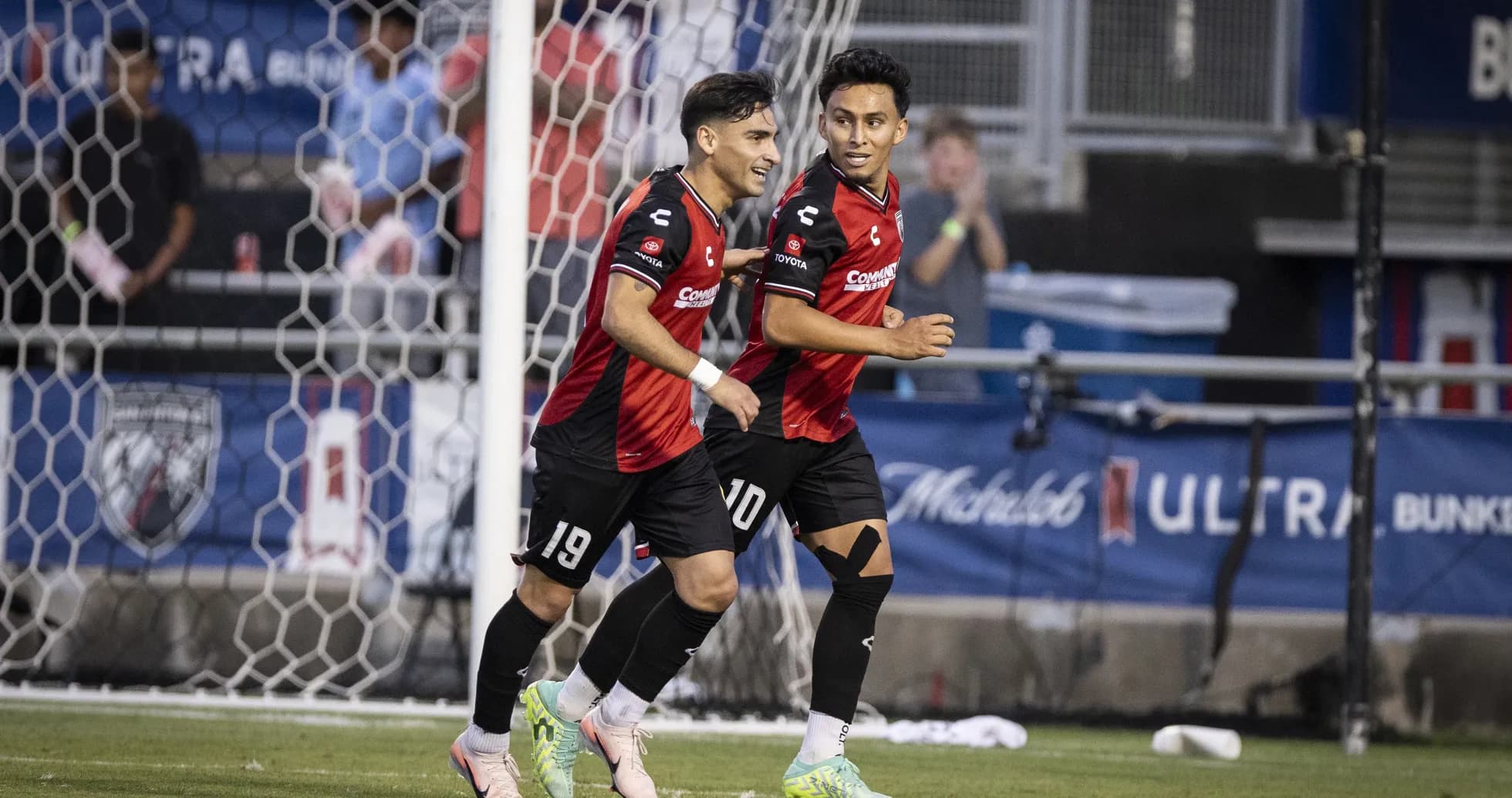
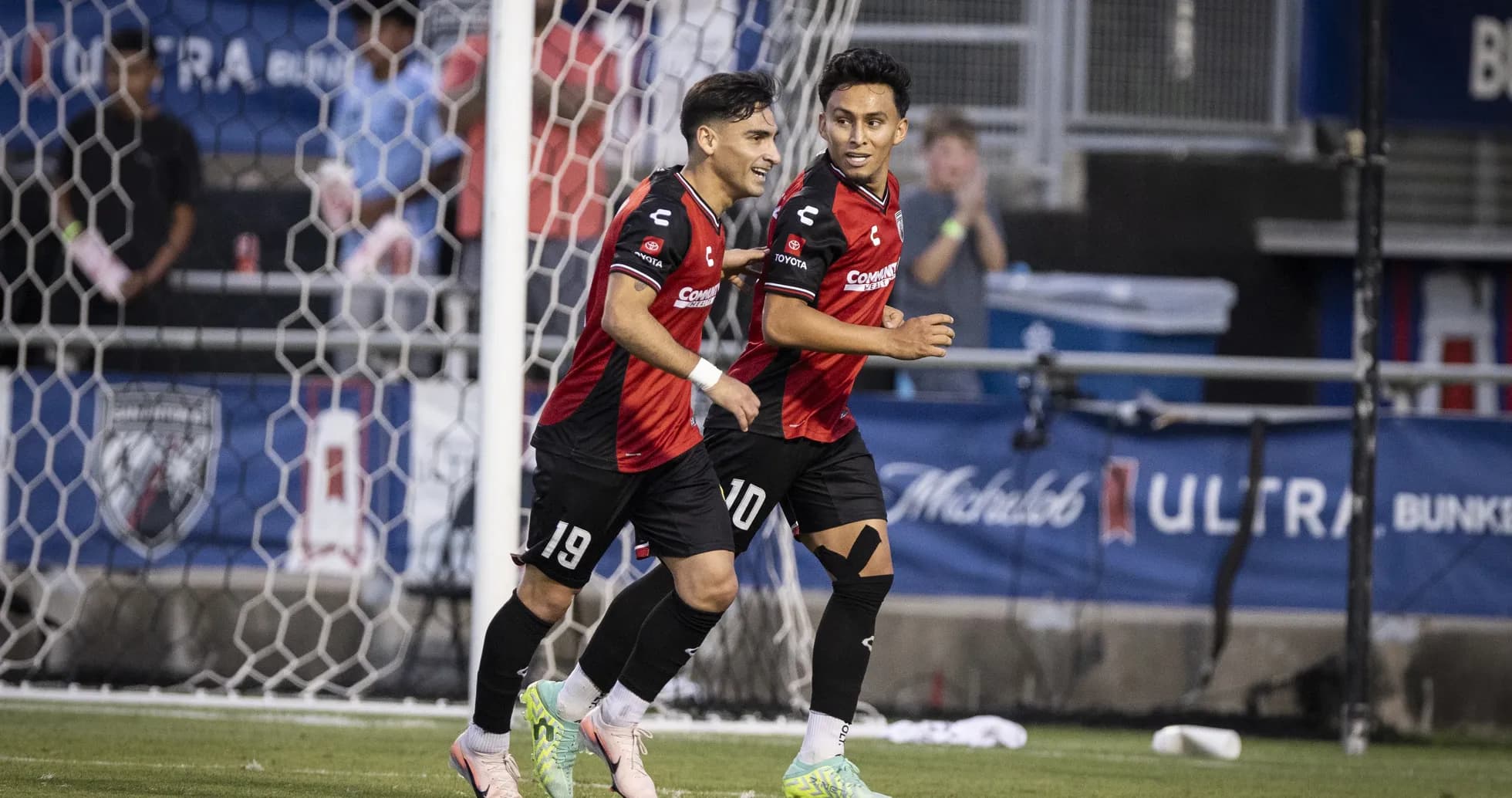
At Al Lang, those identities crystallized. Tampa Bay controlled the ball and territory but found themselves funneled into Hartford’s defensive structure. The half-time scoreline of 0–1 framed the night: Hartford grabbed their moment early, then trusted their away metrics to see it out.
II. Tactical Voids and Discipline
There were no explicit absences flagged in the data, so the tactical voids here were structural rather than personnel-driven.
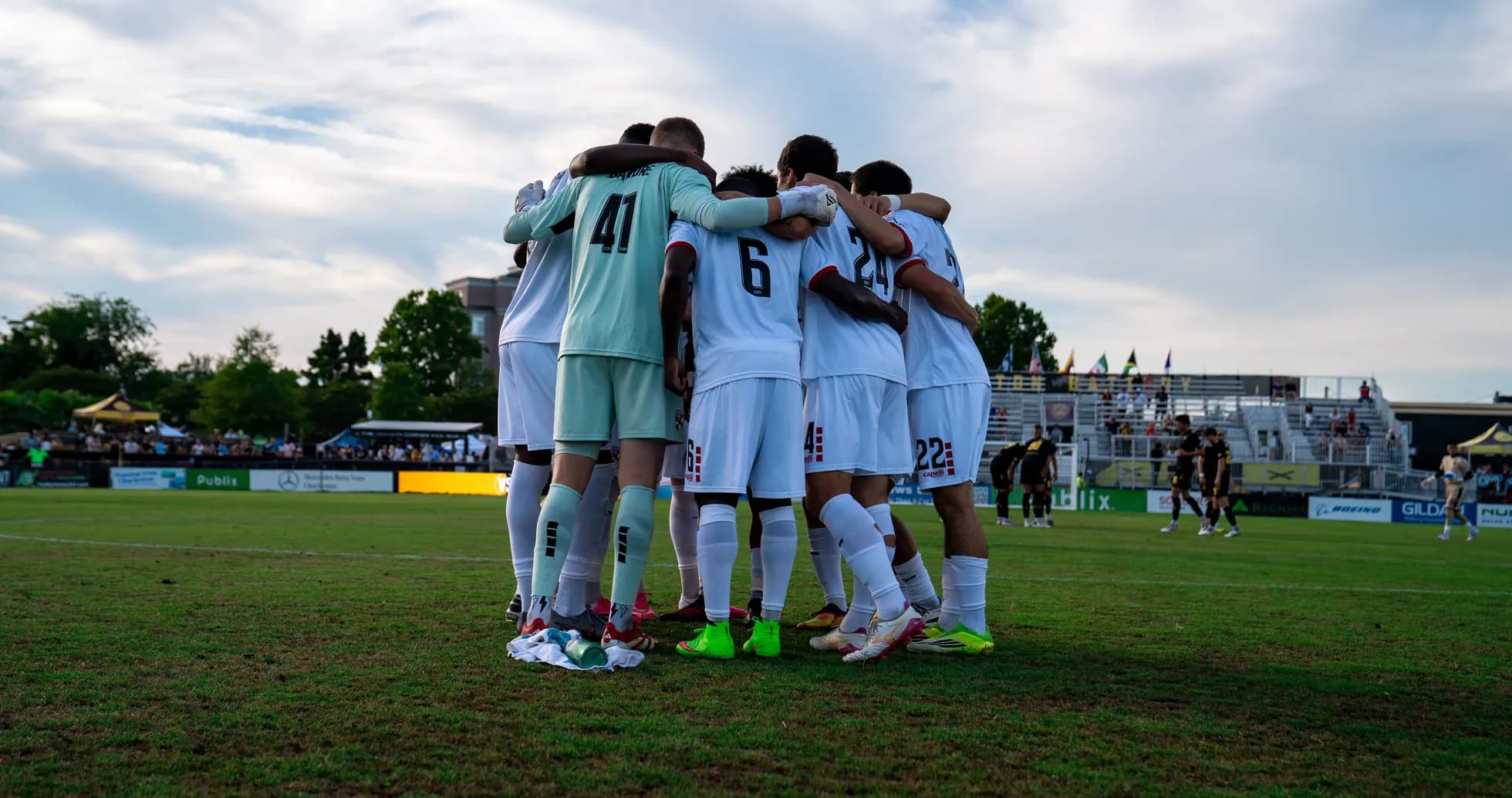
For Tampa Bay, the starting XI suggested a flexible, ball-playing core. A. Pack and S. Cruz formed the spine from the back, with B. Schaefer and N. Dossantos offering balance in the defensive line. I. LeFlore and L. Perez provided width and progression lanes, while Pedro Becker and E. Conway hinted at verticality and late runs. M. Micaletto and Mattheus operated as creative connectors into M. Myers, the central reference point up front.
Yet the Rowdies’ usual late-game edge never quite materialized. Their season-long card profile hints at a side that often grows more aggressive as games wear on: 24.32% of their yellow cards come between 76–90 minutes, and 21.62% between 61–75, a clear late-game surge of intensity. That edge can be a weapon, but it also reflects frustration when dominance doesn’t translate into goals — a theme that fit this 0–1 home defeat.
Hartford’s disciplinary map is more complex. They accumulate yellows in waves: 21.43% between 46–60, 21.43% between 76–90, and a striking 21.43% in the 91–105 range. They also have red cards clustered late, with 50.00% of their reds between 76–90 and 50.00% between 91–105. This is a team that pushes the limits when protecting a lead or chasing a result. At Al Lang, that edge likely manifested in a rugged, line-holding performance once they were ahead.
III. Key Matchups: Hunter vs Shield, Engine Room vs Enforcer
Without explicit top-scorer data, the “Hunter vs Shield” narrative becomes collective rather than individual.
The Hunter was Tampa Bay’s attack as a unit. At home they average 2.0 goals, with a biggest home haul of 3, and they had only failed to score once overall before this match. The Shield was Hartford’s away defensive record: just 3 goals conceded in 6 away fixtures, 4 away clean sheets, and a structure built around the likes of J. Scarlett and B. Njie in the back line, shielded by S. Anderson and J. Moreira.
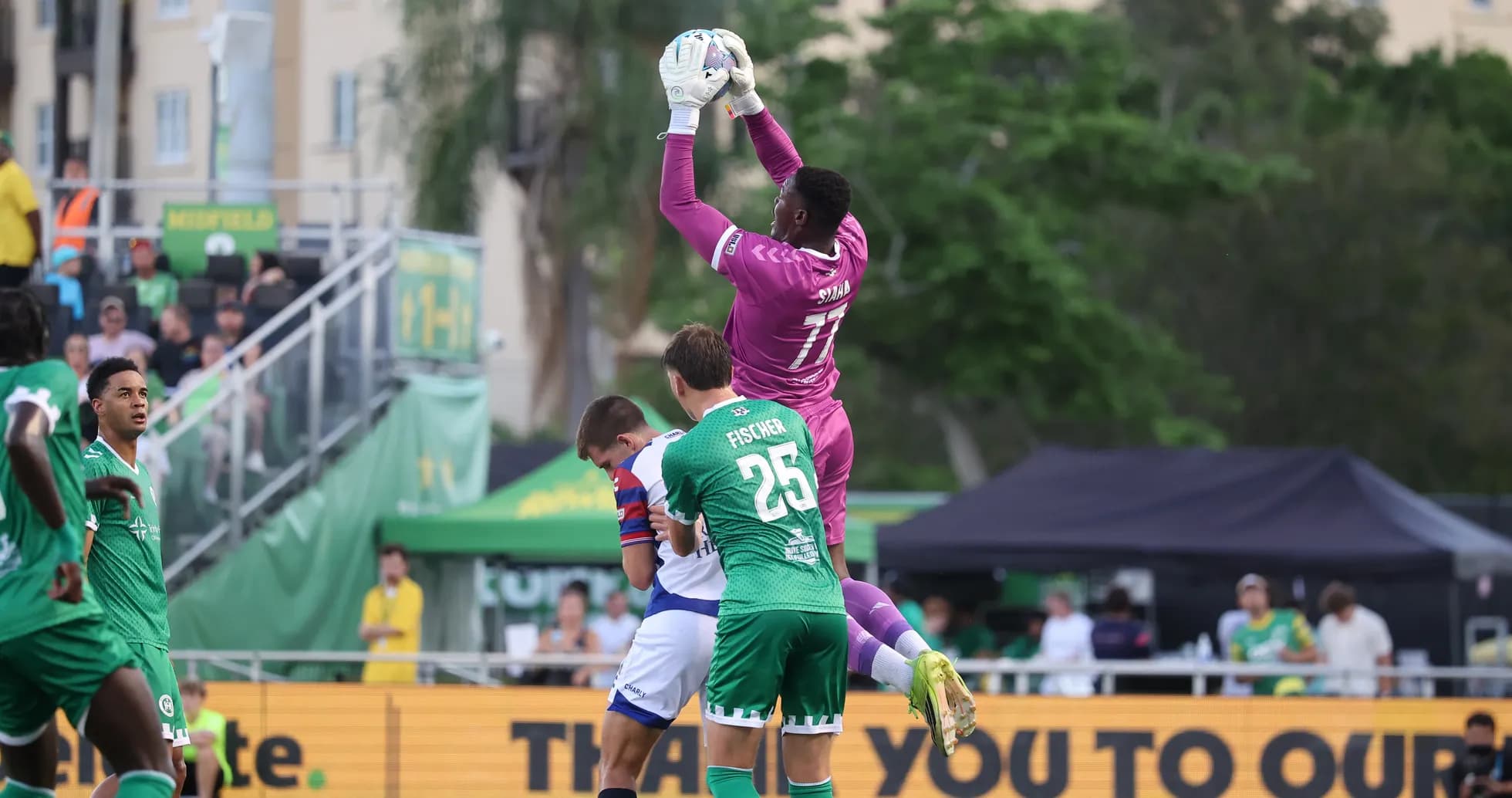
On the night, the Shield won. Hartford’s back four, anchored by A. Siaha in goal, absorbed Tampa’s pressure and protected the central corridor where Myers, Micaletto, and Mattheus like to combine. Every minute that passed after the early goal reinforced Hartford’s comfort in the scenario: deep block, narrow lines, and selective pressing triggers.
In the engine room, Pedro Becker and E. Conway were tasked with breaking lines and sustaining tempo for Tampa Bay. Opposite them, S. Careaga and B. Coffey formed Hartford’s central brain, alternating between screening and springing transitions toward E. Samadia and M. Ngalina. Hartford’s midfield didn’t need to dominate the ball; they needed to deny Tampa clean entries between the lines and to turn every turnover into a chance to breathe and reset.
IV. Statistical Prognosis and What Comes Next
Following this result, the numbers will slightly soften Tampa Bay’s aura of invincibility at home, but not their status as a top seed. Their overall goal difference of 13 remains a testament to their consistency, and their clean-sheet count (7 in total) still speaks to defensive stability. The anomaly is the blank at home: for a side averaging 2.0 goals at Al Lang, a 0–1 defeat is a tactical lesson more than a structural crisis.
For Hartford, this win is a confirmation of their away blueprint. Their overall goal difference stays at 0 (10 for, 10 against), but the away split continues to shine: 6 goals scored, 3 conceded, and now another clean sheet on the road. Their form line “WDWDDLDWLDW” already suggested a team that rarely gets blown away; this performance tightens their identity as one of the league’s most awkward away opponents.
In xG terms — even without raw values — the pattern is familiar. Tampa Bay’s territorial dominance and seasonal scoring rate would have implied a higher expected goals figure than the scoreboard delivered. Hartford’s model is the opposite: low-volume, high-leverage chances, with defensive solidity trimming opponents’ xG below their season averages.
Tactically, Tampa Bay will revisit how they attack compact, well-drilled back lines at home. More rotation between Micaletto, Mattheus, and Myers, earlier use of R. Cicerone or L. Hilton from the bench, and more aggressive use of LeFlore and Perez in wide overloads may be the adjustments.
Hartford, meanwhile, leave Al Lang with a clear message to the rest of USL 1: if you let them score first, their away defensive structure — Scarlett marshalling the back line, Siaha behind it, Careaga and Coffey in front — is built to make 1–0 feel like a mountain.