Tampa Bay Rowdies and Charleston Battery Battle to 2-2 Draw
Under the lights at Al Lang Stadium, the league leaders Tampa Bay Rowdies were forced into a reality check. Heading into this game, they sat 1st in USL 1 with 28 points from 12 matches, unbeaten, and with a commanding overall goal difference of 14, built on 21 goals scored and just 7 conceded. At home they had been ruthless: 14 goals for and 5 against across 6 fixtures, averaging 2.3 goals for and 0.8 against at Al Lang.
Charleston Battery arrived as the imperfect but dangerous contender. Heading into this game, they were 5th with 17 points from 11 matches, their overall goal difference a fragile 1 (16 scored, 15 conceded). The split between home and away told the story: at home, 12 goals for and 4 against; on their travels, only 4 goals scored and 11 conceded, with an away defensive average of 1.8 goals against per game.
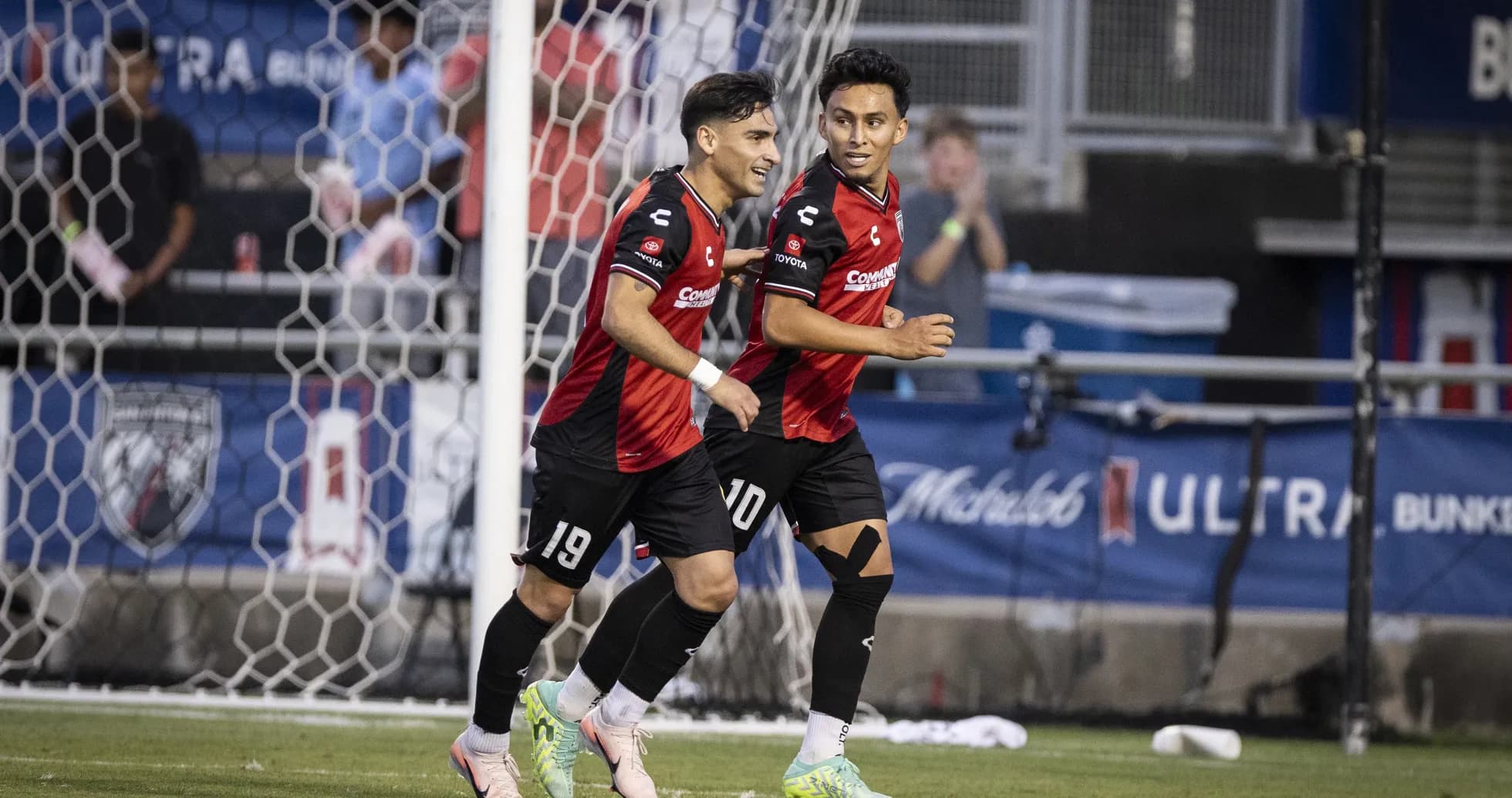
The 2-2 final scoreline, after Tampa Bay led 1-0 at half-time, felt like a collision between Tampa’s polished structure and Charleston’s volatility. For a Rowdies side that had not lost all season and had not failed to score in any league match, this was a reminder that game-state control can slip even for the most consistent leaders. For Charleston, it was a point that hints they may yet solve their away-day frailties.
Tactical Voids and Discipline
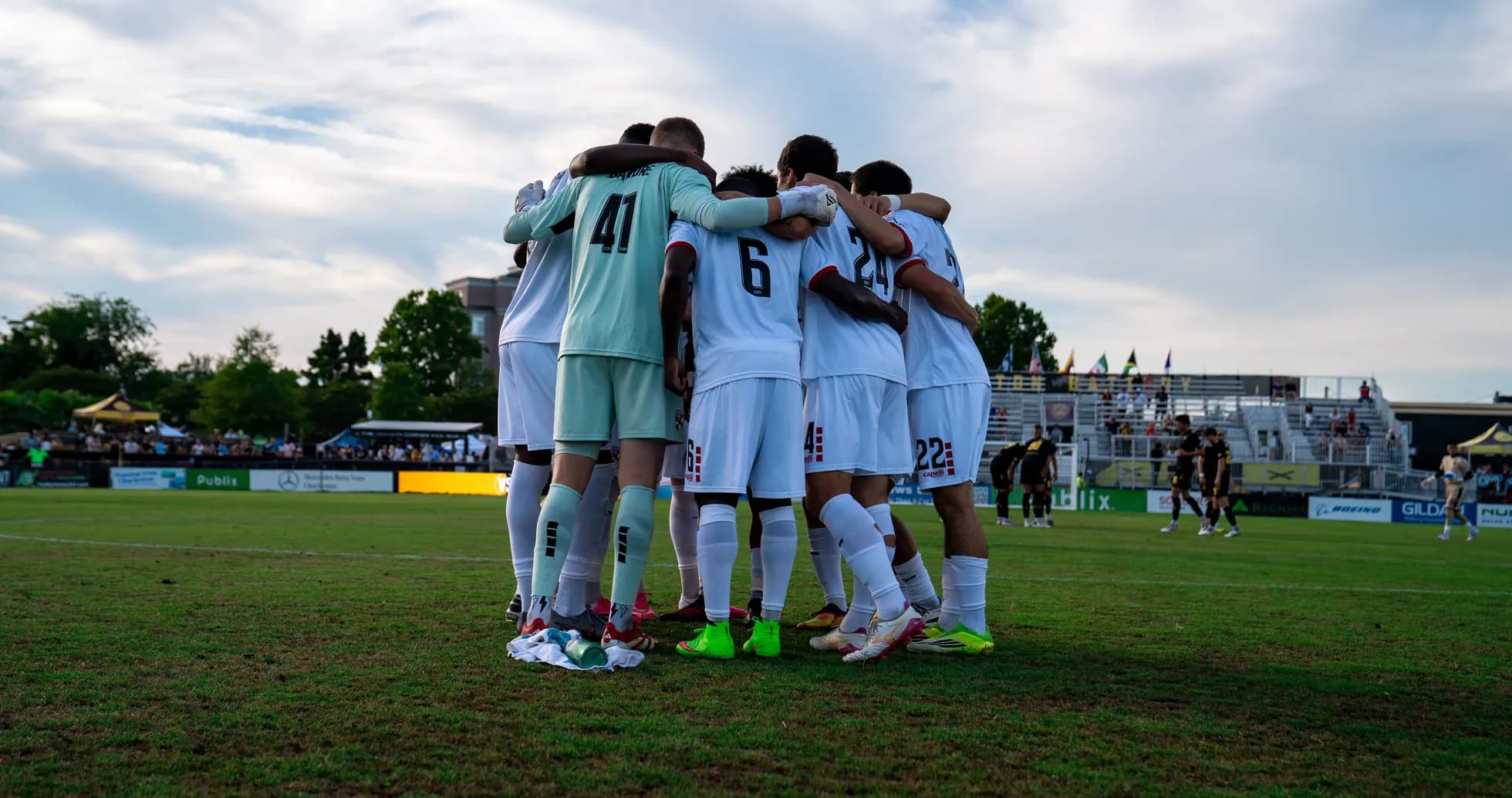
With no official list of absentees provided, both coaches appeared close to full strength, and the lineups underlined that. Dominic Casciato trusted a balanced Tampa core: J. Waite in goal; a defensive line anchored by L. Wyke and B. Schaefer, with N. Dossantos and C. Ostrem offering width; a midfield spine of S. Cruz, M. Schneider, and the creative presence of M. Micaletto; and an attacking trio spearheaded by M. Myers, supported by L. Perez.
On the opposite side, Ben Pirmann’s Charleston XI blended physicality and mobility: L. Zamudio between the posts; a defensive unit including D. Martinez, S. Suber, G. Smith, J. Akpunonu, and N. Messer; a midfield platform with C. Allan and E. Ycaza; and forward threats in M. Foster, J. Kelly, and M. Berry.
Disciplinary tendencies shaped the emotional temperature of the match. Heading into this game, Tampa Bay’s yellow-card distribution showed a clear late-game spike: 22.86% of their cautions came between 61-75 minutes and another 22.86% between 76-90. That pattern suggests a side that often defends a lead aggressively or tires as they protect their advantage. Charleston mirrored that volatility, with 24.00% of their yellows in the 31-45 window and another 24.00% from 76-90, underlining a group that plays on the edge in both the approach to half-time and the closing stages.
In a contest that finished level after 90 minutes, those profiles matter: a Rowdies side used to closing games with intensity met a Battery side that habitually surges emotionally in the same windows. The 2-2 outcome feels like the product of that shared, chaotic final act.
Key Matchups – Hunter vs Shield, Engine Room
Even without explicit top-scorer data, Tampa’s attacking “hunter” was defined by their collective numbers. Heading into this game, they averaged 1.8 goals per match overall and 2.3 at home, with no league match in which they had failed to score. M. Myers, leading the line, is the natural focal point of that production, supported by the intelligent movements of L. Perez and the late arrivals of M. Micaletto.
The “shield” Charleston brought was far from perfect. Overall, they conceded 1.4 goals per match, but the real stress point was away from home: 11 goals conceded in 6 away fixtures, an average of 1.8 per game. That away defensive profile suggested that Zamudio and his back line of Suber, Smith, and Akpunonu would be under heavy strain against Tampa’s multi-channel attack. The fact that Tampa still scored twice fits that statistical logic; the twist was Charleston’s ability to hit back for two of their own.
In the “Engine Room” matchup, S. Cruz and M. Schneider were tasked with dictating tempo and protecting Tampa’s defensive structure that, heading into this game, conceded only 0.6 goals per match overall and just 0.3 on their travels. At home, that defensive average of 0.8 goals against per game is still elite, built on compact spacing and disciplined pressing. Against them, Charleston’s midfield pairing of C. Allan and E. Ycaza had to solve two problems at once: progress the ball into dangerous zones and protect a defense that can be exposed in transition.
Ycaza’s role as connector, dropping to receive and then threading passes into the runs of Foster, Kelly, and Berry, was central to Charleston’s fightback. Tampa’s midfield, usually so secure, found themselves stretched more often than their defensive metrics would predict, a sign that Charleston’s rotations and second-phase pressing disrupted the Rowdies’ usual rhythm.
Statistical Prognosis and Tactical Verdict
Following this result, the statistical story around both squads subtly shifts. Tampa Bay remain a side defined by control: unbeaten, with a goal difference still rooted in defensive excellence and reliable attacking output. Their season-long numbers—21 goals for and 7 against overall—still portray a team with a strong xG differential profile, even if the raw xG figures are not provided. Scoring twice again at home aligns with an attack that consistently creates chances above league average.
Charleston’s draw at Al Lang, however, hints at a tactical evolution. Heading into this game, they had scored only 4 away goals in 6 matches and failed to score in 4 of those away fixtures. To put two past the best defense in the league, and do it on their travels, suggests a more assertive attacking plan: quicker vertical passes into Berry, more aggressive wide runs from Foster and Kelly, and a willingness from Messer and Martinez to step higher and compress the pitch.
From a predictive lens, Tampa’s underlying solidity remains intact; conceding twice in a single match looks more like a tactical outlier than a trend, given their season averages of 0.6 goals against overall. Their ability to score in every fixture, never once failing to find the net, points to a sustainably high attacking xG.
For Charleston, the prognosis is more nuanced. Their away defensive average of 1.8 goals conceded remains a concern, and even here they allowed Tampa to hit their usual two-goal benchmark. Yet the newfound attacking punch away from home could rebalance their season. If Pirmann can maintain this more courageous structure without further inflating that away goals-against column, Charleston transform from erratic traveler into genuine playoff disruptor.
In narrative terms, this 2-2 at Al Lang felt like a dress rehearsal for knockout football: the leaders reminded that margins can shrink, the chasers discovering that, even against the division’s most complete side, their best version can trade blows for 90 minutes.