Tactical Stalemate at Selhurst Park: Crystal Palace vs West Ham
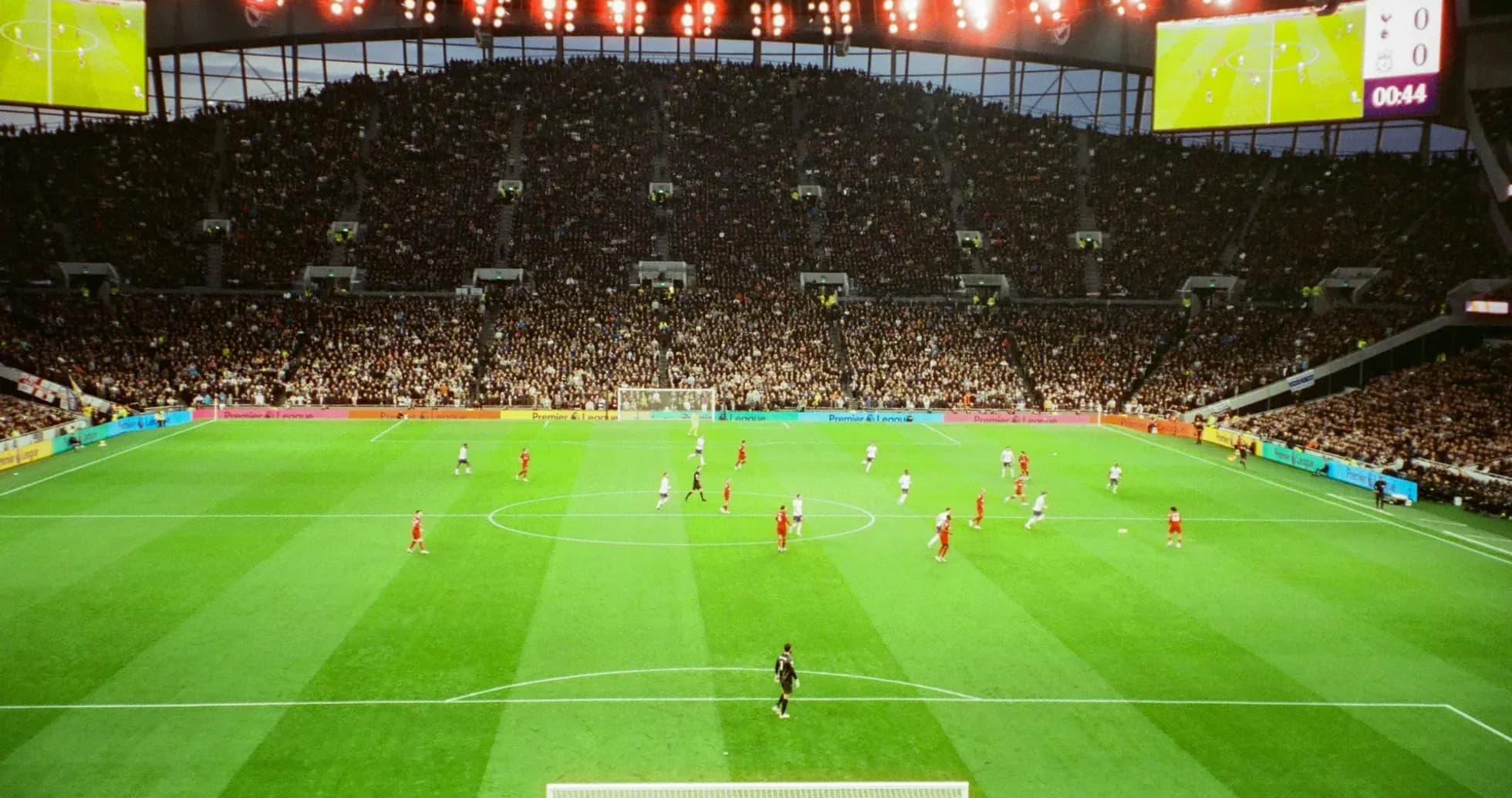
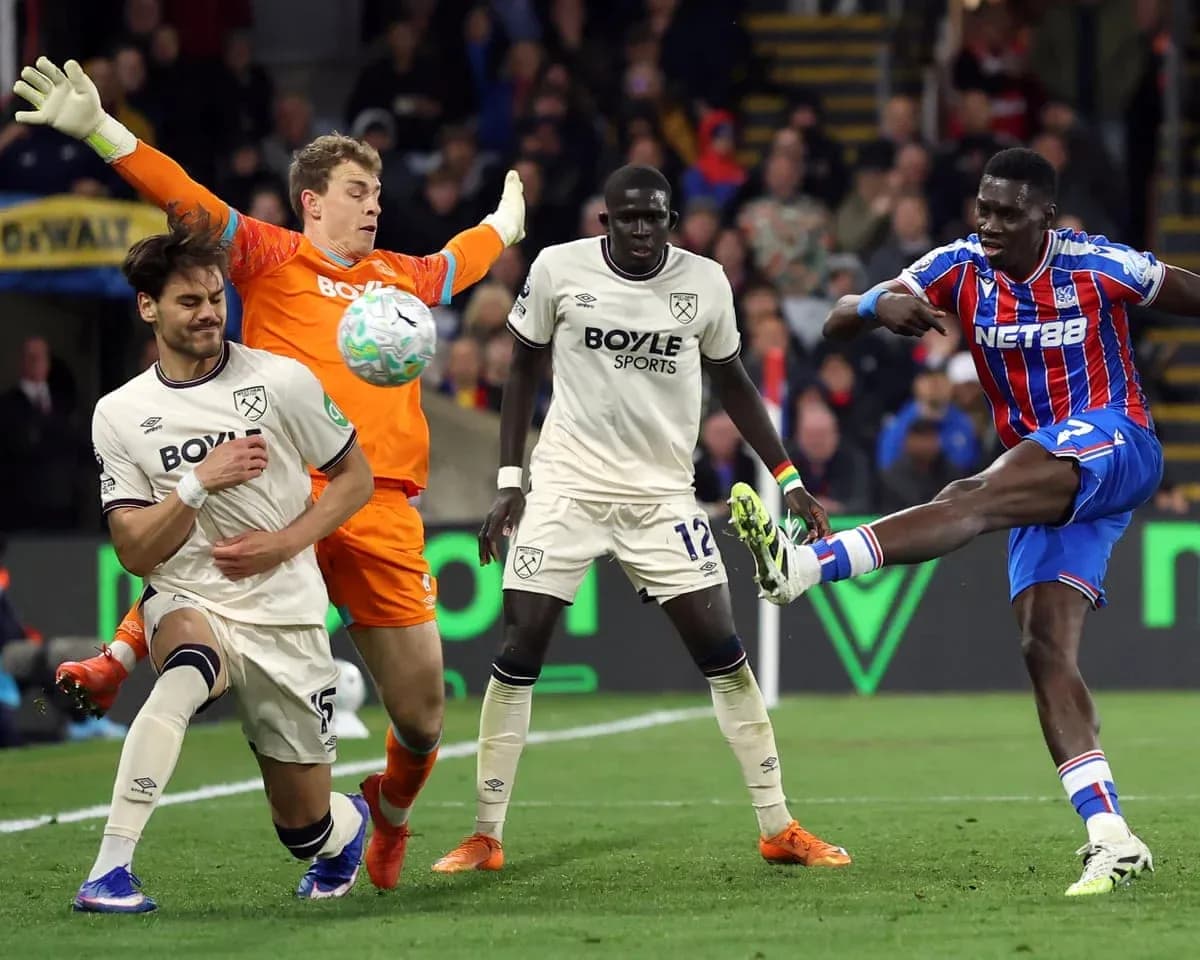
Selhurst Park hosted a tight, tactical stalemate in Round 33 of the Premier League, with Crystal Palace and West Ham cancelling each other out in a 0–0 draw. Palace’s 3-4-2-1 structure gave them a territorial and possession edge, but West Ham’s compact 4-4-1-1 and superior shot quality ensured the contest remained finely balanced. Both sides produced nine attempts each, yet neither could convert modest xG figures (Palace 0.73, West Ham 0.61) into a decisive moment. The result reflected a game of control and containment more than creativity, with both goalkeepers largely protected by disciplined defensive blocks.
The disciplinary and event narrative was sparse but telling. The first major incident came on 21', when Brennan Johnson received a yellow card for a foul, signalling Palace’s aggressive approach to counter-pressing West Ham’s build-up. With the score 0–0 at half-time and no goals or VAR interventions across the 90 minutes, the story of the match unfolded primarily through tactical adjustments and substitutions.
Substitutions and Tactical Changes
Roy Hodgson’s bench activity began with a triple change on 59'. W. Hughes (OUT) made way for Daichi Kamada (IN), adding more progressive passing from central midfield. Simultaneously, Yéremy Pino (OUT) was replaced by Ismaïla Sarr (IN), injecting direct pace on the flank, and Jørgen Strand Larsen (OUT) was swapped for Jean-Philippe Mateta (IN), giving Palace a more penalty-box-oriented focal point. These moves underlined Palace’s intent to turn possession into penetration.
West Ham responded on 75', when Pablo Felipe (OUT) was replaced by Callum Wilson (IN), a like-for-like change that sharpened their threat in transition and in the channels. Palace’s final structural tweak came on 78', with Brennan Johnson (OUT) replaced by Justin Devenny (IN), suggesting a shift towards more control and legs in the advanced midfield line rather than pure verticality. David Moyes then made his second and final substitution on 84', withdrawing Valentín Castellanos (OUT) for Mohamadou Kanté (IN), a move that tilted West Ham towards a more conservative, midfield-heavy shape to secure the point.
Late on, tension surfaced in stoppage time. At 90+2', Daniel Muñoz received a yellow card for argument, reflecting frustration as Palace chased a late winner. In the same minute, El Hadji Malick Diouf was booked for a foul, underlining the physical edge in the closing phases. Across the match, every card had a clear context: Johnson and Diouf for fouls, Muñoz for dissent/argument.
Tactical Analysis
Tactically, Palace’s 3-4-2-1 aimed to dominate territory through width and controlled possession. The back three of Chris Richards, Maxence Lacroix and Jaydee Canvot provided a secure platform, allowing wing-backs Daniel Muñoz and Tyrick Mitchell to advance high and pin West Ham’s wide midfielders. Will Hughes and Jefferson Lerma formed a double pivot focused on circulation and counter-pressing, while Johnson and Yéremy Pino operated as narrow attacking midfielders behind Jørgen Strand Larsen, looking to exploit half-spaces.
Their 54% possession, 454 passes at 81% accuracy, and a 4–6 deficit in corners illustrate a side that controlled the ball but struggled to consistently break West Ham’s compact block. Palace managed only one shot on target from nine attempts, despite five efforts inside the box. The xG of 0.73 reflects mostly low-to-medium quality chances, indicating that while they reached promising zones, final actions were either rushed or well-defended.
West Ham’s 4-4-1-1 was clearly designed for defensive solidity and transition threat. Full-backs Kyle Walker-Peters and Diouf stayed relatively conservative, narrowing to protect the half-spaces alongside centre-backs Konstantinos Mavropanos and Axel Disasi. In midfield, Tomáš Souček and Mateus Fernandes anchored centrally, with Jarrod Bowen and Crysencio Summerville tasked with both tracking Palace’s wing-backs and springing forward when possession was won. Pablo Felipe operated off Castellanos, linking counters and attacking the channels.
Despite only 46% possession and 366 passes at 74% accuracy, West Ham produced four shots on target from nine total attempts, and seven of those came from inside the box. Their xG of 0.61, almost matching Palace’s, shows they generated comparable threat with less of the ball, largely through more direct attacking patterns and better occupation of central spaces in transition.
Goalkeeping Performances
In goal, Dean Henderson for Palace made three saves, indicating that while West Ham’s attacks were less frequent, they were more incisive when they arrived. His opposite number, Mads Hermansen, needed just one save, a clear reflection of how effectively West Ham limited Palace’s shot quality despite ceding territory. Both keepers’ goals-prevented values were recorded as zero, underscoring that neither was forced into high-difficulty, xG-defying interventions; the defensive structures in front of them did most of the work.
Statistical Verdict
From a statistical verdict, the draw is consistent with the underlying numbers. Palace’s slight xG edge (0.73 to 0.61), higher possession, and better passing accuracy point to marginal superiority in overall form on the day, in terms of control and territory. However, West Ham’s defensive index is strong: they conceded only one shot on target, committed just 12 fouls to Palace’s 13, and collected a single yellow card (Diouf for a foul), suggesting disciplined defending without excessive risk.
Card totals were clear and limited: two yellows for Crystal Palace (Brennan Johnson 21' for a foul, Daniel Muñoz 90+2' for argument) and one for West Ham (El Hadji Malick Diouf 90+2' for a foul). With both sides’ expected goals under 1.0, the 0–0 outcome is statistically logical: Palace controlled, West Ham contained, and neither found enough quality in the final third to tilt a finely poised tactical contest.