
Sweden's World Cup Triumph: Potter's Tactical Masterclass Against Tunisia
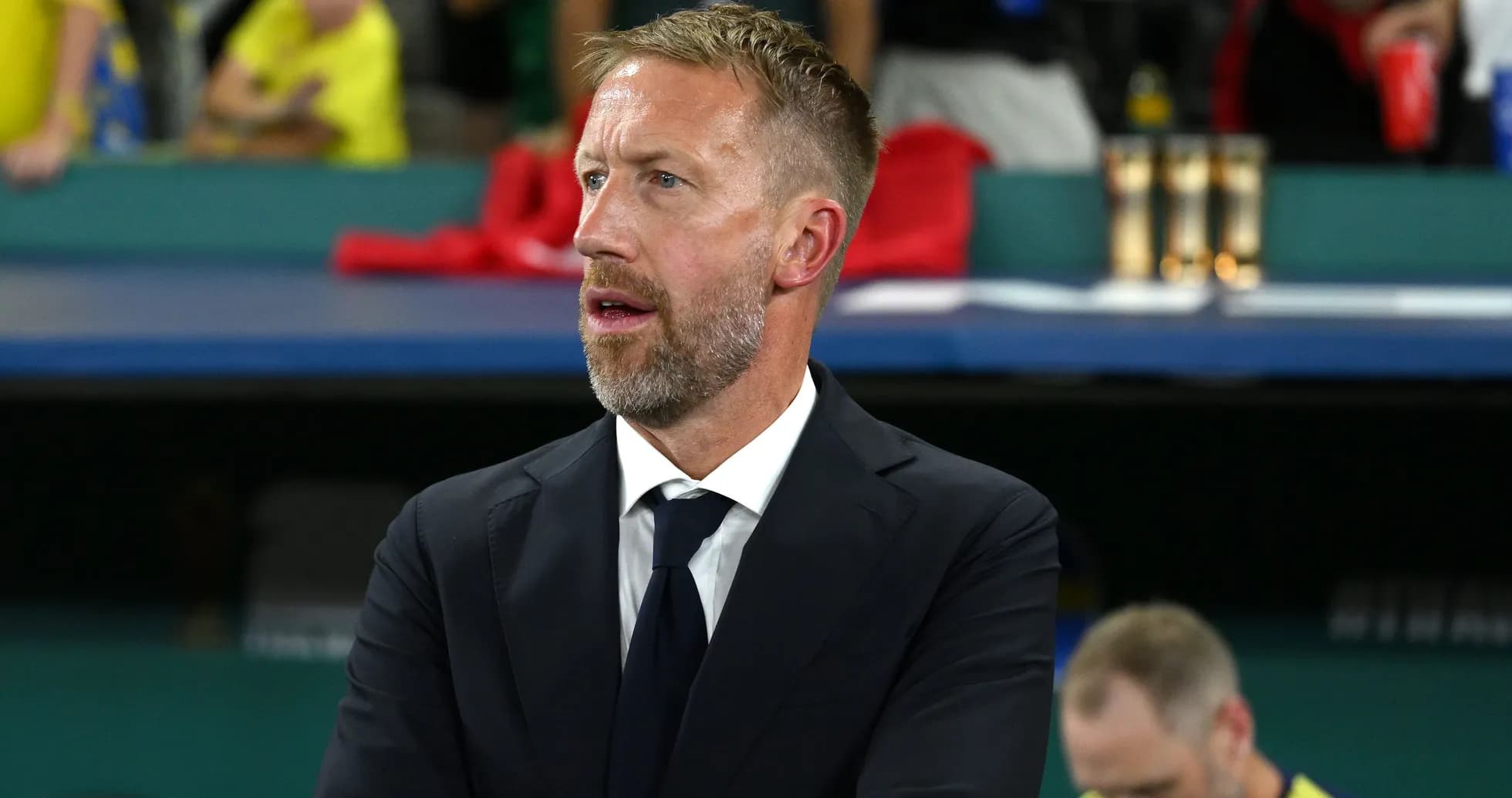
Graham Potter walked into the mixed zone in Monterrey with a 5-1 World Cup win behind him and blood trickling from his right ear. Sweden’s new architect of revival looked less like a victorious coach and more like someone who had just stepped out of a scrap.
He had no idea how it happened.
“I don’t know what happened. Someone scratched me, or bit me. I’ll have to analyse the video footage,” he said, via Sportbladet, half bemused, half shrugging it off. The touchline chaos had left its mark, but it barely dented the mood. Sweden had just ripped through Tunisia and, for the first time in a long time, looked like a team that belonged on this stage.
Isak and Gyokeres bully Tunisia
On the pitch, the damage was far more deliberate.
Alexander Isak ran the game. The Liverpool forward glided through defenders, scored a solo goal dripping with confidence, and then added a moment of subtle class – a deft flick that sent Mattias Svanberg through to sweep in the fourth, confirmed after a VAR check. Every time Tunisia tried to reset, Isak dragged them back into panic.
Alongside him, Viktor Gyokeres played the role of enforcer. The Arsenal striker hunted down defenders, pressed with menace, and was rewarded when that pressure forced a mistake. Isak pounced, Tunisia panicked, and Gyokeres buried his chance. Sweden’s front two didn’t just score; they set the temperature of the night.
Potter knew it.
“I think it was a fantastic evening for us, a fantastic start,” he said. “A solid performance that allowed Alex and Viktor to show their qualities, which they did. We were defensively solid, got goals from midfield and had good substitutions. I’m happy for the players. They’ve worked hard in recent weeks and made strides. All credit to them. As a coach you know when the team is developing, but you also have to win. We weren’t perfect, but we knew we wouldn’t be.”
This was exactly the sort of ruthless edge Sweden had been missing.
From qualifying disaster to World Cup statement
Not long ago, this team looked nowhere near Monterrey, let alone the summit of Group F. Sweden had finished bottom of their qualifying group, behind Switzerland, Kosovo and Slovenia. It was a collapse, the kind that usually triggers a reset and a long spell in the wilderness.
The Nations League play-offs offered a lifeline. Potter took it and has spent his early months in charge sharpening a side that had forgotten how to hurt opponents. Against Tunisia, that work finally roared into life.
Yasin Ayari, Brighton’s young midfielder of Tunisian descent, underlined the transformation. He scored twice, both goals laced with the kind of confidence that comes when a team knows exactly what it wants to be. Sweden weren’t just efficient. They were expressive, aggressive, and merciless when chances came.
The only blemish came at the back. A brief lapse let Omar Rekik in to score, a reminder that this new Sweden is still a work in progress.
“I was a little disappointed with the goal we conceded, but that’s what can happen,” Potter admitted. “We were mature in the second half, especially considering we lack experience from the World Cup.”
Mature, and utterly in control. Tunisia’s goal never threatened to change the outcome; it merely interrupted the rhythm of a side that had already decided the contest.
Group F blown open
Earlier in the day, Netherlands and Japan had traded blows in a 2-2 draw, a heavyweight clash that left the group wide open. Sweden seized the opportunity with both hands.
They now sit top of Group F, goal difference booming, confidence rising. From Nations League survivors to pace-setters in a World Cup group containing the Oranje and Japan – the swing is as dramatic as the scoreline.
Yet Potter wants no part of the noise.
“We just focus on what we can do, we focus on our performances,” he said. “It doesn’t matter what people think from the outside or opinions. That’s the beauty of the World Cup, everyone has predictions and forecasts but we have to focus on our job and how we play as a team. We will meet another top team at the weekend who are one of the favourites for the competition.”
That “other top team” is Netherlands on Matchday 2. A very different kind of examination.
Sweden arrive with five goals scored, a front line brimming with menace, and a coach who left Monterrey bloodied but utterly unbowed. The question now is simple: was this a spectacular one-off, or the opening chapter of a World Cup run nobody saw coming?



