Iran vs New Zealand: Balanced 2-2 Draw in Group G
Iran 2-2 New Zealand at SoFi Stadium opened Group G with a finely balanced draw that reflected both sides’ attacking intent and defensive vulnerabilities. With both teams already in Round of 32 qualifying positions, the shared points move Iran to 2 points and New Zealand to 2 points, keeping New Zealand marginally ahead on rank while leaving the group finely poised after back-to-back draws for each.
Match Report
The game ignited early. On 7', New Zealand struck first through a direct move: 7' New Zealand goal — E. Just (assisted by C. Wood). Wood dropped off the front line to receive, then released Just into space, and the winger’s low finish punished Iran’s high defensive line.
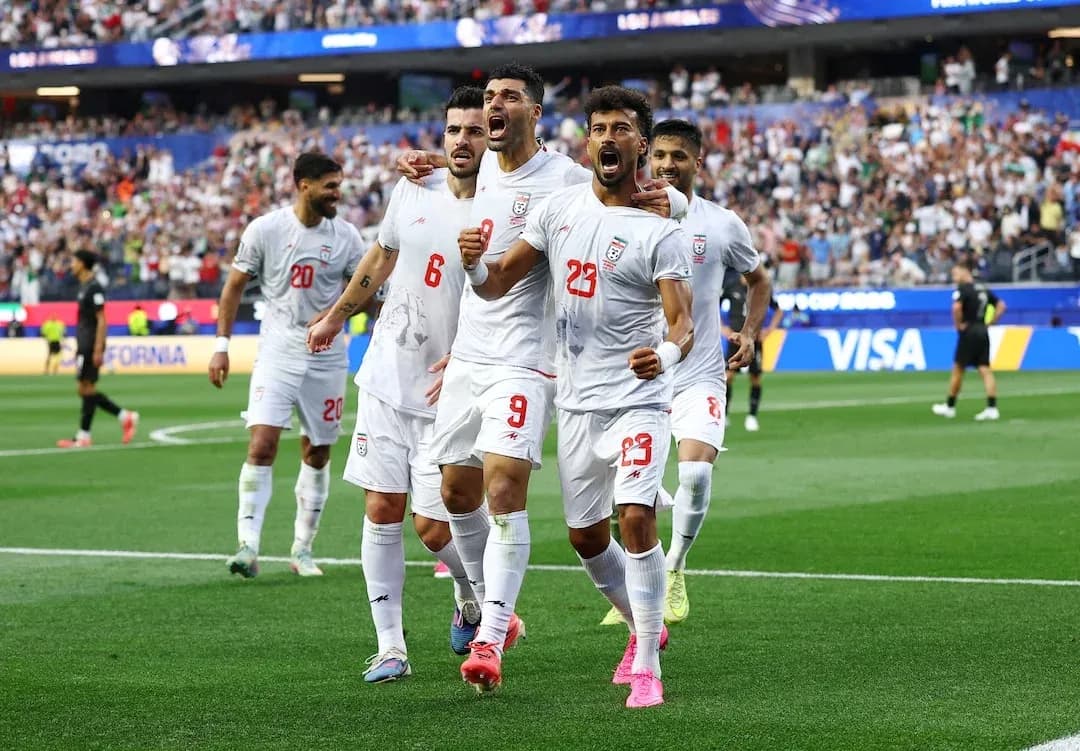
Iran responded by pushing their full-backs higher, and the equaliser came from that flank aggression. On 32', a loose ball broke kindly on the right and 32' Iran goal — R. Rezaeian (unassisted). The right-back drove inside and unleashed a powerful strike from the edge of the box, beating Max Crocombe at his near post to restore parity at 1-1.
At half-time, Amir Ghalenoei sought more incision from wide areas. On 46', M. Ghaedi replaced A. Yousefi (Iran), adding a more natural winger on the left. Seven minutes later, Iran altered the front line: on 53', A. Alipour replaced S. Moghanlou (Iran), introducing fresh movement in behind.
Yet it was New Zealand who reasserted control almost immediately. On 54', a near carbon copy of the opener restored their lead: 54' New Zealand goal — E. Just (assisted by C. Wood). Again Wood linked play superbly, sliding a pass into Just’s diagonal run, and the midfielder finished calmly across the goalkeeper for 1-2.
Iran refused to fold and began to combine more effectively between the lines. On 64', a well-worked right-side pattern levelled the match again: 64' Iran goal — M. Mohebi (assisted by R. Rezaeian). Rezaeian overlapped and delivered a measured cut-back, and Mohebi arrived late at the edge of the area to guide a controlled first-time shot into the corner for 2-2.
Immediately after the goal, Iran adjusted their midfield balance. On 65', E. Hajsafi replaced S. Ghoddos (Iran), adding defensive security and experience in the left half-space as Iran looked to manage transitions more carefully.
New Zealand responded with a triple change in the defensive and attacking structure on 68'. First, B. Old replaced L. Cacace (New Zealand), bringing fresh legs at left-back and slightly more attacking thrust from deep. Simultaneously, R. Thomas replaced C. McCowatt (New Zealand), adding control in central areas and allowing Sarpreet Singh to roam higher. On 78', another defensive rotation followed as C. Elliot replaced T. Payne (New Zealand), refreshing the right-back slot to cope with Iran’s growing pressure down that flank.
With the game stretched, Iran sacrificed their central reference point to add a more mobile forward. On 80', A. Hosseinzadeh replaced M. Taremi (Iran), aiming to exploit spaces between New Zealand’s lines as the All Whites’ full-backs continued to advance.
As tension rose in the closing stages, the only card of the match arrived. On 89', E. Hajsafi (Iran) — yellow card (Tripping) — was booked for halting a New Zealand counter in midfield, a tactical foul that underlined Iran’s determination not to be undone late on.
In stoppage time, New Zealand used their remaining substitutions to chase a late winner while managing fatigue. At 90+2', J. Randall replaced S. Singh (New Zealand), injecting fresh running in the attacking midfield band. In the same minute, T. Bindon replaced M. Stamenic (New Zealand), a move that added height and defensive security for the final set-piece phases. Neither side could find a decisive moment, and the contest closed at 2-2.
Fixture Statistics & Tactical Audit
- xG: Iran 1.5 vs 1.24 New Zealand
- Possession: Iran 48% vs 52% New Zealand
- Shots on Target: Iran 4 vs 8 New Zealand
- Goalkeeper Saves: Iran 6 vs 2 New Zealand
- Blocked Shots: Iran 5 vs 2 New Zealand
The underlying numbers suggest a finely balanced contest, with Iran marginally ahead on xG (1.5 vs 1.24) despite New Zealand producing twice as many shots on target (8 vs 4). New Zealand’s slightly higher possession (52%) reflected their more controlled build-up through Joe Bell and Marko Stamenic, but Iran’s block count (5 vs 2) underlined how often they defended deep and in numbers around their box. Iran’s goalkeeper making six saves against eight shots on target indicates New Zealand were more frequent shooters from promising zones, while Crocombe faced fewer but higher-quality Iranian efforts. Overall, a draw is broadly fair: New Zealand created more volume, Iran created slightly better chances, and neither side did enough to fully tilt the game away from parity.
Standings Update & Seasonal Impact
Both teams entered the match on 1 point with a goal difference of 0 after their opening 2-2 draws. This second 2-2 result leaves Iran on 2 points, with 4 goals scored and 4 conceded for a goal difference of 0, maintaining their status in the Round of 32 qualification places in Group G but without establishing clear separation from the chasing pack. New Zealand also move to 2 points, likewise on 4 goals for and 4 against (goal difference 0), and remain top of the group on rank criteria, though their advantage over Iran is purely positional rather than numerical. With two consecutive draws apiece, both sides are firmly in the qualification zone described as “Round of 32”, but the lack of a win means their final group matches will likely determine seeding and potentially survival if other results tighten the table.
Lineups & Personnel
Iran Starting XI
- GK: Alireza Beiranvand
- DF: Ramin Rezaeian, Shoja Khalilzadeh, Ali Nemati, Milad Mohammadi
- MF: Mohammad Mohebi, Saman Ghoddos, Saeid Ezatolahi, Aria Yousefi
- FW: Shahriar Moghanlou, Mehdi Taremi
New Zealand Starting XI
- GK: Max Crocombe
- DF: Tim Payne, Finn Surman, Michael Boxall, Liberato Cacace
- MF: Joe Bell, Marko Stamenic, Callum McCowatt, Sarpreet Singh, Elijah Just
- FW: Chris Wood
Post-Match Verdict
This was an attacking, open draw shaped by contrasting strengths. Iran were clinical in their best moments (2 goals from 1.5 xG and only 4 shots on target), leaning heavily on the offensive output of Ramin Rezaeian, who scored once and assisted once from right-back. Their vulnerability lay in defensive spacing, with New Zealand generating 8 shots on target and forcing 6 saves, a sign of repeated access into the final third rather than isolated chances. New Zealand were offensively dominant in volume (8 shots on target vs 4 and 14 total shots vs 17 in fewer attacks), built around Chris Wood’s hold-up play and Elijah Just’s incisive runs, but slightly wasteful relative to their xG (1.24 for 2 goals) given the frequency of their attempts. Defensively, both teams showed structural fragility: Iran’s high line was repeatedly exposed by Wood–Just combinations, while New Zealand’s full-backs left spaces that Iran exploited for both goals. Tactically, the draw encapsulated two sides with enough attacking quality to trouble anyone in Group G, but with defensive organisation that must tighten if they are to convert their Round of 32 positioning into deeper tournament runs.