Sporting JAX vs Detroit City: A Clash of Footballing Identities
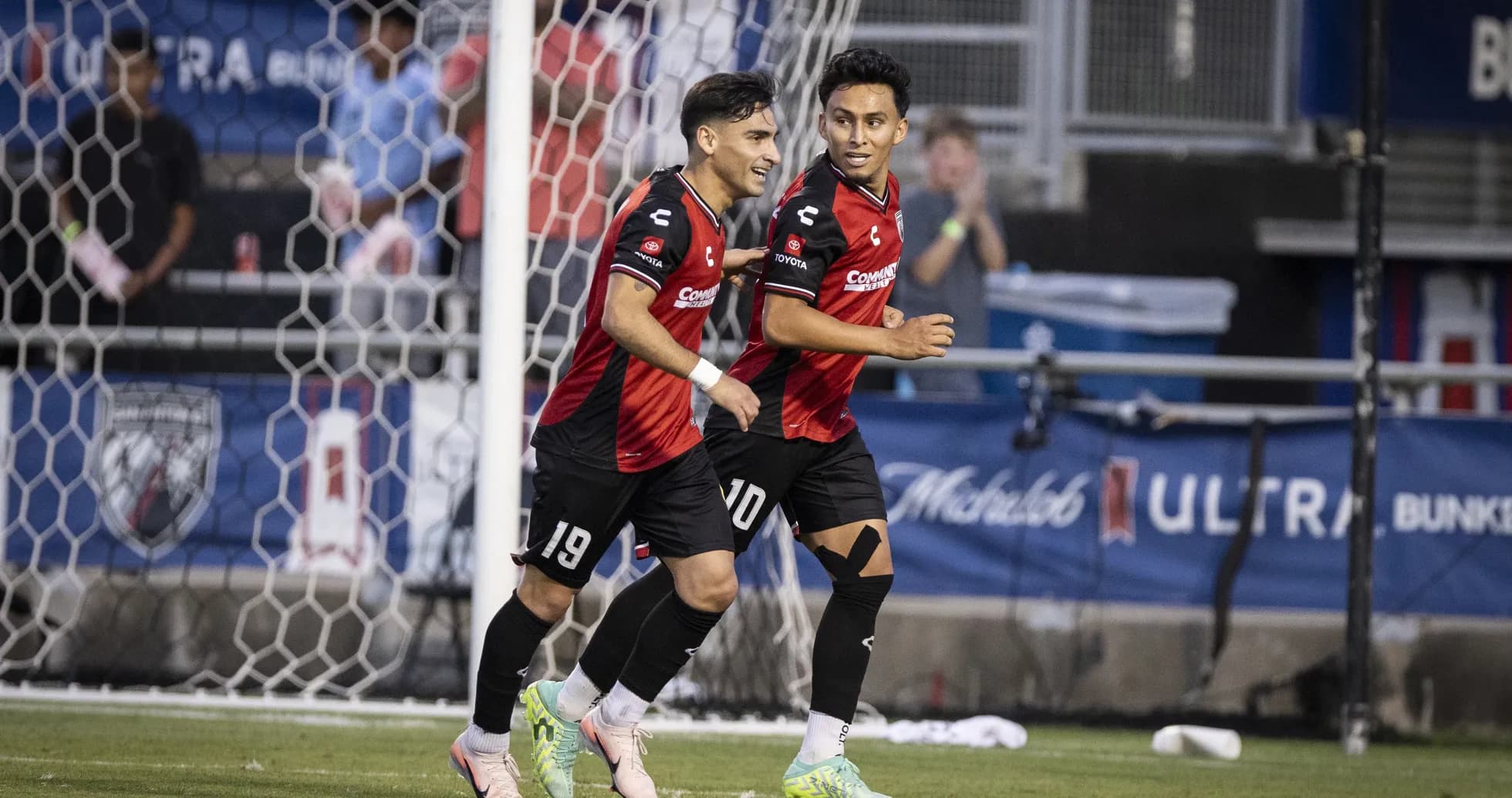
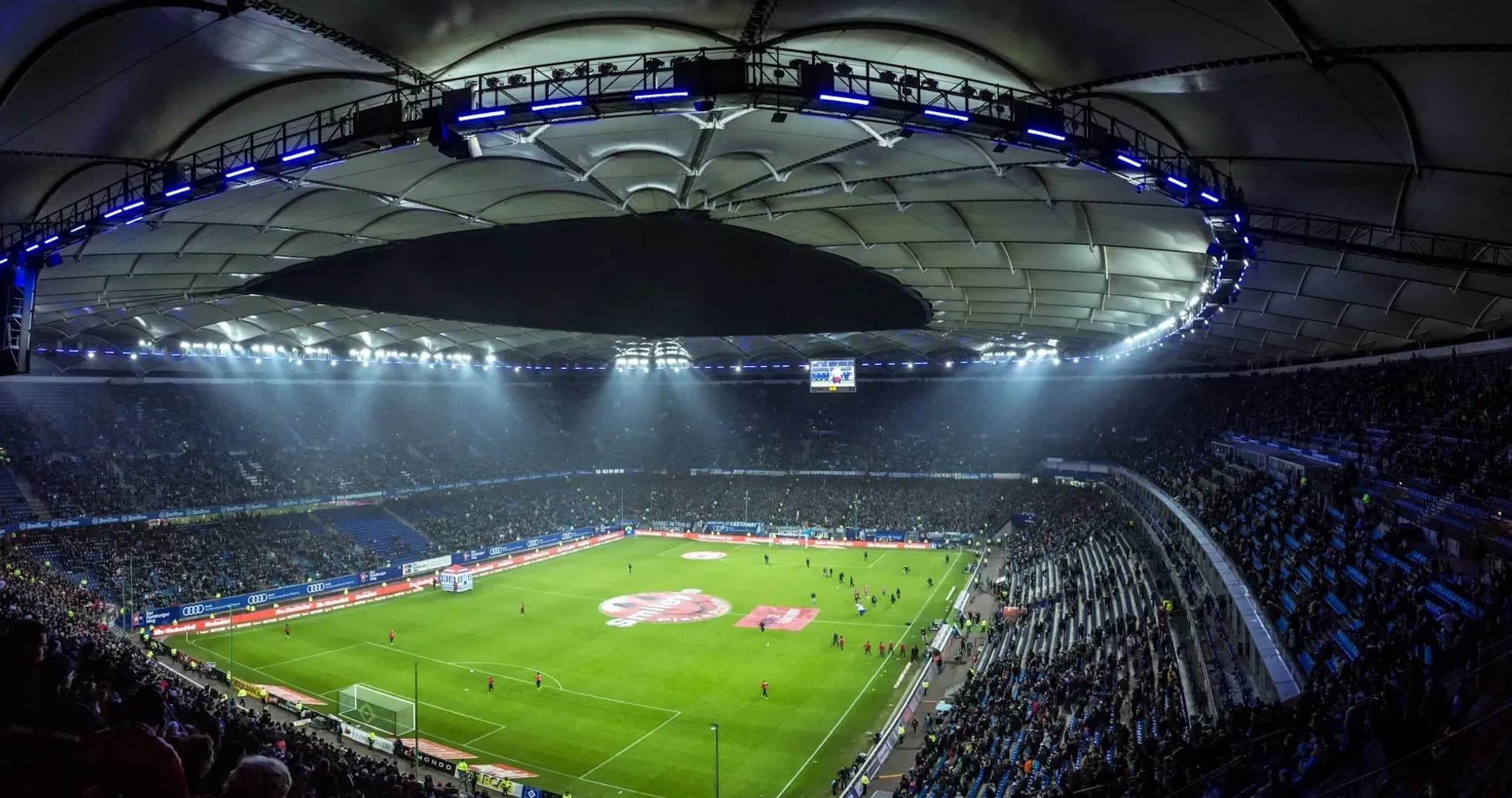
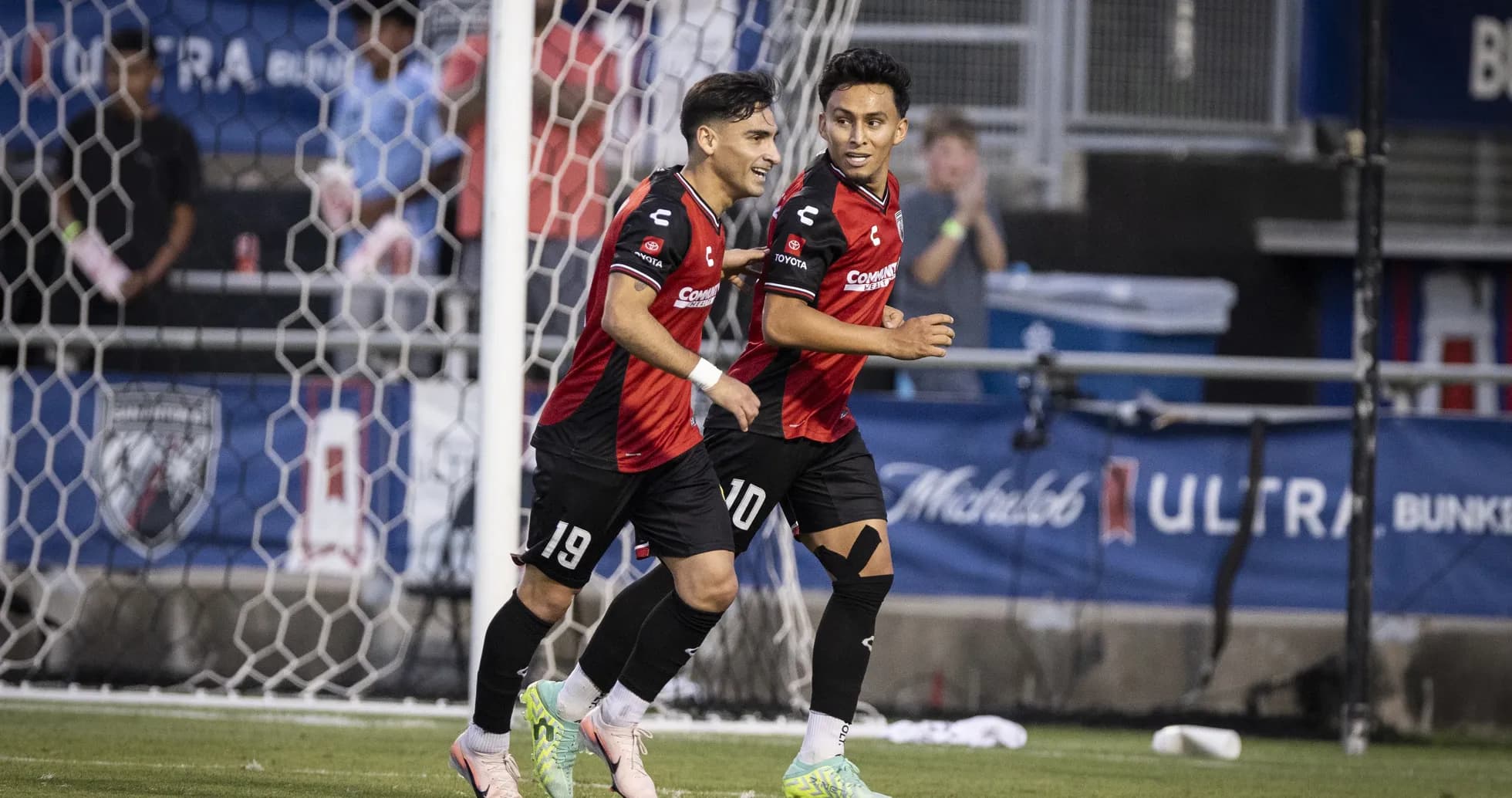
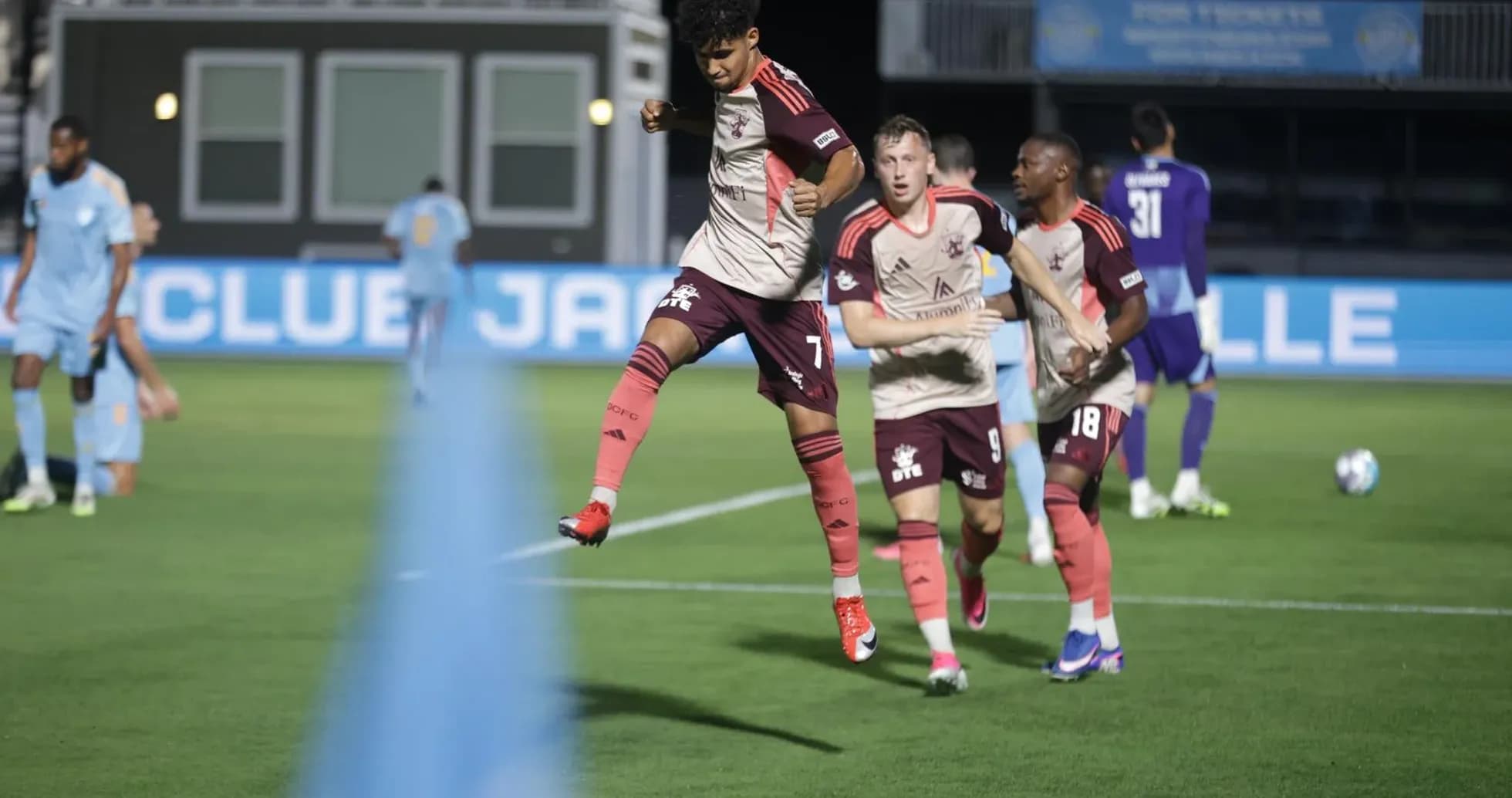
Under the lights at Hodges Stadium, this USL Championship group-stage meeting between Sporting JAX and Detroit City felt less like a routine league fixture and more like a brutal stress test of two very different footballing identities. By full time, the scoreboard read 2–6, a result that did more than settle a single night’s contest; it underlined the chasm between a side still learning what it is and another already clear on what it wants to be.
Heading into this game, the numbers had already drawn sharp outlines. Sporting JAX sat 13th in USL 1 with 3 points from 13 matches, winless overall and carrying a goal difference of -19, born from 15 goals for and 34 against. At home they had at least shown some attacking spark, averaging 1.7 goals for and 3.3 against, but those same figures betrayed a team that must score twice just to have a chance of staying alive. Detroit City, by contrast, arrived in Jacksonville ranked 2nd with 21 points, a total goal difference of 6 (19 scored, 13 conceded overall), and a defensive record that, at home especially, had been miserly: just 0.5 goals against on average at home, 1.4 on their travels, and 5 clean sheets in total.
The narrative of the night was already foreshadowed in those trends. Detroit City’s biggest away win of the season had been a 2–6 scoreline; they would match that ruthlessly here. Sporting JAX’s heaviest home defeat was 2–6; that too was repeated, as if the fixture were a replay of their worst habits.
Tactical Analysis
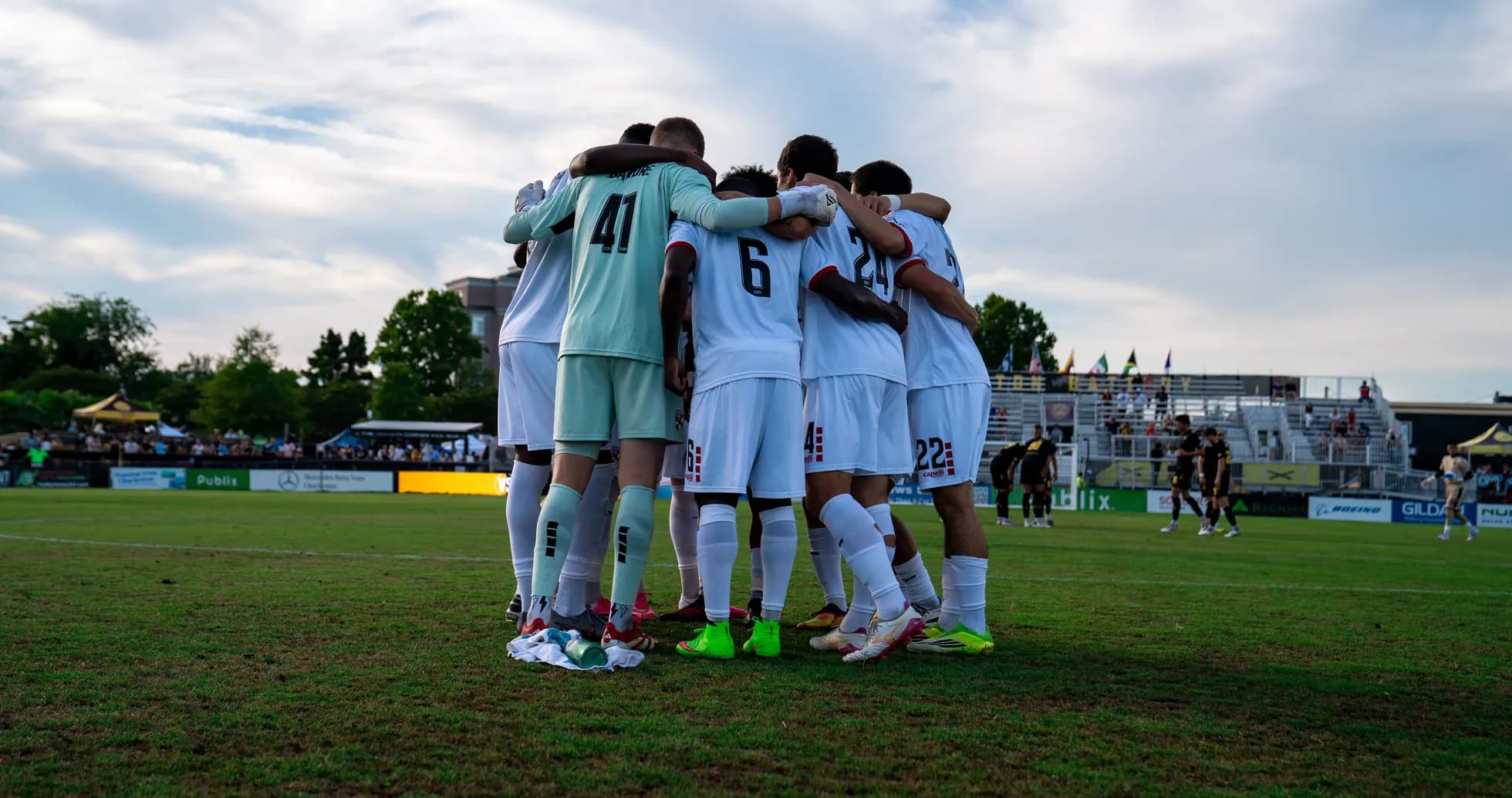
Tactically, the lineups told their own story even without formal formations listed. For Sporting JAX, C. Olivares took the gloves, with a defensive unit built around E. Rito, W. Ackwei, R. Edwards and H. Neville, supported by T. Rose. In midfield, the trio of W. Kuzain, R. Somersall and J. Rossiter carried the double burden of shielding and progressing, while R. Pedder and E. Jaaskelainen were tasked with providing the attacking thrust.
On paper, that structure leans towards a compact, hard-working core, but the season data shows it has rarely held together. Sporting JAX have yet to keep a single clean sheet, home or away. They have failed to score in 5 matches overall, and when they concede, they tend to concede in clusters. The disciplinary profile adds another layer: 26.47% of their yellow cards arrive between 76–90 minutes, with a further 20.59% between 61–75. There is also a red-card split of 50.00% in the 16–30 window and 50.00% between 76–90. It paints the picture of a side that frays under pressure, both early when games are still settling and late when fatigue bites.
Detroit City, guided by Danny Dichio, sent out a side that looked built to punish exactly that fragility. C. Herrera anchored them in goal, with a back line featuring D. Amoo-Mensah, C. Montgomery and T. Silva, and the versatile K. Hernandez-Foster offering width and balance. In midfield, A. Diop and P. Etaka provided legs and bite, while Rafa Mentzingen and D. Smith brought creativity and incision. Up front, B. Morris and A. Diouf gave Detroit City multiple points of penetration.
Heading into this fixture, Detroit City’s season profile suggested a side comfortable in multiple game states. They averaged 1.7 goals for at home and 1.3 on their travels, with an away defensive record of 1.4 goals conceded. They had already produced a 6-goal away performance and a 3–0 home win; this is a group that can both dominate and counterpunch. Their card distribution is concentrated in the middle of games: 27.27% of yellows between 46–60 minutes and another 27.27% between 61–75, a sign of a team that raises intensity and physicality just as opponents tire.
First Half
The first half here, ending 1–3, crystallised the “Hunter vs Shield” dynamic. Detroit City’s attack, already proven capable of explosive away performances, went straight at a Sporting JAX defence that concedes an overall average of 2.6 goals per match. The home side’s “shield” simply could not absorb the volume or quality of pressure. Even when Sporting JAX found a foothold in attack – consistent with their 1.7 home goals-for average – every step forward seemed to leave them more exposed in transition.
Engine Room Battle
In the “Engine Room” battle, the contrast was just as stark. W. Kuzain, R. Somersall and J. Rossiter had to control tempo, protect the back line and feed R. Pedder and E. Jaaskelainen. Up against them, A. Diop and P. Etaka, flanked by the intelligent movement of Rafa Mentzingen and D. Smith, repeatedly found pockets between the lines. With Detroit City’s overall goals-against average sitting at just 1.0, they could afford to commit bodies forward, trusting the structure behind them.
Discipline and mentality also tilted the pitch. Sporting JAX’s season-long pattern of late bookings and occasional late reds hints at a side that chases games, arrives late into duels and struggles to reset emotionally when things go wrong. Detroit City, despite one red card this campaign in the 16–30-minute range, manage their risk profile better, with a more even spread of cautions and a defensive record that reflects control rather than chaos.
Post-Match Analysis
Following this result, the statistical prognosis for both squads hardens. For Sporting JAX, the defensive numbers that looked worrying before now feel alarming: 34 goals conceded overall from 13 matches, no wins, and a goal difference of -19. Their attack can hurt teams at home, but unless the structure in front of C. Olivares tightens dramatically, every match will resemble a shootout they are ill-equipped to win.
For Detroit City, this 2–6 away statement reinforces their promotion credentials. A total of 19 goals for and 13 against, combined with 5 clean sheets and the ability to explode on their travels, suggests a side whose xG profile would likely show efficient finishing layered on top of a solid defensive base. They do not need chaos to win; they can impose it when required, then retreat back into a compact, disciplined block.
In narrative terms, this night at Hodges Stadium felt like a snapshot of a season-long arc. Sporting JAX remain a project in search of stability, their squad dotted with willing runners but lacking the collective defensive habits that turn effort into resilience. Detroit City, by contrast, look like a finished sketch: clear roles, a defined intensity curve through the 90 minutes, and the confidence to turn promising numbers into ruthless scorelines.