Sporting JAX and Brooklyn Battle to 2–2 Draw in Tactical Standoff
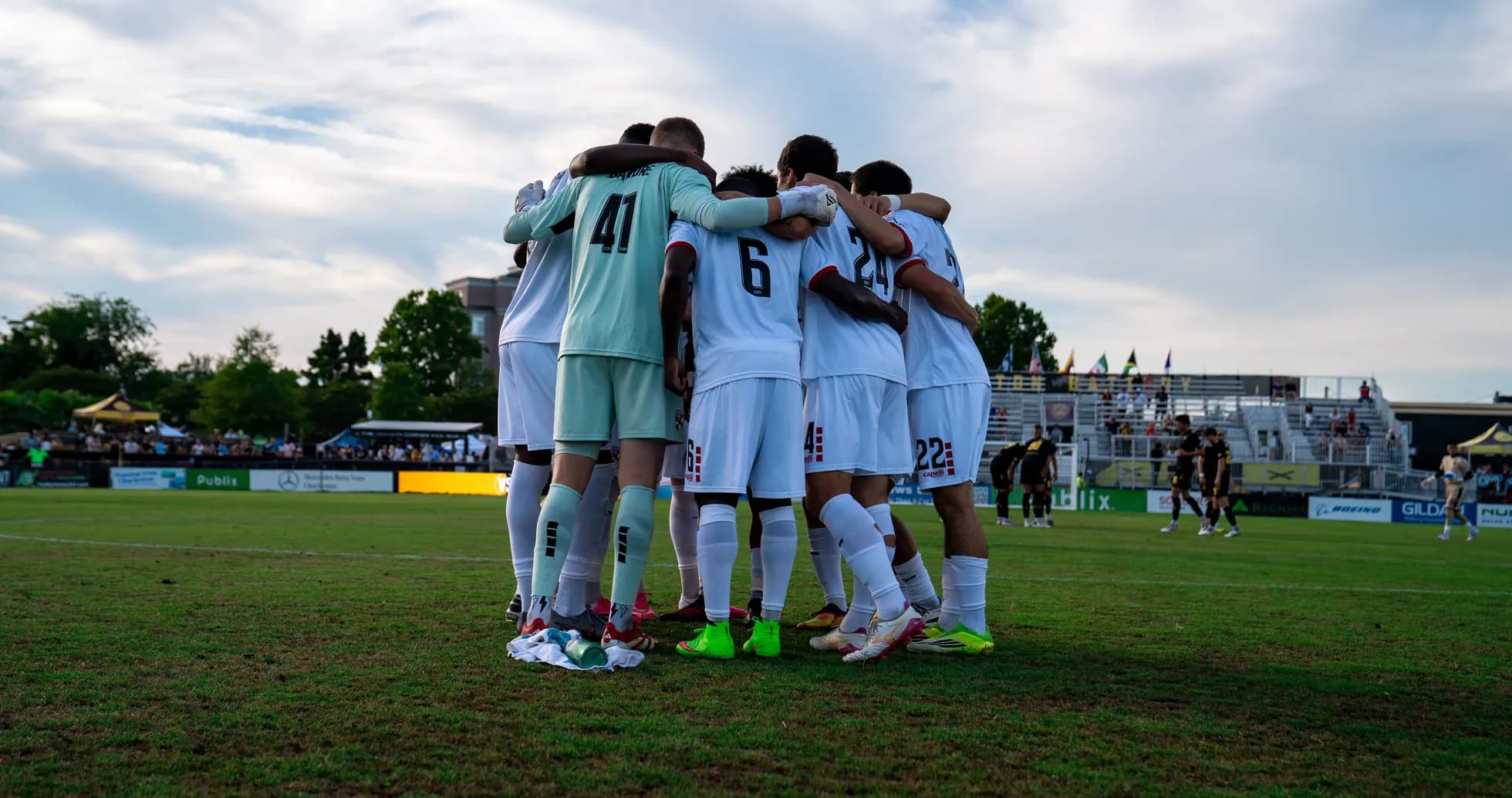
Under the Jacksonville dusk at Hodges Stadium, Sporting JAX and Brooklyn played out a 2–2 draw that felt less like a deadlock and more like a tactical reckoning between two fragile but ambitious projects in the USL Championship’s Group Stage.
I. The Big Picture – Two Strugglers, One Shared Mirror
Following this result, the table tells a stark story. Sporting JAX sit 13th in USL 1 with 3 points from 11 matches, still winless, their goal difference a bruising -14, built from 12 goals for and 26 against. Brooklyn, marginally better at 12th, have 8 points from the same 11 matches, with a goal difference of -9 from 11 scored and 20 conceded.
The seasonal DNA of both sides is clear. At home, Sporting JAX actually show a hint of attacking life: 8 goals in 5 home fixtures, an average of 1.6, but that promise is undercut by 14 conceded at Hodges Stadium, a home average of 2.8. On their travels, Brooklyn are almost the mirror image: they score 5 in 5 away matches, averaging 1.0, but leak 15, a punishing away average of 3.0. This 2–2, with JAX chasing from a 1–2 half‑time deficit, sits perfectly in that statistical tension: a home side that must attack to survive, and an away side that cannot keep the door shut.
II. Tactical Voids – Discipline and Structural Fragility
There are no listed injuries or suspensions, so both coaches had near‑full squads to choose from, yet the numbers suggest that absences in structure and concentration matter more than absences in personnel.
Sporting JAX’s season‑long disciplinary profile is volatile. Their yellow cards spike late: 27.59% of bookings arrive between 76–90', and another 20.69% in each of the 46–60' and 61–75' windows. Red cards are split between 16–30' and 76–90', each accounting for 50.00% of their dismissals. This is a side that loses control either when the game is just settling or when fatigue bites. In a match that went to 90' without extra time, the risk of a late collapse always loomed.
Brooklyn, by contrast, scatter their yellows more evenly but show a different stress point: 25.00% of their yellow cards come in the 91–105' range, and their lone red card this season also arrives in that same 91–105' window. They tend to overheat once the game spills beyond regulation, which did not come into play here but underlines a team that struggles with game management in high‑pressure finales.
The tactical void for Sporting JAX is obvious: defensive solidity. Overall they concede 2.4 goals per game, with no clean sheets in 11 fixtures, and they have already failed to score 5 times. Brooklyn’s void is their away defending; on their travels they concede 3.0 per game and have yet to record a clean sheet away from home. The 2–2 scoreline, with JAX rescuing a point after trailing at the break, felt less like a surprise and more like the statistical mean asserting itself.
III. Key Matchups – Hunter vs Shield, Engine Room vs Enforcer
Without league‑wide top scorers or assist charts, the “Hunter vs Shield” duel is defined by roles rather than reputations.
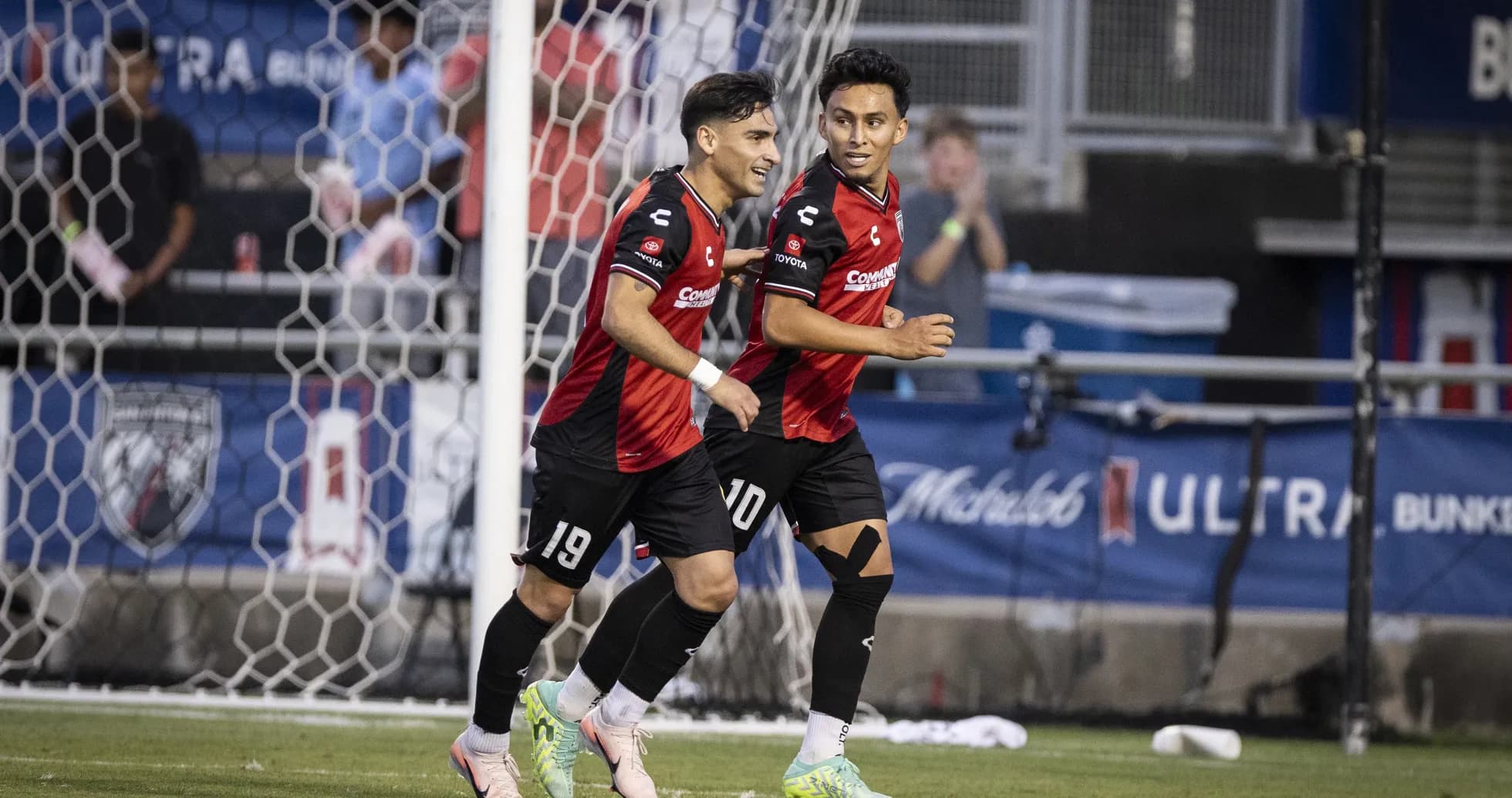
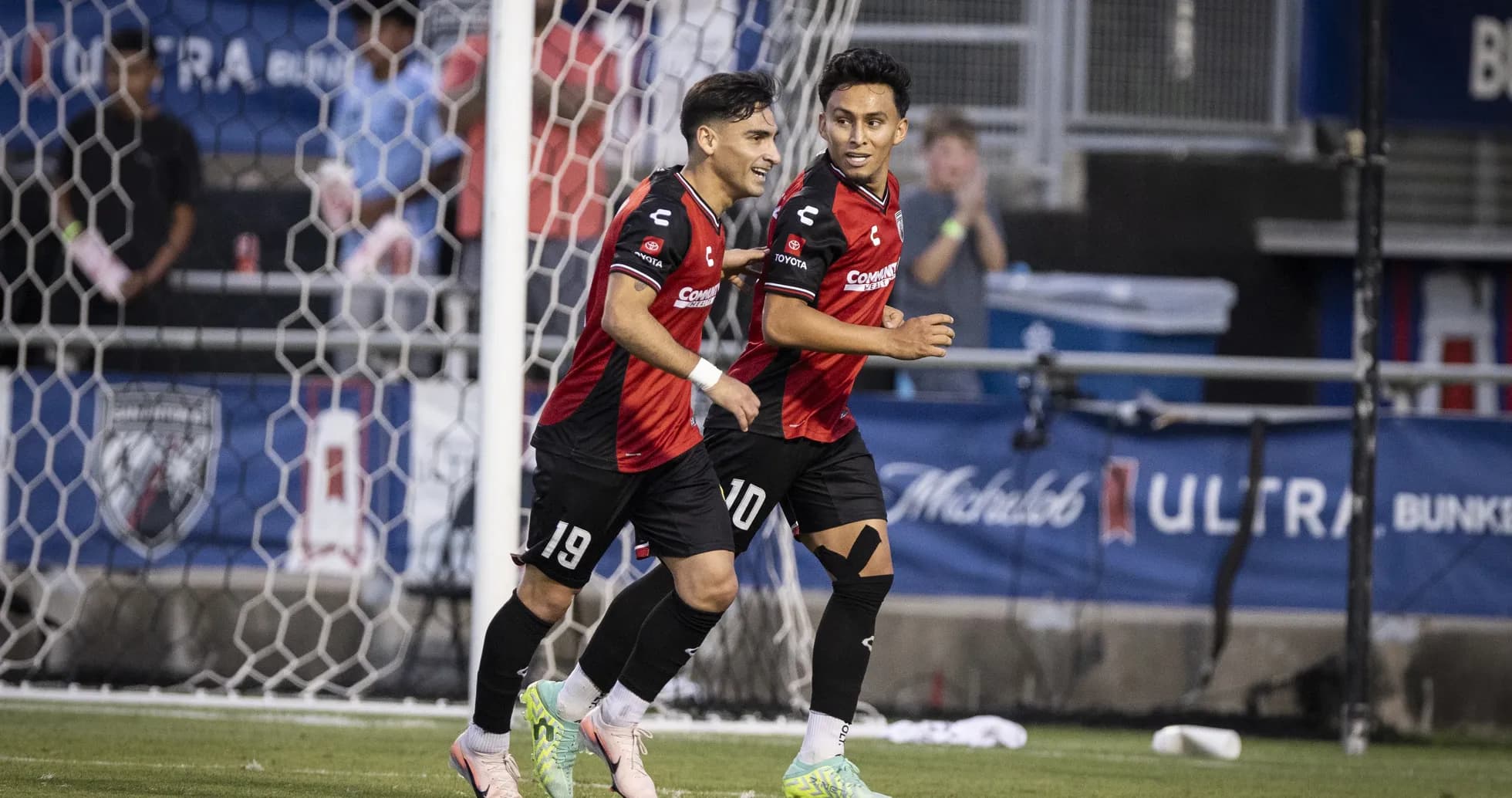
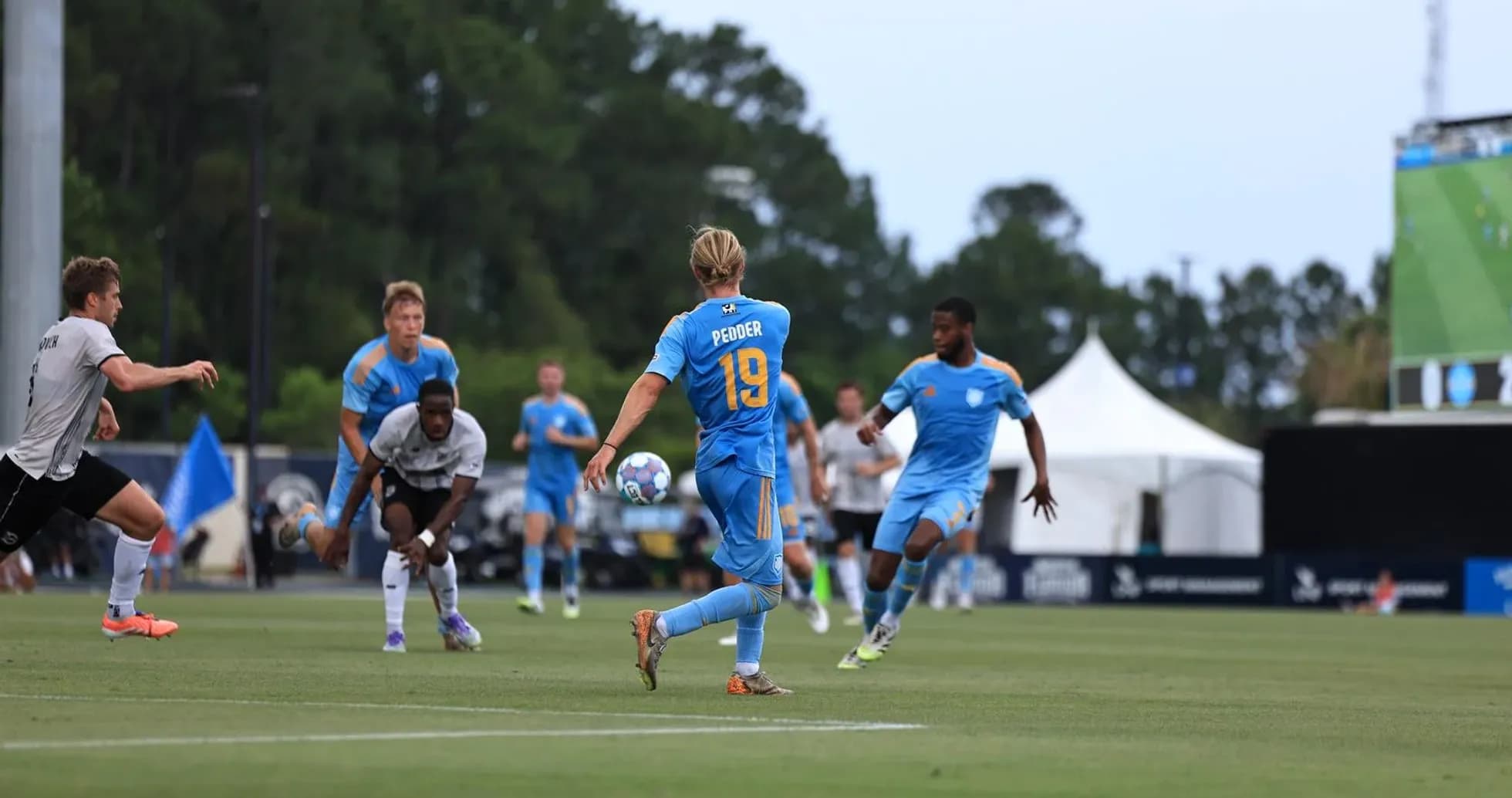
For Sporting JAX, attacking responsibility falls on a fluid front unit of K. Sadlier, E. Jaaskelainen and R. Pedder, supported by the forward‑minded T. Rose. Sadlier, wearing 10, drifts into pockets where he can link with J. Rossiter and W. Kuzain, who anchor the midfield. With JAX averaging 1.6 home goals, this triangle is the creative engine that must constantly test an away defence conceding 3.0 per game.
On Brooklyn’s side, the defensive shield is built around V. Latinovich and T. Vancaeyezeele, flanked by Gabriel Alves. Their task is to compress the central lanes where Sadlier and Pedder combine, forcing JAX wide and trusting the box defending. Yet Brooklyn’s season‑long away record suggests that line has been porous; even when the initial block holds, second phases and broken play often undo them.
In the “Engine Room” matchup, J. Rossiter and Kuzain for JAX provide the metronome and bite. They must screen a back line that, across all matches, allows 2.4 goals per game. Their opposite numbers, M. Pinto and T. McNamara, give Brooklyn a blend of distribution and late surges from midfield. With Brooklyn averaging 1.0 goal both home and away, their attack leans on efficient, not voluminous, chance creation—quick vertical passes into J. Obregon and the intelligent movement of C. Olney JR and P. Mangione.
The wide corridors also carry tactical weight. For JAX, E. Rito and Rose are natural outlets when the central block is crowded. For Brooklyn, S. Stojanovic offers width and crossing angles. In a match where Sporting JAX had to chase the game after a 1–2 first‑half scoreline, these wide players became critical in stretching a Brooklyn defence that prefers to sit narrow.
IV. Statistical Prognosis – What This Draw Really Says
Following this result, both teams remain what their numbers say they are. Sporting JAX are still searching for their first win, but their home attack—8 goals in 5 outings—suggests they will eventually break through if they can merely drag their goals against closer to parity. Their goal difference of -14 is the simple arithmetic of 12 scored and 26 conceded; until that defensive leak is addressed, every attacking step forward will be matched by a stumble at the back.
Brooklyn, with a -9 goal difference from 11 for and 20 against, are marginally more balanced but still deeply flawed, especially away. Their away split of 5 scored and 15 conceded underlines that even a two‑goal haul at Hodges Stadium is rarely enough to guarantee three points.
In xG terms—if we map tendencies rather than exact figures—the pattern is clear: Sporting JAX at home generate enough volume to justify 1–2 goals per game, but concede chances at a rate that makes every fixture high‑variance. Brooklyn away allow a level of opportunity that invites chaotic scorelines. A 2–2 draw, with the home side rallying from behind, fits that probabilistic script.
The tactical verdict is sobering for both. Sporting JAX can build an identity around front‑foot football at Hodges Stadium, leaning on Sadlier, Jaaskelainen and Pedder, but must urgently reinforce their defensive organisation and late‑game discipline. Brooklyn, meanwhile, need to translate the relative control they show at home—where they concede only 0.8 per game—into their away structure, or risk every road trip becoming another exercise in damage limitation.
In the end, 2–2 felt like a fair reflection: two teams staring into the same mirror, each seeing in the other the vulnerabilities they must fix to climb out of the bottom reaches of USL 1.