Las Vegas Lights vs FC Tulsa: A Tactical Showdown
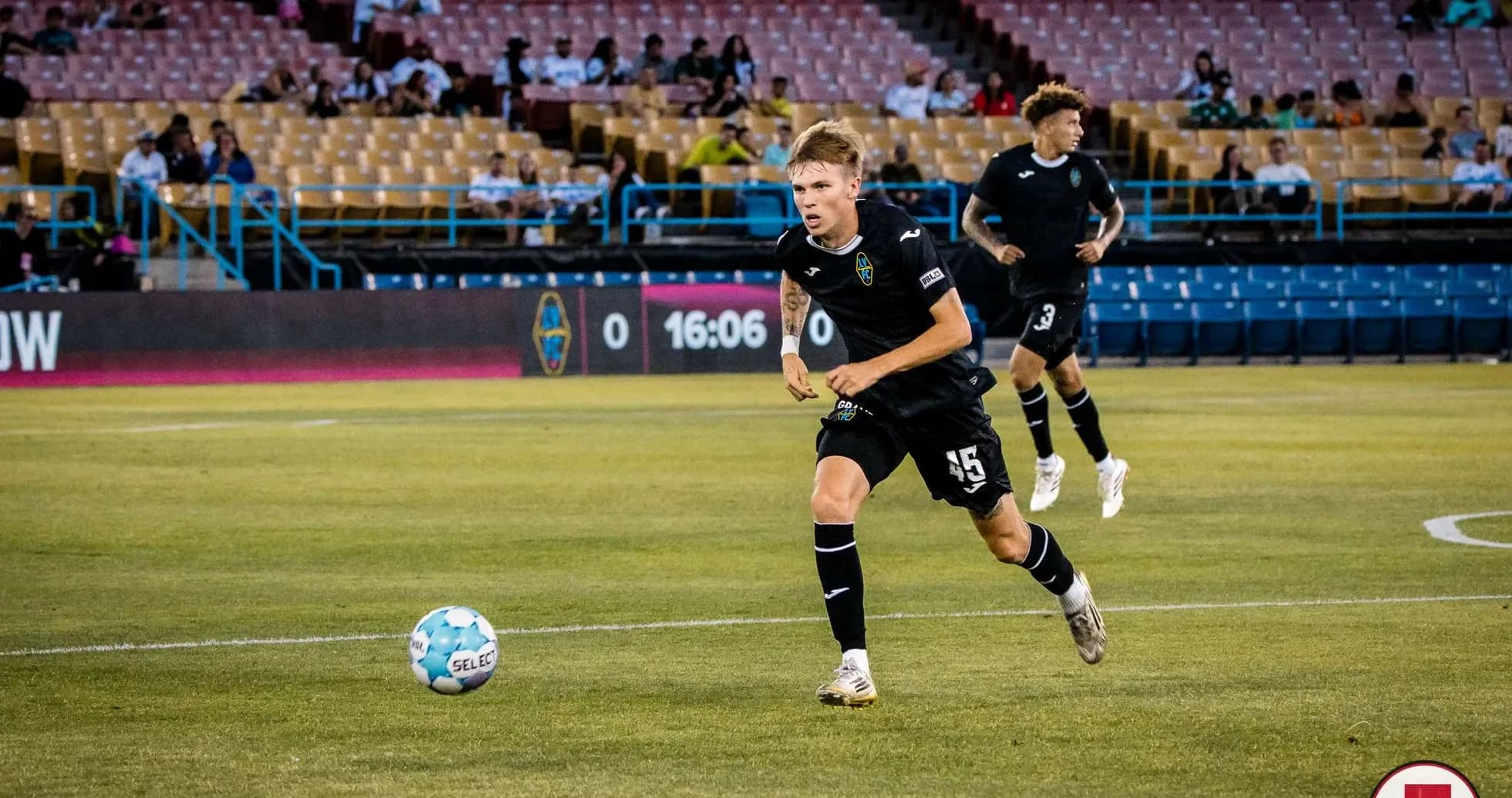
Under the desert lights of Cashman Field, Las Vegas Lights and FC Tulsa played out a goalless draw that felt less like a stalemate and more like a clash of identities. Following this result, the numbers and the narrative align: this was a meeting between one of the league’s most formidable home sides and one of its most balanced, upwardly mobile outfits.
Las Vegas came into the night ranked 11th in USL 1 with 12 points from 11 matches, their overall goal difference of -3 a simple reflection of 16 goals scored and 19 conceded. Yet that overall picture hides a split personality. At home, they had been almost immaculate: 5 matches, 3 wins, 2 draws, 0 defeats, with 6 goals for and only 2 against. On their travels, they had leaked 17 goals in 6 games; in Nevada, they had allowed just 0.4 goals per game while scoring 1.2. Cashman Field is their shield.
Across from them, FC Tulsa arrived as a side in form and in contention. Sitting 3rd with 16 points from 10 matches, their overall goal difference of 4 (13 scored, 9 conceded) underpinned a promotion push, backed by a description that already places them in the USL Championship play-off picture. Their statistical profile is one of balance: 1.3 goals for per game in total, 0.9 against, with identical resilience home and away. On their travels, Tulsa had 2 wins, 2 draws, and just 1 defeat, scoring 7 and conceding 5. They do not overwhelm opponents, but they rarely lose control.
Into that context stepped two coaches with very different puzzles. Devin Rensing’s Las Vegas side is built on a surprisingly stable defensive base at home, reinforced by three clean sheets in five matches and only one failure to score at Cashman. Luke Spencer’s Tulsa, meanwhile, have crafted a side that can manage tempo and moments, with three clean sheets overall and a willingness to accept low-scoring, controlled encounters.
The lineups told their own story. For Las Vegas, M. Stajduhar anchored the side in goal, the quiet constant behind a back line that has turned Cashman into a defensive stronghold. Around him, the presence of N. Jones and A. Guillen suggested a focus on solidity, while T. Antonoglou offered the potential to step into midfield and give Las Vegas some vertical thrust. Ahead of them, the spine of M. Ybarra and K. Scott hinted at a double pivot capable of both screening and recycling, leaving players like C. Pinzon, O. Anderson, J. Rodriguez, and the central reference point M. Arteaga to stitch together transitions and half-spaces.
Tulsa’s XI reflected their measured ambition. A. Tambakis, a steady presence in goal, sat behind a defensive unit that has conceded just 9 times in 10 matches overall, with only 5 of those on the road. The inclusion of L. Stauffer, Ian, A. Clarke, and L. Batista provided a blend of defensive aggression and ball progression, while G. Robinson and B. Sparks offered legs and coverage in the middle third. The creative weight fell on the likes of J. Webber, J. Kocevski, and Bruno Lapa, with N. Pierre as the forward outlet tasked with turning careful build-up into cutting edge.
If there was a tactical void on the night, it came not from absences — there is no data indicating missing or questionable players — but from the inherent risk profiles both teams carried into the match. Las Vegas, whose away numbers show 2.8 goals conceded per game, are almost forced to double down on their home defensive discipline. Their season-long card distribution underscores that edge: yellow cards cluster evenly across the 16-30, 31-45, 61-75, and 76-90 minute windows, each with 20.00% of their cautions, and they have already seen a red card in the 76-90’ range. This is a side that walks a fine line in the later stages.
Tulsa, in contrast, manage their aggression more strategically but still spike in the heart of the match: 25.00% of their yellow cards arrive between 61-75’, and 21.43% between 76-90’. They push the envelope as the game stretches, but have so far avoided red cards altogether. The disciplinary logs for both clubs suggest that the second half — particularly the final half-hour — is where control can slip and games can tilt.
Within that context, the “Hunter vs Shield” matchup became conceptual rather than individual. We lack top-scorer data, but we know Las Vegas average 1.2 goals at home and Tulsa concede just 1.0 away. Tulsa’s own attack, at 1.4 goals per game on their travels, ran into a home defense that concedes only 0.4 per game. A 0-0, in hindsight, was the logical collision of those numbers: Las Vegas’ home shield holding firm, Tulsa’s traveling structure refusing to crack.
In the “Engine Room,” the duel between Las Vegas’s central operators like M. Ybarra and K. Scott and Tulsa’s midfield trio of G. Robinson, J. Webber, and J. Kocevski framed the night. Las Vegas needed those pivots to protect Stajduhar and launch quick counters toward Arteaga and the wide runners. Tulsa, by contrast, looked to circulate through Robinson and Webber, then feed Bruno Lapa between the lines, asking Pierre to stretch a back line that rarely opens up at home.
From a statistical prognosis standpoint, this result fits both teams’ seasonal DNA. Las Vegas extend their unbeaten home run, adding another clean sheet to a record that now includes 3 overall, while maintaining an average of 1.5 goals for and 1.7 against in total across the campaign. Tulsa, for their part, continue to lean into their identity as a low-concession, high-control side, still averaging 0.9 goals against per match overall and preserving the platform that keeps them in 3rd place.
There were no penalties to alter the narrative — Las Vegas have taken 1 this season and scored it, Tulsa 2 and converted both — and no late red to shatter the balance. Instead, this was a match where structure triumphed over chaos, where both coaches trusted their season-long trends.
Following this result, the tactical preview for any rematch is clear. At Cashman Field, Las Vegas Lights will continue to bet on their defensive aura and incremental attacking gains. FC Tulsa, armed with a promotion-tilted profile and a reliable away record, will again try to thread the needle between patience and ambition. The xG story almost certainly mirrored the scoreboard: half-chances, blocked lanes, and two teams whose defensive solidity dictated that, on this particular night, the scoreboard would remain untouched.