
Real Madrid Faces Major Changes as Champions League Hopes Dwindle
Real Madrid are staring at a summer of upheaval. Inside the club, there is growing acceptance that La Liga has slipped away, even if the mathematics are not yet official. All roads now lead to the Champions League.
Bayern Munich stand in the way in the semi-finals. An exit there would not just end the season; it would fast‑track a deep structural reset that has already begun to take shape in the offices around the Santiago Bernabéu.
Pérez prepares the scalpel
Florentino Pérez and his sporting department have moved from reflection to planning. In tandem with the coaching staff, they are mapping out next season with one clear conclusion: this squad needs surgery, not touch‑ups.
Certain positions have been brutally exposed over the campaign. The feeling within Valdebebas is that the team has lost edge, lost internal competition, and with it, lost a piece of the mentality that once defined Real Madrid.
Álvaro Arbeloa, involved in assessing the technical direction, has put a name to the problem. For him, Madrid’s biggest flaw right now is simple and damning: there is no real “back‑up plan”.
When matches turn against them, the team runs out of tactical answers. Too many players feel secure in their roles. Too few feel someone breathing down their neck. The result: a dip in motivation, a drop in fight, and a side that no longer responds with the same fury when things go wrong.
The response from above is clear. Madrid want fresh blood in key areas, players of the highest level to raise the standard and deepen the bench. To do that, they will have to sacrifice names that carry weight in the dressing room and on the wage bill.
The departure list takes shape
Inside the club, a group of players now sit on an uncomfortable line between staying and going: Dani Carvajal, Ferland Mendy, Raúl Asensio, Eduardo Camavinga, Dani Ceballos, Mastantuono, Gonzalo García and Rodrygo.
Carvajal is the only one whose contract is officially running down, a veteran presence whose future requires a firm decision. Mendy has resisted every attempt to move him on, rejecting the idea of a departure despite the club’s openness to a sale. Rodrygo, currently injured, is considered unlikely to leave in the short term simply because his physical situation complicates any move.
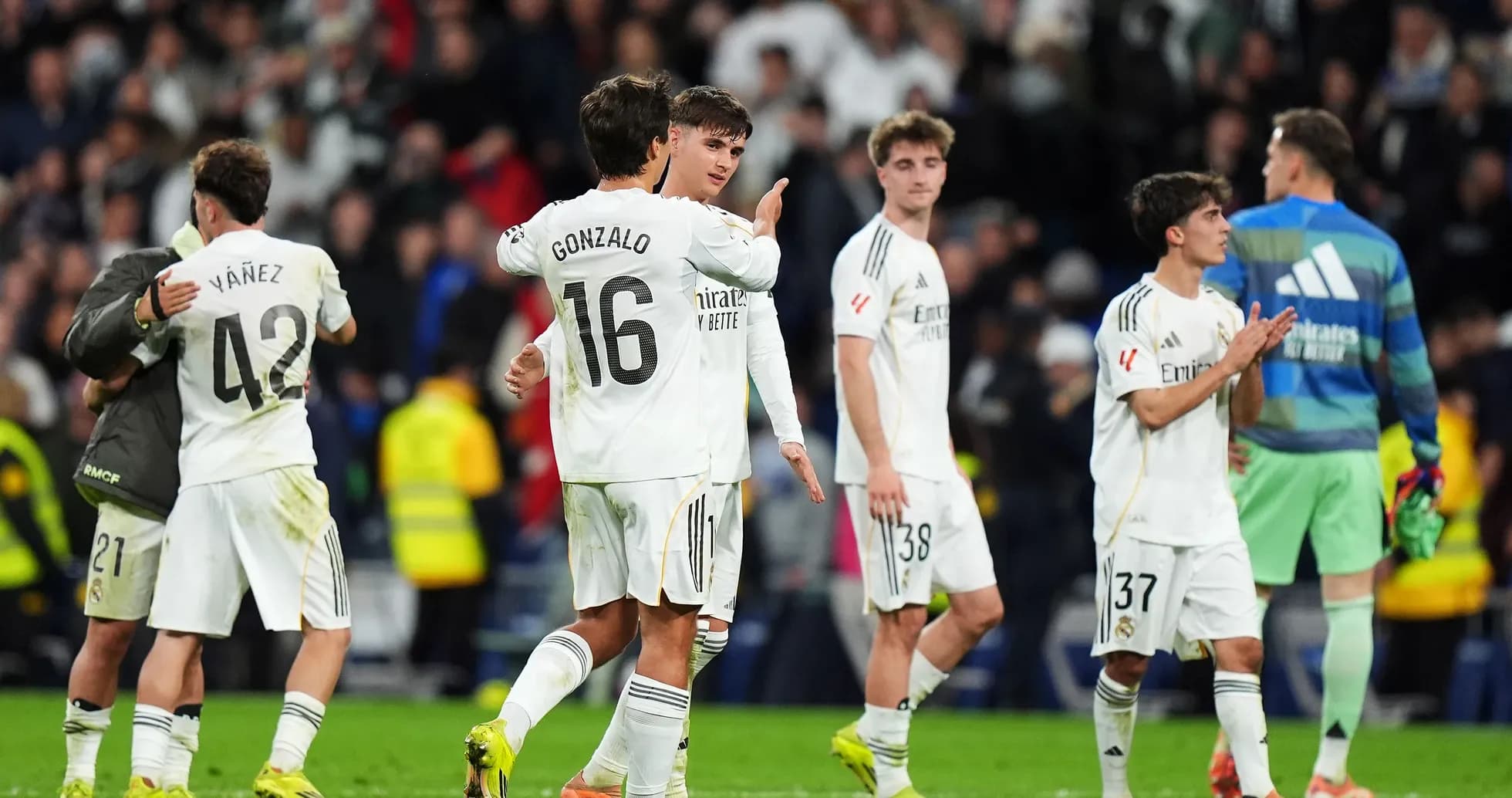
For Mastantuono and Gonzalo García, the equation is different. Their fate will hinge largely on the identity and ideas of the next manager. A loan to gain minutes and experience is firmly on the table, depending on how the bench looks when the dust settles.
Among all these names, three stand out in bold on the internal sales list.
Raúl Asensio, a young defender who has impressed when called upon, finds himself squeezed by timing and hierarchy. The return of Éder Militão, the club’s faith in Hoesen, and a clear intention to bring in another defender push him towards the exit. Madrid know he carries a strong market value, and that value could inject a significant fee into the summer budget.
Then comes Eduardo Camavinga. The Frenchman’s talent is not in doubt, but inside the club there is a sense he has not yet matched the expectations that accompanied his arrival. His profile, age and versatility have drawn serious attention from the Premier League and from Paris Saint-Germain. If Madrid decide to cash in, his sale could become the headline deal of their summer, the transfer that funds a large part of the rebuild.
Dani Ceballos completes the trio. He has never truly nailed down a place in the starting XI. For Madrid’s hierarchy, his departure would be a logical way to trim costs and open space for new arrivals who can influence games more consistently.
Contracts, dilemmas and a looming revolution
Beyond those actively on the market, there are other delicate files on Pérez’s desk. The futures of Antonio Rüdiger, Carvajal and David Alaba, all approaching the end of their contractual cycles, are provoking intense debate inside the club. Renew, restructure, or part ways? Each decision will shape the scale of the summer operation.
Should some of these veterans move on, Madrid are preparing for a major influx. The expectation is clear: they may need to bring in six or seven new players to properly refresh the squad and restore depth across all lines.
The core, though, is not up for discussion. Vinícius Júnior, Jude Bellingham, Federico Valverde and Thibaut Courtois remain the pillars around which the new Madrid will be built. The overhaul will not tear down the house; it will strip out the parts that no longer match the demands of a club that measures itself in trophies, not in near-misses.
What will change is the team’s technical structure and personality. Inside the Bernabéu, there is a recognition that this season has exposed a drop in character and competitive sharpness. The new signings will be judged not only on talent, but on their ability to restore that ruthless, relentless version of Madrid that opponents once feared.
For now, the Champions League keeps everything on hold. Survival against Bayern would buy time and perhaps soften the blow of a turbulent domestic campaign. Failure would do the opposite. It would slam the door on this season and throw open the gates to a summer in which Real Madrid, once again, try to reinvent themselves to rule Spain and Europe.
The question is no longer whether change is coming. It is how brutal it will be – and who will still be standing when the next Madrid walks out at the Bernabéu.



