Qarabag vs CSKA Sofia: Tactical Preview for UEFA Europa League Qualifiers
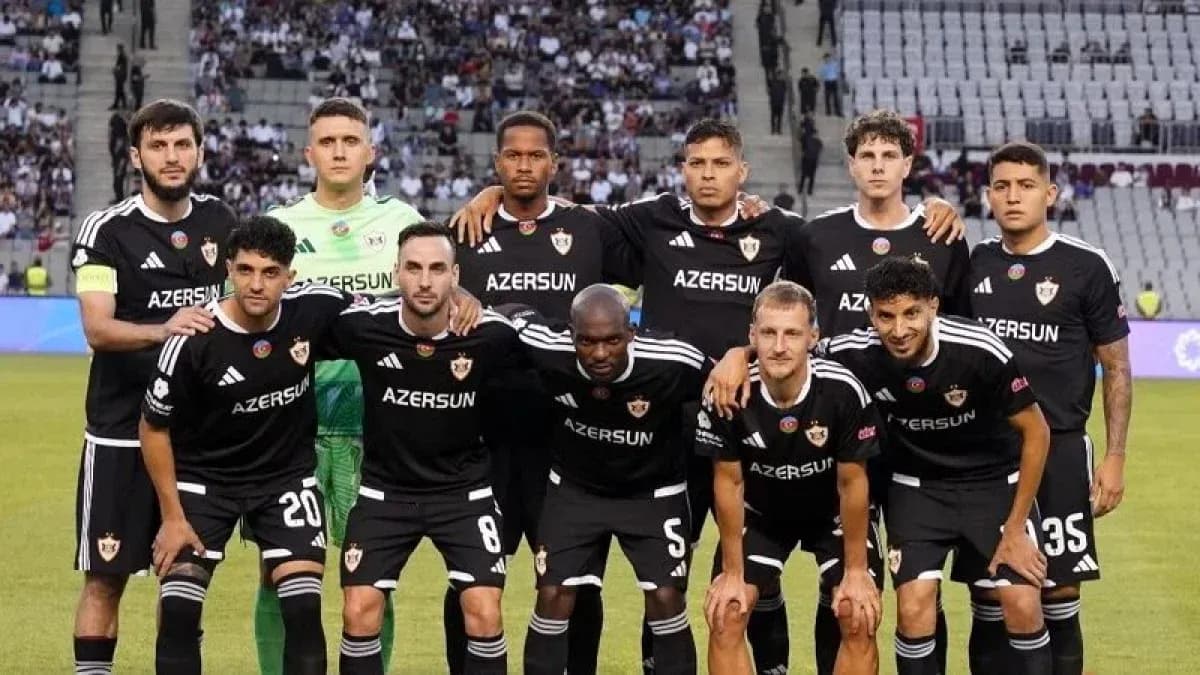
Qarabag host CSKA Sofia at the Tofiq Bahramov Stadium in Baku in the 2nd Qualifying Round of the UEFA Europa League, a two-legged tie that will heavily shape both clubs’ European trajectory in 2026. With no league-table context available yet, this match is primarily about securing a strong position in the tie and preserving the momentum both teams have built in early European action.
Head-to-Head Tactical Summary
The recent head-to-head history is limited and confined to club friendlies, but it leans clearly towards Qarabag. On 7 July 2021 in Fulpmes, CSKA Sofia hosted Qarabag in a friendly and lost 0–1. That pattern repeated in another friendly on 4 July 2023, again with CSKA Sofia at home and Qarabag away, ending 0–1; Qarabag led 1–0 at half-time and maintained that margin to full time. A scheduled friendly on 27 June 2026, with CSKA Sofia again listed as the home side, was cancelled and never played. In competitive terms this will be their first meeting, but tactically the precedent is of Qarabag being compact, efficient and able to edge tight games away from home against this opponent.
Global Season Picture
- League Phase Performance: There is no standings data yet for either Qarabag or CSKA Sofia in the Europa League, so current goals for, goals against and points within the league phase cannot be quantified from a table perspective. The only concrete competitive sample comes from their early qualifying fixtures captured in the team statistics.
- Season Metrics: In the league phase so far, Qarabag have been flawless across two matches, winning both, with one at home and one away. They have scored 6 goals (3 at home, 3 away) and conceded none, averaging 3.0 goals scored per match and 0.0 conceded, and have kept clean sheets in both games. CSKA Sofia have also started strongly with two wins from two, scoring 5 goals (3 at home, 2 away) and conceding 3 (2 at home, 1 away), for an average of 2.5 goals scored and 1.5 conceded per match. Qarabag’s early profile is of a high-output attack combined with a very tight defence, while CSKA Sofia show an attacking edge but a more open back line. Card data is only meaningfully populated for CSKA Sofia, where yellow cards cluster between minutes 46–75 and in added time, hinting at a side that can become stretched and reactive in later phases of matches.
- Form Trajectory: Qarabag’s form string of “WW” in the Europa League indicates two consecutive wins to open their campaign, with a perfect defensive record and clear attacking dominance. CSKA Sofia also show “WW”, reflecting a similarly positive start but with more goals conceded. Both teams arrive in this tie on upward trajectories, but Qarabag’s wins have been more controlled and defensively authoritative, while CSKA’s path has involved higher-scoring, more volatile games.
Tactical Efficiency
Across the early Europa League phase, Qarabag’s efficiency has been built on balance: two wins from two, six goals scored and none conceded, plus two clean sheets and no failures to score. That combination suggests a side that converts attacking phases into goals without compromising defensive structure. Their use of a consistent 4-2-3-1 in both matches underlines tactical stability and clear roles in and out of possession.
CSKA Sofia, also with two wins, show a more flexible but less stable profile. They have alternated between a 4-3-1-2 and a 3-5-2, scoring five goals but conceding three and failing to keep a single clean sheet. The variety in formations points to adaptability, but the goals against and the pattern of yellow cards – particularly in the 46–75 minute window and late in games – point to periods where their structure loosens and they rely on recovery defending and tactical fouls.
In comparative terms, Qarabag’s attack currently operates at a higher per-game output than CSKA Sofia’s while being underpinned by a defence that has yet to be breached. CSKA Sofia’s attack is productive but not as explosive, and their defensive metrics are clearly weaker. Translating that into tactical efficiency for this tie, Qarabag project as the side more likely to control territory and tempo, using their stable shape and clean-sheet record to manage risk, while CSKA Sofia may lean on transitional moments and formation tweaks to disrupt Qarabag but will need to tighten significantly without the ball to avoid being punished by a clinical opponent.
The Verdict: Seasonal Impact
This 2nd Qualifying Round tie is pivotal for both clubs’ 2026 European narratives. For Qarabag, a strong result at home would consolidate an already dominant early-season profile and put them on a clear path toward the later qualifying rounds, reinforcing their status as a side that can regularly reach the main phase of European competition. Maintaining their clean-sheet run here would signal that their defensive level is sustainable against better-calibre opposition, which is critical for any ambition of progressing deep into the Europa League.
For CSKA Sofia, this fixture is an inflection point. Their early wins show attacking promise, but the defensive concessions and disciplinary pattern suggest they are vulnerable against a side as efficient as Qarabag. A positive result in Baku – even a controlled draw with an away goal – would validate their tactical flexibility and keep them firmly in the hunt to advance, preserving their route toward the group stage and the financial and sporting upside that comes with it. A heavy defeat, by contrast, would expose structural weaknesses, jeopardise their qualification prospects, and likely force a recalibration of their defensive approach for the rest of their European campaign. In seasonal terms, the outcome here will largely determine whether each club’s 2026 story is one of progression into the European spotlight or an early exit that shifts focus back to domestic objectives.