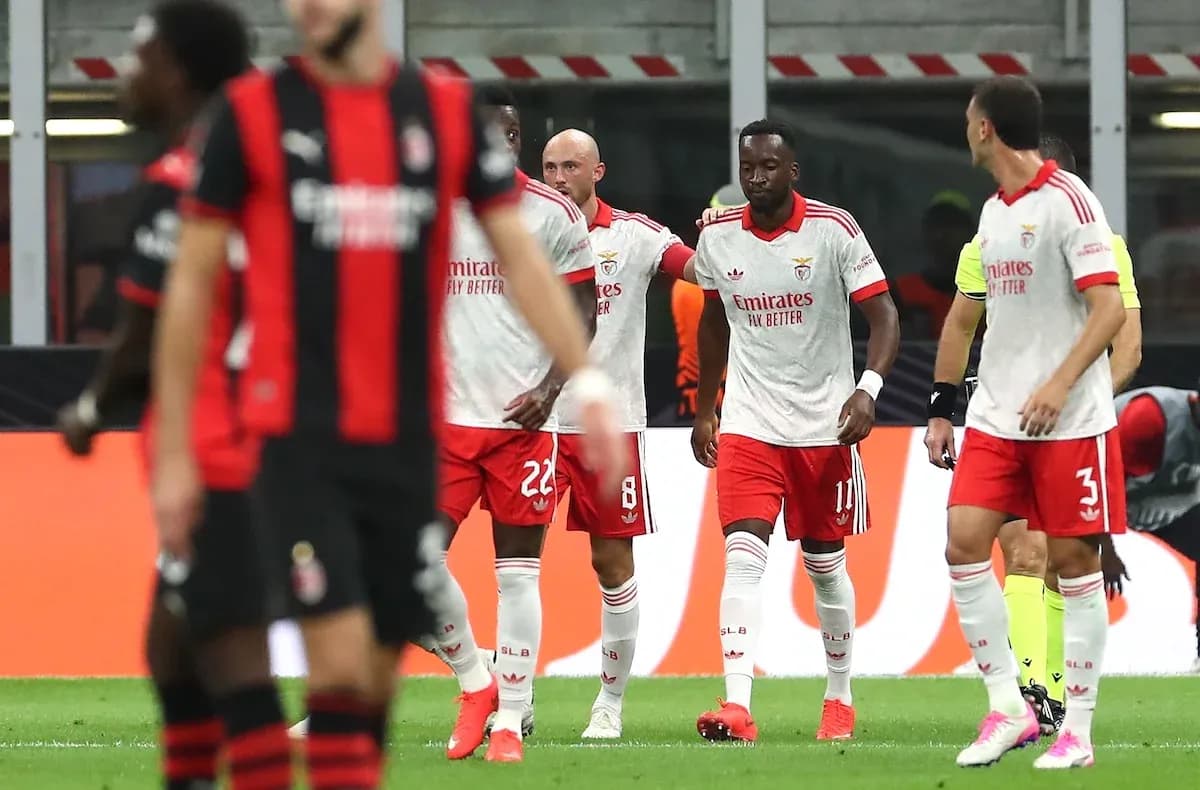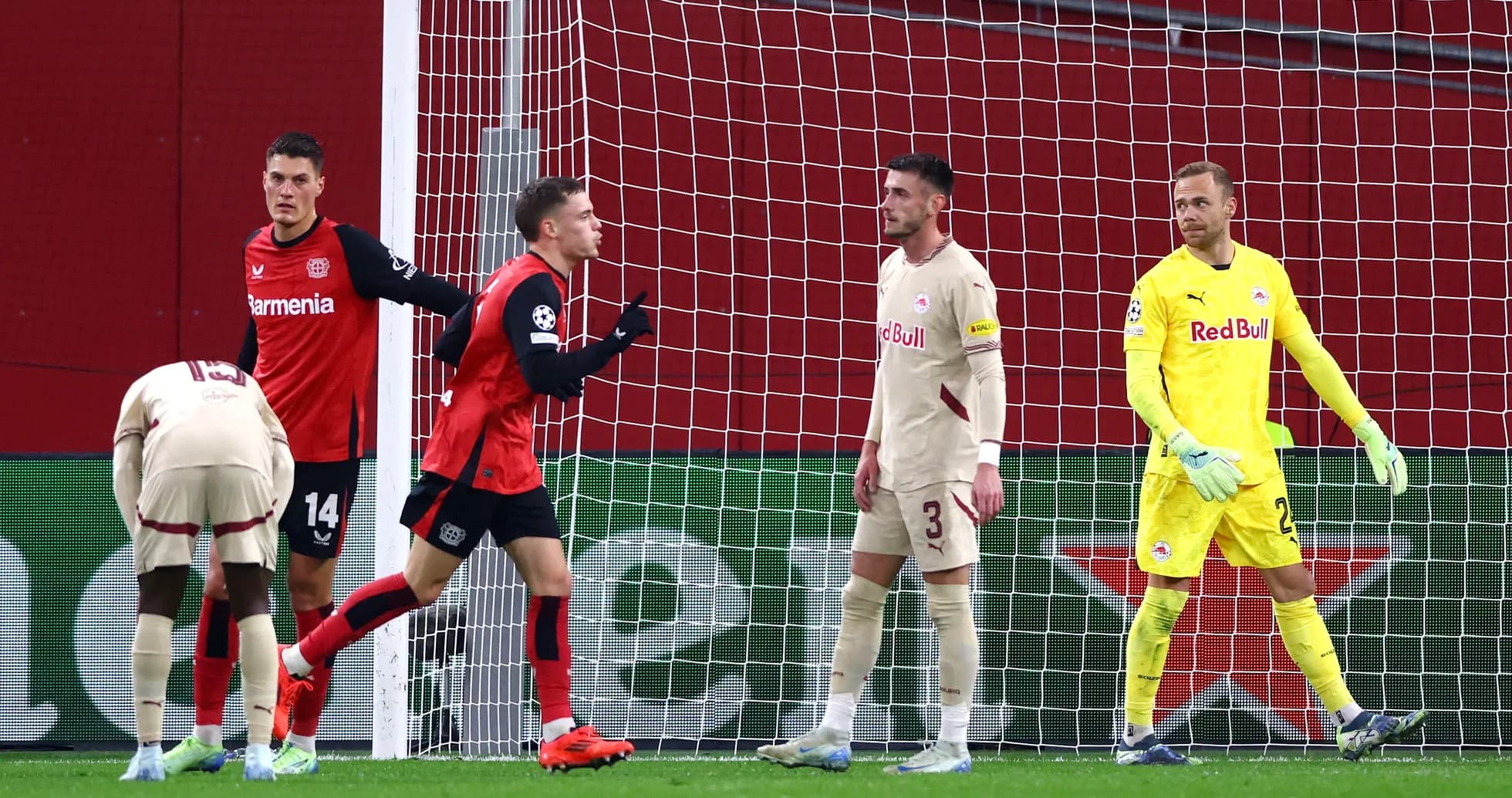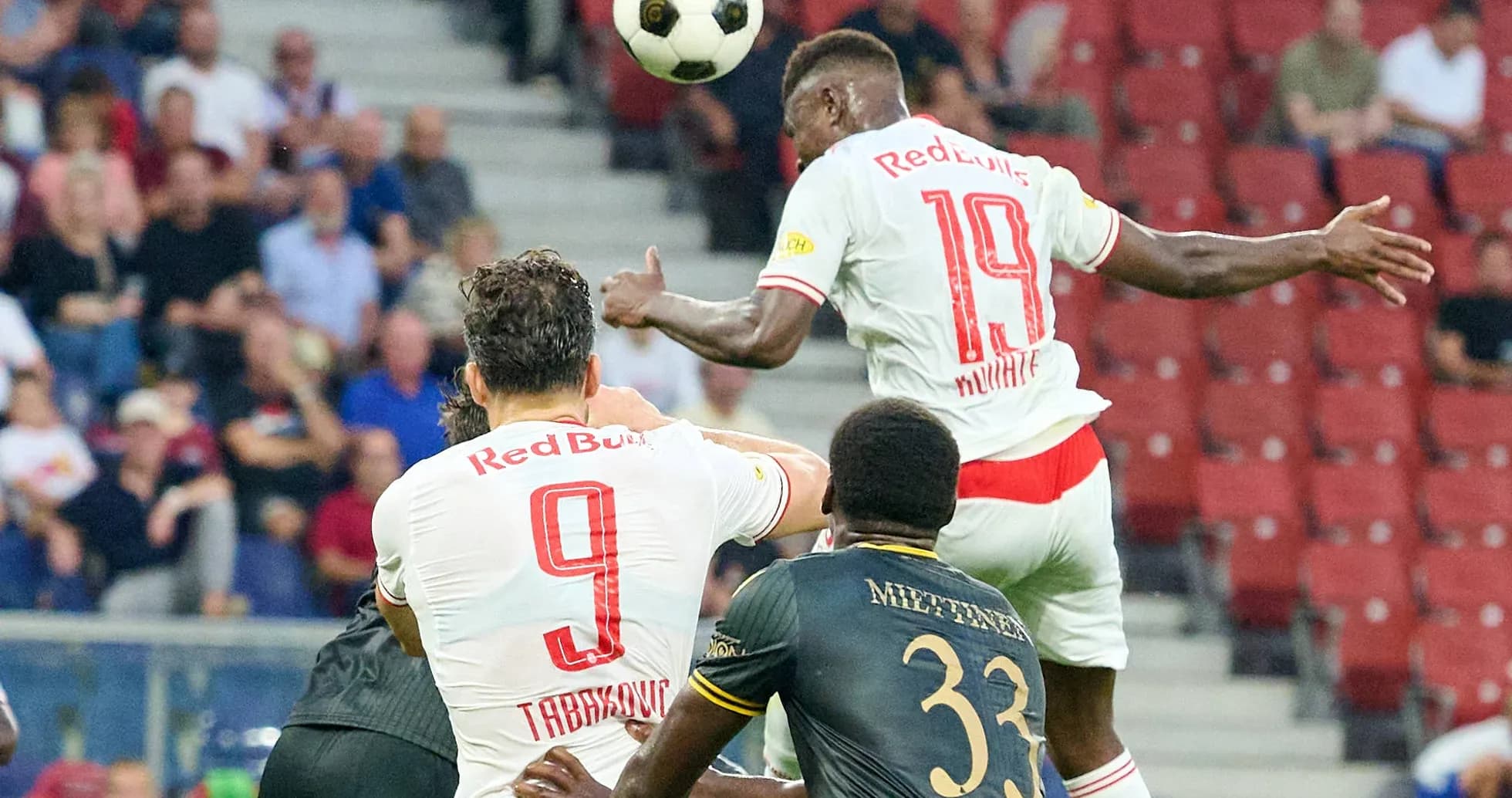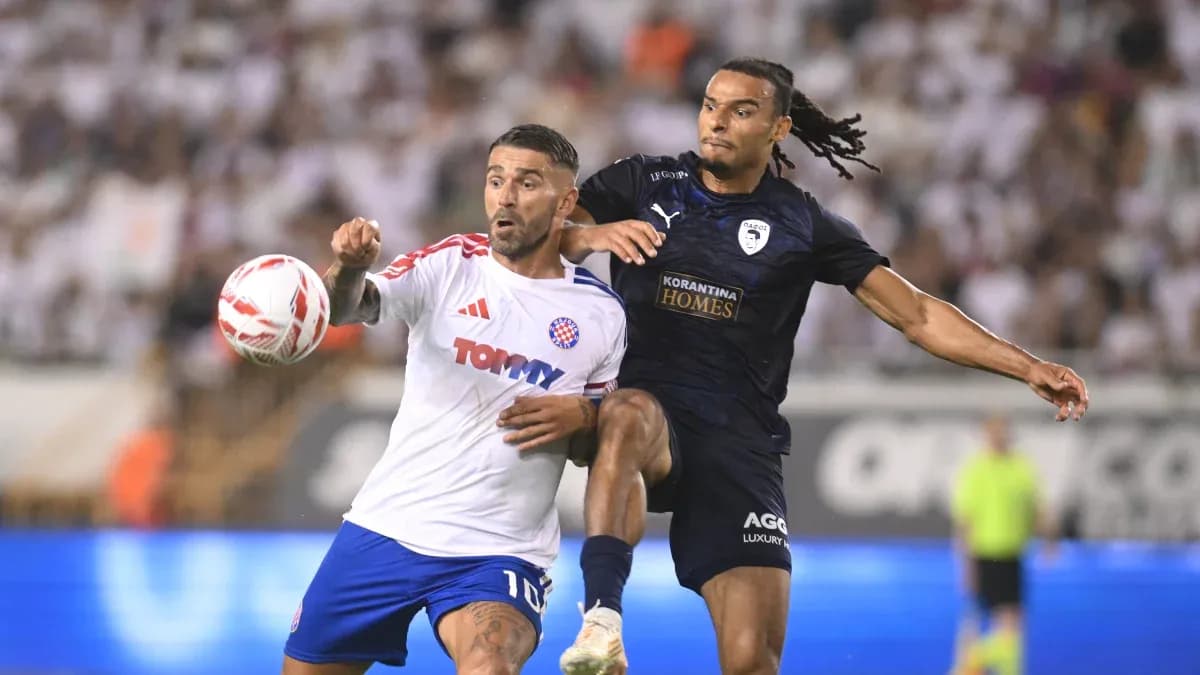
Pafos 2-0 HNK Hajduk Split: Tactical Mastery in Europa League
Pafos’ 2-0 win after extra time over HNK Hajduk Split at Alphamega Stadium was built on a clear structural plan rather than statistical dominance, as most numerical metrics are absent. Over 120 minutes in this UEFA Europa League 2nd Qualifying Round tie, Albert Celades’ 4-3-3 outmanoeuvred Gonzalo Garcia’s 4-2-3-1, progressively tilting the pitch in Pafos’ favour through intelligent midfield use, wide overloads and well-timed substitutions that directly shaped the scoring pattern.
Pafos started in a classic 4-3-3: R. Majecki in goal behind a back four of Bruno, D. Goldar, David Luiz and N. Ioannou. In midfield, Guga and I. Sunjic flanked D. Quina, with Biel and Jaja supporting central forward Lele. Against Hajduk’s 4-2-3-1, with T. Silic in goal, a back line of M. Acapandie, D. Maresic, A. Van Hoorenbeeck and S. Hrgovic, a double pivot of R. Pukstas and A. Pajaziti, and an attacking band of A. Guram, D. de Almeida and D. Melnjak behind striker M. Sego, the key early battle was in central zones.
Celades’ midfield three gave Pafos a natural 3v2 advantage against Hajduk’s double pivot. Guga and Sunjic could step beyond the first line of pressure without leaving Quina isolated, allowing Pafos to circulate possession and pick their moments to break lines. That superiority materialised on the scoreboard at 40', when Guga scored the opener. The timing is telling: after nearly a full half of probing, Pafos’ central structure finally converted territorial control into a breakthrough.
The discipline events underline how Pafos played on the edge to protect their structure. D. Goldar’s 12' yellow card for “Tripping” and Guga’s 45+4' booking for “Elbowing” reflect an aggressive defensive posture, particularly from the central defender and a key midfielder. Yet this risk-taking was calculated: Goldar later added Pafos’ second goal at 90', showing how Celades relied on his centre-back not only to defend high but also to attack set pieces and late-phase situations.
Tactical Adjustments
The first significant tactical shift came at 45+2', when V. Dragomir (IN) came on for Jaja (OUT). This change, just before half-time, suggested Celades wanted more control and vertical passing from midfield going into the second period and beyond. Dragomir later assisted Goldar’s 90' goal, validating that adjustment: a technically secure midfielder replacing a more direct wide threat to improve Pafos’ ability to manage transitions and deliver quality from deeper zones.
Hajduk’s 4-2-3-1 never fully solved the midfield deficit. A. Pajaziti’s 50' yellow card for “Roughing” illustrates how their double pivot was increasingly forced into reactive challenges as Pafos circulated around them. Garcia’s response was to adjust personnel rather than shape: at 53', A. Sanyang (IN) came on for A. Guram (OUT), adding fresh legs in the attacking midfield line; at 63', N. Sigur (IN) replaced M. Acapandie (OUT), and M. Livaja (IN) replaced S. Hrgovic (OUT). These moves pointed to a desire to push full-backs and wide players higher, but they did not change the underlying 4-2-3-1 structure or address the central overload.
Celades, by contrast, used his bench to both refresh and re-balance the team around his core principles. At 71', he made a double switch: J. Correia (IN) for D. Quina (OUT) and Pepe (IN) for Guga (OUT). This effectively renewed two-thirds of the midfield while preserving the 4-3-3 shape. Correia would later score at 117', assisted by Pepe, underlining how Pafos’ midfield rotation maintained energy and decision-making quality into extra time. Earlier, at 68', Sunjic had been booked for “Holding”, another sign of Pafos’ willingness to commit tactical fouls to stop Hajduk’s counters before they reached the back line.
The 82' double change — K. Sema (IN) for N. Ioannou (OUT) and M. Mammadov (IN) for I. Sunjic (OUT) — subtly reconfigured Pafos’ left side and midfield legs for the closing stages of normal time, while preserving defensive stability. With Hajduk chasing the game, this fresh energy in wide and central zones helped Pafos compress space and spring late attacks, culminating in Goldar’s 90' goal from Dragomir’s supply and Biel’s 93' strike to make it 2-0.
Hajduk’s late changes were more reactive than structural. At 85', A. del Moral (IN) replaced A. Pajaziti (OUT), refreshing the double pivot but not changing its nature. R. Pukstas’ 96' yellow for “Tripping” further underlined the strain on that area as the game went into extra time. At 98', A. Sutalo (IN) came on for D. de Almeida (OUT), and at 106', M. Skelin (IN) replaced D. Maresic (OUT). These moves shuffled personnel across the back and midfield lines but did not generate a new pattern capable of disrupting Pafos’ control.
In extra time, Celades continued to manage the load intelligently. At 103', A. Brito (IN) replaced Biel (OUT), maintaining intensity on the flank while protecting a key attacker who had already scored at 93'. The final goal at 117', with Correia finishing from a Pepe assist, was the purest expression of Pafos’ bench-driven strategy: two substitutes combining in advanced midfield spaces against a fatigued Hajduk structure.
Statistical Overview
From a statistical standpoint, the only hard team numbers available are disciplinary: Pafos collected 3 yellow cards (D. Goldar — “Tripping”, Guga — “Elbowing”, I. Sunjic — “Holding”), while HNK Hajduk Split received 2 (A. Pajaziti — “Roughing”, R. Pukstas — “Tripping”). There were no red cards. With no recorded data for possession, shots, passes, xG, saves or goals prevented, we cannot quantify Pafos’ territorial or chance creation superiority. However, the timing of the goals (40', 90', 93', 117') and the direct involvement of substitutes in three of them (Dragomir’s assist, Correia’s goal, Pepe’s assist) strongly indicate that Pafos managed game states and energy better over 120 minutes.
Structurally, Pafos’ 4-3-3 consistently exploited Hajduk’s 4-2-3-1 by creating a central overload, then refreshing that zone with like-for-like substitutions to maintain intensity. Hajduk’s changes, while numerous, never altered the fundamental double-pivot problem. In a match where the numerical stat sheet is largely blank, the tactical narrative — shape superiority, bench impact, and disciplined aggression — explains why Pafos controlled the tie and advanced with a 2-0 scoreline after extra time at Alphamega Stadium.