Orlando City II Dominates Inter Miami II in 4-1 Victory
The night at Osceola County Stadium ended with the scoreline that had been threatening to arrive all month: Orlando City II 4, Inter Miami II 1. Following this result, the table tells a story of two very different MLS Next Pro projects, but it is the squads – their structure, their flaws, and their evolving identities – that truly explain how this game unfolded.
I. The Big Picture – contrasting trajectories
In the Eastern Conference picture, Orlando City II sit 7th with 19 points and a goal difference of 2, firmly in the zone described as “Promotion – MLS Next Pro (Play Offs: 1/8-finals)”. Across 11 matches overall they have 7 wins, 0 draws and 4 defeats, scoring 23 and conceding 21. The season’s statistical DNA is clear: high-event football, leaning towards controlled chaos rather than sterile dominance.
At home, that chaos sharpens into a weapon. Orlando have played 6 home games, winning 4 and losing 2, with 15 goals for and 13 against in the standings. The season statistics are even more generous: on their own pitch they have scored 17 in total, conceding 14. Heading into this game, they were averaging 2.8 goals for at home and 2.3 against – a side that attacks with conviction and accepts the risks that come with it.
Inter Miami II arrive from the opposite extreme. In the Eastern Conference, they are 16th with 4 points, goal difference -20. Overall, 11 matches have yielded 1 win, 0 draws and 10 losses, with 12 goals scored and 32 conceded in the standings; the broader stats stretch that to 13 for and 34 against. On their travels, they have 1 win and 5 defeats from 6 away fixtures, scoring 7 and conceding 18 in the standings, with the statistical profile showing an away average of 1.3 goals scored and 3.2 conceded. This is a team living permanently on the back foot, whose defensive structure has not yet found a stable form.
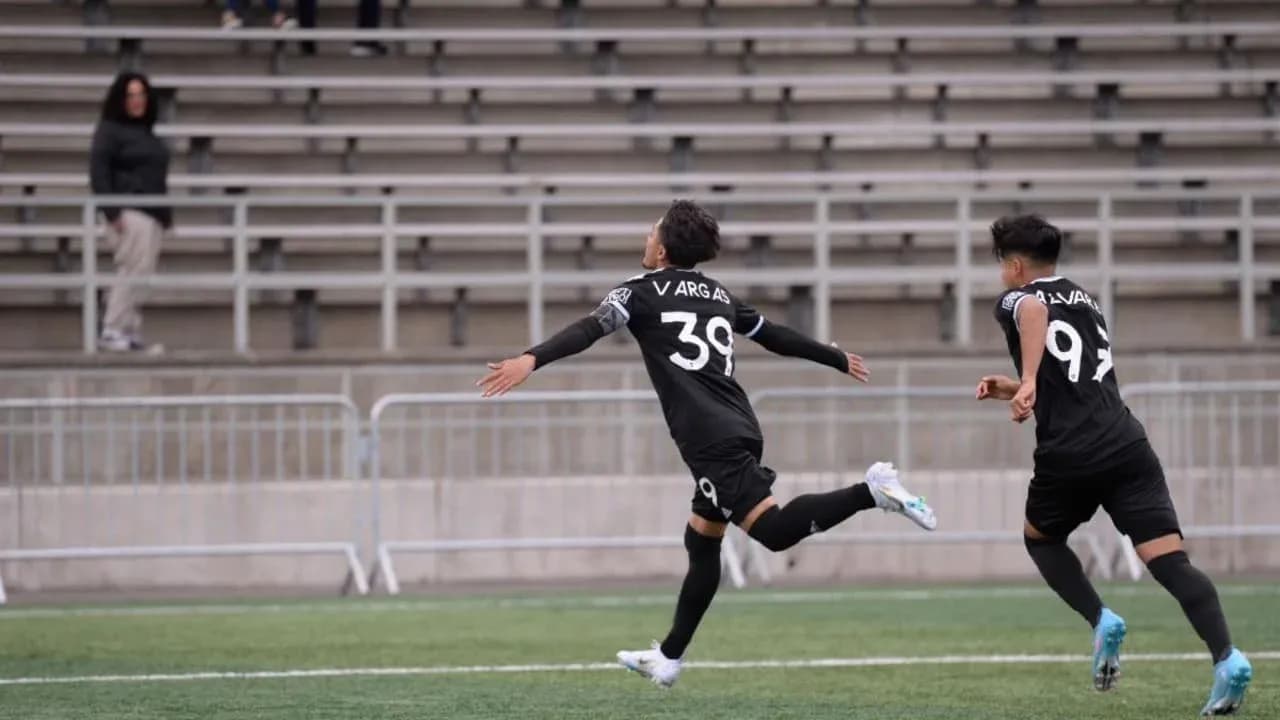
That dynamic played out brutally in the first half: Orlando raced to a 3-0 lead by half-time, effectively ending the contest before the interval.
II. Tactical voids and discipline – where the cracks appear
The lineups underline the different stages of development. Orlando City II’s starting XI – with T. Himes, Z. Taifi, N. Miller, C. Archange, T. Reid-Brown, I. Gomez, C. Guske, I. Haruna, Pedro Leao, B. Rhein and H. Sarajian – reads like a coherent core that has been trusted repeatedly. The bench, featuring the likes of J. Rojas, D. Baczewski, J. Hylton and P. Amoo-Mensah, gives them options to adjust rhythm and energy without sacrificing intensity.
Inter Miami II, under Raul Ledesma Cristian, fielded M. Marin, T. Vorenkamp, D. Sumalla, N. Almeida, C. Abadia-Reda, T. Hall, A. Shaw, J. Convers, M. Saja, M. Acevedo and I. Zeltzer-Zubida, with a relatively short bench of eight. The lack of a listed formation hints at a side still searching for its tactical identity, often forced to react rather than impose.
Disciplinary trends add another layer. Orlando’s yellow-card distribution this season shows a spike between 31-45 minutes, where 27.27% of their cautions arrive, and a strong early-mid block from 16-60 minutes. They play on the edge in the heart of each half, pressing and counter-pressing aggressively. Crucially, they have no red cards recorded, suggesting that while they live dangerously, they manage that risk.
Inter Miami II’s yellow cards peak between 46-60 minutes (26.67%) and 76-90 minutes (23.33%), with a notable late-game surge in discipline issues. More tellingly, both of their red cards come in the 76-90 minute window, a 100.00% concentration of dismissals in the closing phase. This is a squad that unravels under fatigue and scoreboard pressure – exactly what happened here as Orlando’s early avalanche forced Miami to chase shadows for long stretches.
III. Key matchups – hunters and shields, engines and disruptors
Without individual goal and assist tallies, the “Hunter vs Shield” narrative becomes collective. Orlando’s home attack, averaging 2.8 goals, confronted an Inter Miami II defence that, on their travels, has been shipping 3.2 goals per game. The match-up was always tilted towards the hosts; the 4-1 final margin simply confirmed the statistical prophecy.
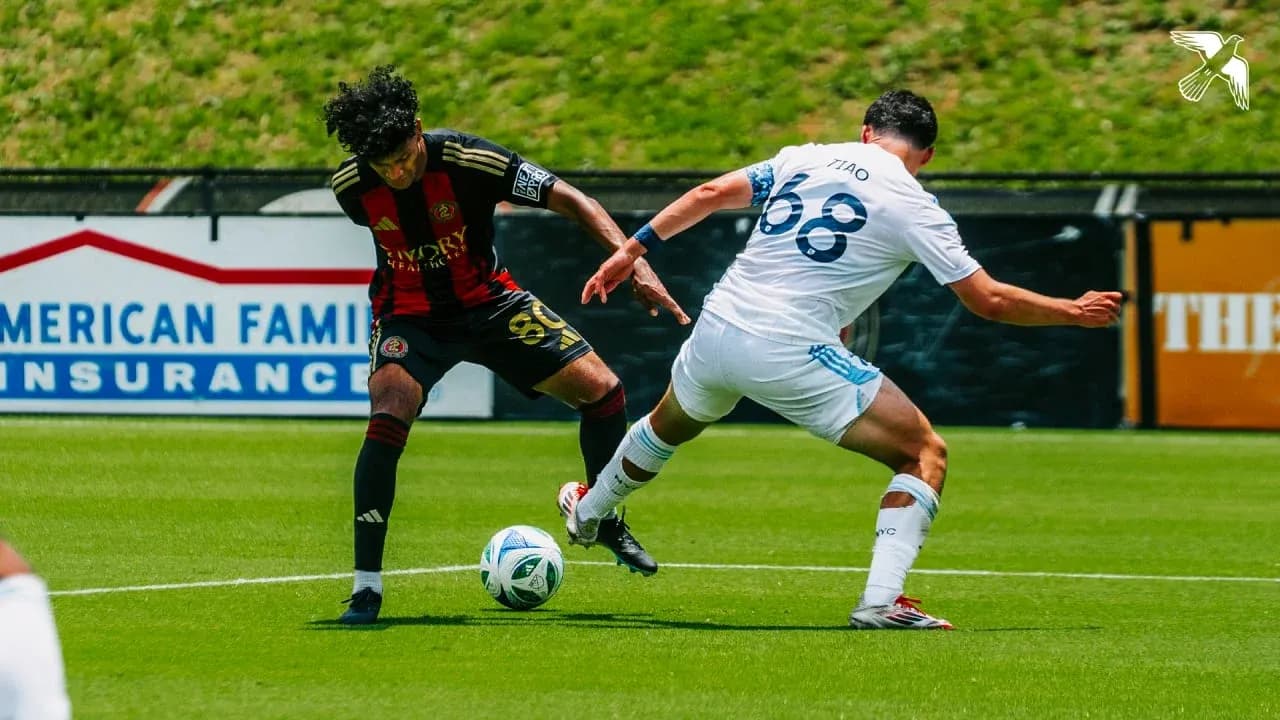
The first half was where Orlando’s collective hunter instinct overwhelmed Miami’s fragile shield. Players like Pedro Leao, B. Rhein and H. Sarajian, supported by the vertical energy of I. Haruna and the structural work of C. Guske and I. Gomez, formed an “engine room” that controlled territory and tempo. With Orlando averaging 2.4 goals in total per game and conceding 2.0, their midfield is built less to suffocate and more to accelerate – to turn turnovers into chances quickly.
On the other side, Inter Miami II’s engine room, with T. Hall and A. Shaw central to linking play, had to operate against a side comfortable in open exchanges. Miami’s overall scoring average of 1.2 per game is not catastrophic, but when paired with 3.1 conceded overall, every mistake becomes fatal. Their best away win this season, a 1-2 scoreline, shows they can punch when the game state is balanced; this fixture never offered them that luxury after the early Orlando surge.
Defensively, Orlando are far from watertight – they concede 2.3 at home on average and have only 1 clean sheet in total this season – but in this game their early attacking dominance allowed the back line of Taifi, Miller, Archange and Reid-Brown to defend with the cushion of a lead rather than the anxiety of a stalemate.
IV. Statistical prognosis – why this result made sense
From an xG-style perspective, the pre-match indicators all leaned purple. Orlando’s home goals for (17 in total) versus Miami’s away goals against (19 in total) created a projection of a multi-goal night for the hosts. Orlando’s lack of clean sheets at home and Miami’s 1.3 away goals per game hinted that the visitors might still find a consolation – which they did in the 4-1 scoreline – but not enough to tilt the balance.
Penalties offered no distortion: Orlando had taken 2 in total this season, scoring both with a 100.00% conversion and no misses, while Inter Miami II had yet to win a spot-kick. The game was therefore always likely to be decided in open play and transition moments, areas where Orlando’s home averages and aggressive card profile suggest they thrive.
Following this result, Orlando City II consolidate their status as a volatile but dangerous playoff contender, a side that can blow opponents away early and live with the defensive consequences. Inter Miami II remain a project in survival mode: 1 win from 11, a goal difference of -20 in the conference table, and a late-game disciplinary pattern that speaks of mental and physical strain.
The squads, more than the scoreline, explain the gap. Orlando’s core looks defined, their rotations purposeful. Inter Miami II’s selection feels more like a search party than a settled unit. Until that changes, nights like this – where a 3-0 half-time lead becomes a routine 4-1 – will remain less a shock and more an inevitability.