One Knoxville Edges Chattanooga Red Wolves in Intense Cup Tie
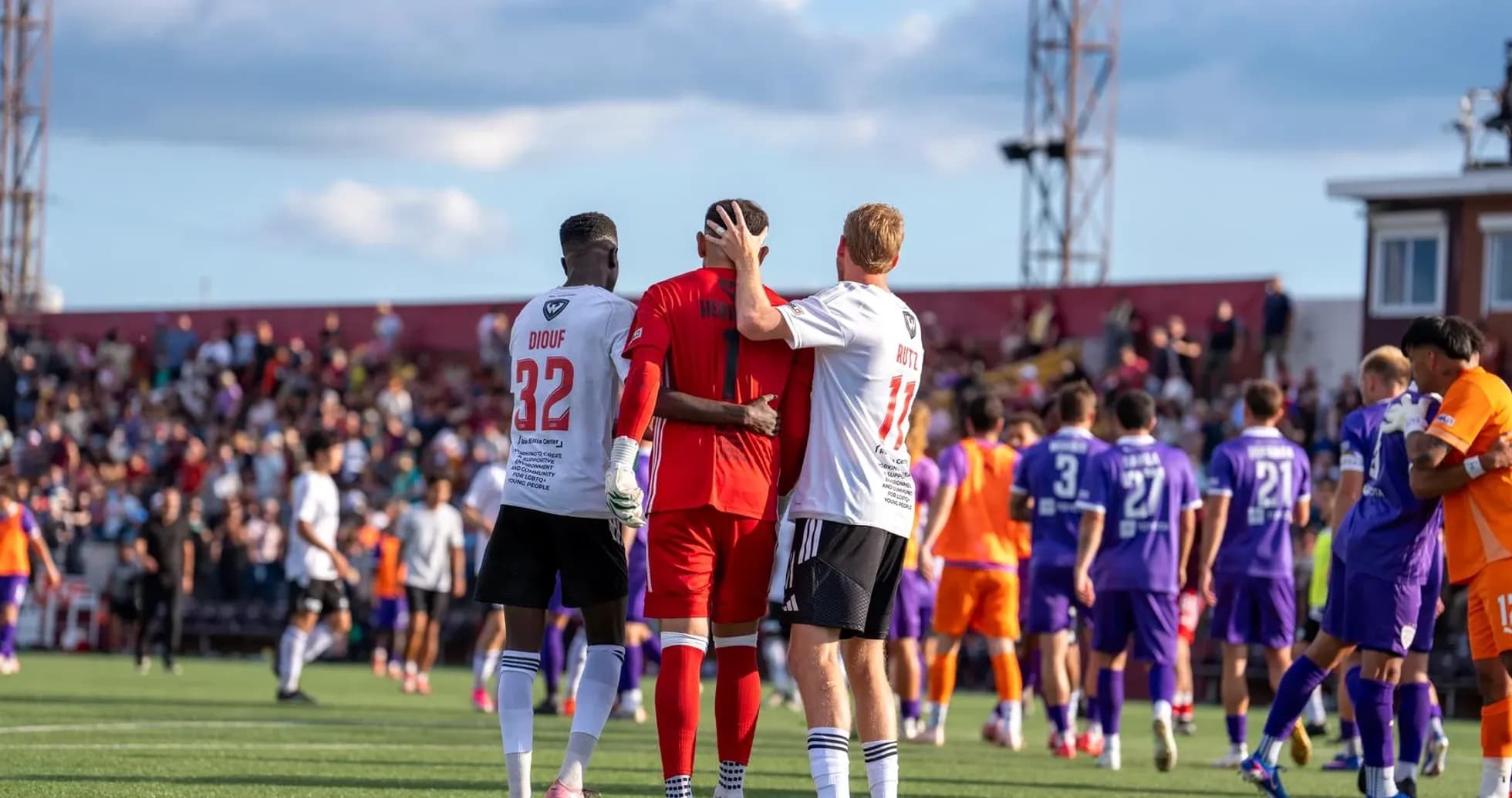
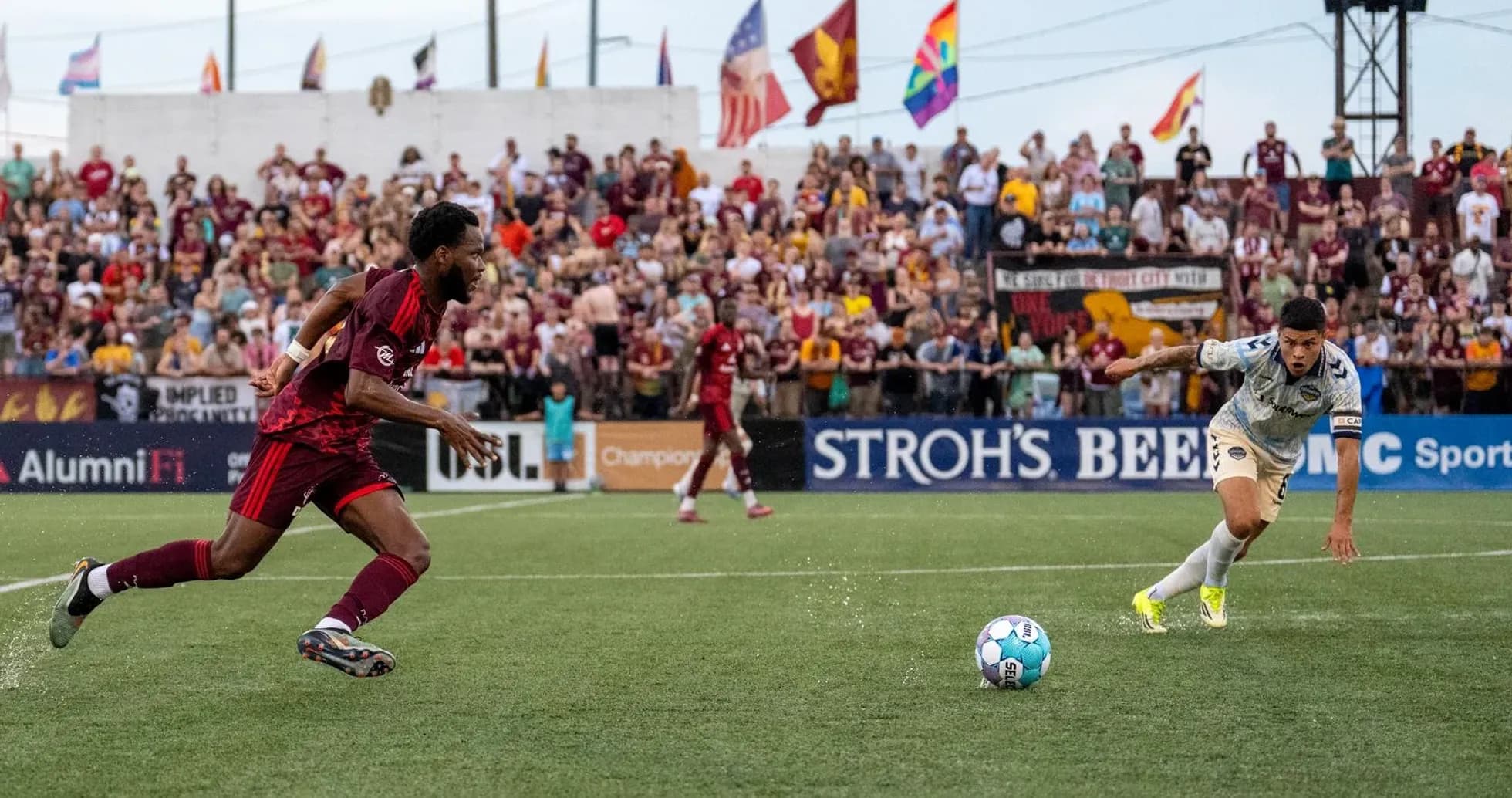
Under the lights of Regal Stadium, One Knoxville and Chattanooga Red Wolves went the full distance and beyond, needing 120 minutes and a shootout to separate them in a Group Stage tie that felt more like a knockout. The fixture finished 1–1 after normal time before One Knoxville edged the penalties 5–4, a result that crystallised the contrasting trajectories both sides have been tracing through the USL League One Cup.
Heading into this game, the table already hinted at those diverging paths. One Knoxville sat 3rd in USL Cup 2026, Group 3 with 4 points and a goal difference of 1, their overall record showing 2 wins, 2 draws and 1 defeat with 10 goals for and 9 against. Chattanooga, by contrast, were 6th with 2 points and a goal difference of -3, winless with 0 wins, 2 draws and 3 losses, having scored 8 and conceded 11 overall. The league’s statistical snapshot reinforced that story: One Knoxville’s cup profile was that of a positive, front-foot side, while Chattanooga’s was of a team constantly chasing the game.
For One Knoxville, the season’s DNA has been defined by balance and edge. In total this campaign they had played 3 cup fixtures, winning 2 and losing 1, with no draws in the statistics block. At home they had 2 fixtures, splitting them with 1 win and 1 defeat; on their travels, they had been perfect, winning their sole away outing. Their attacking numbers were quietly efficient: 4 goals in total, split evenly with 2 at home and 2 away. That translated to an average of 1.0 goals at home, 2.0 on their travels, and 1.3 overall. Defensively, they conceded 3 in total – 2 at home and 1 away – for a neat symmetry of 1.0 goals against per game both at home and away, and 1.0 overall. No clean sheets yet, but no collapse either.
Chattanooga arrived with a very different statistical imprint. In total this campaign they had played 3 fixtures and lost all 3, 2 at home and 1 away. They had scored only 2 goals overall – 1 at home and 1 on their travels – for an average of 0.5 at home, 1.0 away, and 0.7 overall. The defensive side was more troubling: 5 goals conceded in total, 3 at home and 2 away, equating to 1.5 at home, 2.0 on their travels, and 1.7 overall. No clean sheets, one match where they failed to score, and a biggest losing margin of 2–1 both home and away painted the picture of a team always within reach but never quite able to flip the script.
Ian Fuller’s selection for One Knoxville underlined a blend of solidity and vertical threat. N. Lemen anchored the side from the back, with J. Brown, S. McLeod and Bull forming the core of a defensive unit tasked with maintaining that 1.0 goals-against average. D. Williams and J. J. Murphy offered the connective tissue in midfield, with H. Cordova and E. Conway stretching lanes and providing the running power to turn defence into attack. Further forward, M. Goling, K. Linhares and B. Diene gave Fuller a flexible front line, capable of rotating between the lines and exploiting the spaces between Chattanooga’s lines.
On the bench, there was depth to change the rhythm: J. Burke as an alternate in goal, J. Skelton as defensive cover, and the likes of A. Caputo, S. Zarokostas and D. Krioutchenkov ready to inject fresh energy and directness higher up the pitch. In a match that would go to 120 minutes, that bench profile mattered; every “[IN] replaced [OUT]” decision would be a lever to adjust tempo and territory.
Scott MacKenzie’s Chattanooga XI, meanwhile, leaned on technical profiles and transitional punch. R. Jerez stood in goal, shielded by a back line built around J. Ramos, C. Engmann, E. Kinzner and Y. Lelin. Ahead of them, O. Hernandez and A. Kelly-Rosales offered ball-winning and distribution, with M. Acosta and A. Lombardi as the shuttlers linking into the attacking pair of P. Hernandez and M. Bentley. It was a configuration geared towards springing quickly once possession was won, hoping to compensate for a goals-against average of 1.7 overall with sharp counter-attacks.
Chattanooga’s bench carried its own set of tactical tools: J. Smith as the alternative goalkeeper, R. Mensah and J. Ayimbila as defensive and wide options, and forwards like G. Mercer capable of altering the attacking reference point late on. W. Wessels and T. Adewole added further flexibility in the back and middle thirds.
The disciplinary patterns across the season framed an important sub-plot. One Knoxville’s yellow cards were concentrated late: 50.00% of their cautions arrived between 61–75 minutes, with another 50.00% between 91–105 minutes. That pointed to a side that tightened its grip as the game stretched, sometimes at the cost of bookings. Chattanooga’s discipline curve was more spread but no less significant: 12.50% of their yellows came in the opening 0–15 minutes, 25.00% in the 31–45 window, 37.50% between 46–60, and another 25.00% from 76–90. This suggested a team oscillating between early nerves and mid-game overreach, a pattern that can fracture structure at precisely the moments when opponents like One Knoxville look to accelerate.
In the “Hunter vs Shield” dynamic, One Knoxville’s attack – averaging 1.3 goals in total – met a Chattanooga defence conceding 1.7 in total. The numbers leaned towards the hosts finding a way through, especially given their stronger attacking output on their travels, which often reflects a team comfortable in transition and confident in one-on-one duels. Conversely, Chattanooga’s 0.7 goals-for average in total was always going to be tested by a One Knoxville side that, while not watertight, had kept every game within a one-goal margin and had yet to be blown away.
The “Engine Room” battle was encapsulated by figures like J. J. Murphy and D. Williams against O. Hernandez and A. Kelly-Rosales. For Knoxville, the mandate was clear: control the central lanes, limit transition exposure, and feed the movement of Linhares and Diene early. For Chattanooga, the task was to disrupt that rhythm, turn the match into a series of broken plays, and use Acosta and Lombardi to break lines before One Knoxville could set their block.
Following this result, the statistical prognosis broadly held. One Knoxville again operated in that narrow band between control and chaos, conceding once but finding the resilience and composure to prevail from the spot, even in a competition where neither side had yet taken or missed a penalty in open play this season. Chattanooga, for all their fight, saw their underlying trends persist: close margins, honest work, but a defensive record that left them exposed when the match tightened.
In xG terms – even without explicit values – the pattern is clear: a One Knoxville side with a higher goals-for average, a more stable goals-against record, and a late-game card profile that speaks to territorial aggression, against a Chattanooga team whose defensive leakage and disciplinary spikes invite pressure at precisely the wrong times. Over a long campaign, that combination usually tilts the balance the way it did here: towards the side with the sharper edge in both boxes, and the nerve to carry it through to the final kick from 12 yards.