Detroit City vs. Louisville City: A Tactical Stalemate
Under the floodlights at Keyworth Stadium, Detroit City and Louisville City dragged each other through 120 minutes of stalemate before Louisville finally slipped the knife in from the spot, edging a 4–3 penalty shootout after a 0–0 draw. Following this result, the numbers and the narrative of their USL League One Cup campaigns pull in opposite directions: Detroit, ranked 5th in Group 4 with 4 points and a goal difference of -1, look braver than their record, while Louisville, the group’s pacesetter in 1st with 6 points and a goal difference of 6, showed that even a free-scoring side can be forced into a grind.
This was billed as a clash of identities. Heading into this game, Detroit’s season had been defined by narrow margins: in total this campaign they had played 3 fixtures, winning 1 and losing 2, with only 2 goals scored and 3 conceded overall. At home they had struggled badly, with 2 defeats from 2, scoring just 1 goal and conceding 3. Louisville, by contrast, arrived as the tournament’s early juggernaut. On their travels and at home alike they averaged 3.0 goals for per game, with 9 in total this campaign and only 2 conceded overall. Everything about the form guide screamed open contest; the match itself became a tense, tactical arm wrestle.
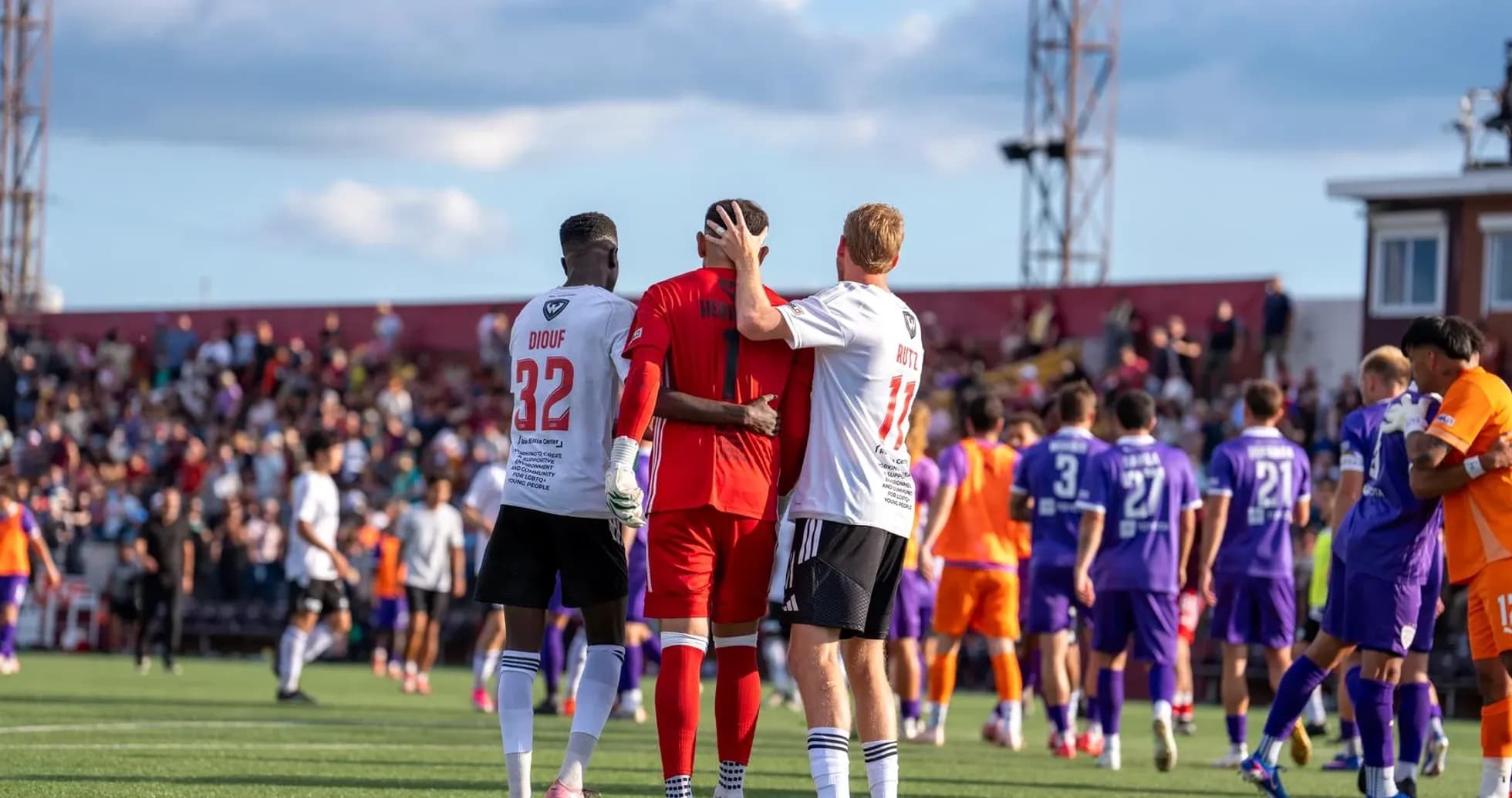
Danny Dichio’s Detroit XI was built around a compact spine. C. Herrera in goal fronted a back line anchored by R. Hope-Gund and D. Amoo-Mensah, flanked by H. Yamazaki and T. Silva. Ahead of them, K. Hernandez-Foster and A. Stanley provided the legs and aggression in midfield, with Rafa Mentzingen and A. Diop tasked with connecting to the front. A. Diouf and B. Morris gave Detroit a dual threat in the final third: Diouf drifting into pockets, Morris as the more direct reference point.
Simon Bird’s Louisville leaned into their attacking pedigree. D. Faundez started in goal, protected by S. Totsch and B. Dayes centrally, with A. McFadden and A. Dia offering width from the back. Z. Duncan anchored midfield, allowing B. Niang and J. Morris to step higher between the lines. J. Wilson and R. Serrano stretched the pitch from wide areas, while T. Showunmi led the line as the central focal point.
Tactically, Detroit’s primary void was not personnel but profile. Their season data shows a side that finds it hard to sustain attacking volume: in total this campaign they averaged only 0.7 goals for per match, and at home just 0.5. That lack of punch meant every missed half-chance felt heavier. The penalty record underlined the same fragility. Detroit had earned 5 penalties in total this campaign, but scored only 3 of them; the 40.00% miss rate hung over the shootout like a storm cloud, and when it came to the spot, that psychological baggage was impossible to ignore.
Louisville’s tactical gap was of a different kind. They had not failed to score in any of their 3 fixtures and had yet to lose, but they were used to controlling games through firepower rather than patience. Their goals against profile – just 2 conceded in total this campaign, with an overall average of 0.7 per match – masked a team that can be drawn into transitions when frustrated. Detroit’s plan, therefore, was clear: compress space, deny central pockets to Niang and J. Morris, and force Louisville into hopeful wide deliveries rather than the incisive combinations that had produced wins of 3–1 at home and 5–1 on their travels.
Discipline became a hidden subplot. Detroit’s yellow-card timing shows a team that tends to live on the edge after the break: 37.50% of their cautions arrive between 46–60 minutes, with another 25.00% in the 76–90 window. Louisville, for their part, load their bookings even more heavily into the heart of the second half, with 42.86% of their yellows between 46–60 minutes. The middle third of this match inevitably became scrappy. Hernandez-Foster and Stanley bit into tackles to keep Duncan from dictating tempo, while Totsch and Dayes stepped aggressively into Morris’s back to prevent Detroit from gaining territory through hold-up play.
Within that chaos, the key duels crystallised. The “Hunter vs Shield” dynamic was embodied by Louisville’s attacking unit – Serrano, Wilson, Showunmi – against a Detroit defence that, for all its home frailty (1.5 goals against per game at Keyworth heading into this game), had kept 1 clean sheet on their travels and knew how to suffer. Hope-Gund and Amoo-Mensah were forced into a night of pure concentration, tracking Showunmi’s movement and cutting off early crosses to the far post.
In the “Engine Room,” Z. Duncan’s battle with A. Diop and Rafa Mentzingen shaped the rhythm. Duncan’s remit was to keep Louisville’s 3.0 goals-per-game machine ticking, recycling possession and finding Niang and J. Morris between the lines. Detroit’s response was to crowd that zone, accepting that they would sacrifice some attacking fluidity of their own if it meant denying Louisville the central corridors that had made them so devastating in open play.
After 120 minutes without a breakthrough, the match was decided from the spot, where the season-long penalty narratives collided. Louisville came in with 4 penalties taken and 4 scored – a perfect 100.00% record. Detroit carried those 2 misses from 5. The shootout merely confirmed the trend: Louisville’s technique and composure held, Detroit blinked first. The 4–3 margin in the shootout felt like the statistical inevitability of one side’s cold ruthlessness against another’s lingering doubt.
From an xG and defensive-solidity standpoint, the prognosis emerging from this tie is nuanced. Louisville’s underlying numbers – 3 wins from 3 in total this campaign, 9 goals for and only 2 against – still mark them as the group’s benchmark. Yet Detroit’s ability to drag them into a goalless 120-minute contest suggests that well-drilled, compact blocks can smother Louisville’s preferred patterns, especially if they are willing to accept a low-possession, high-duel game.
For Detroit, the path forward is clear: their defensive structure is good enough to compete, but with only 2 goals in 3 fixtures and a penalty conversion rate of 60.00%, their margin for error remains razor-thin. Unless their front line – Morris, Diouf, Mentzingen – can lift that attacking output, they will continue to rely on perfect defensive nights and coin-flip shootouts. Louisville, meanwhile, leave Keyworth with their aura intact but their blueprint exposed: against opponents who can match their physicality and deny space between the lines, they may need a Plan B that goes beyond simply trusting their superior firepower.