Nigeria’s Super Falcons Aim for 11th Title at 2026 WAFCON
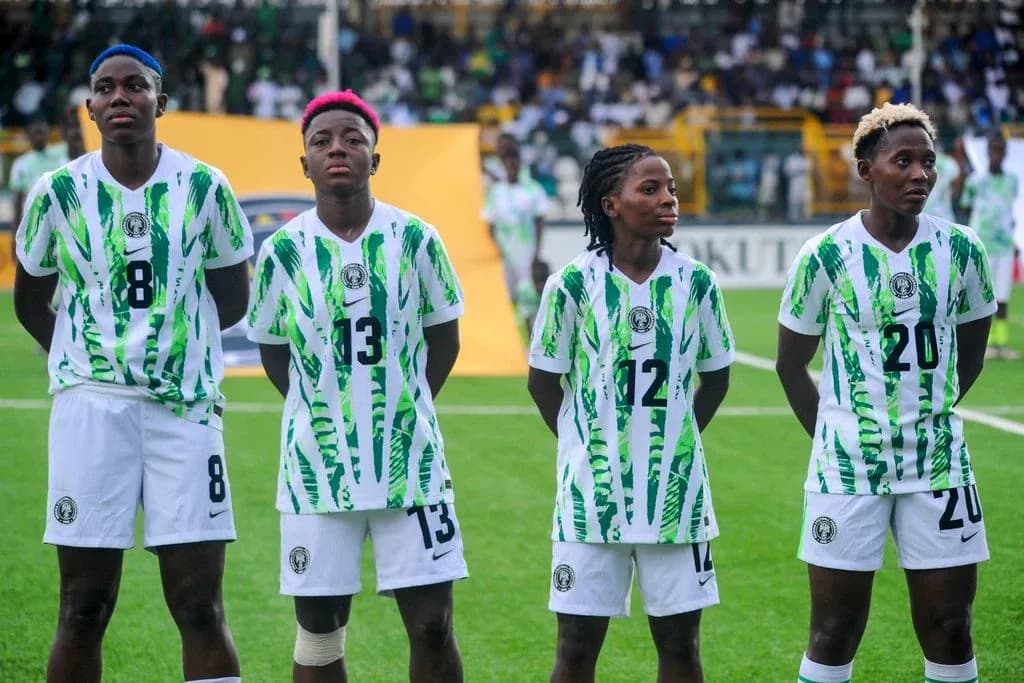
Nigeria’s Super Falcons have drawn back the curtain on their latest cast of contenders, naming a 25-woman squad for the 2026 Women’s Africa Cup of Nations in Morocco and stepping into a tournament they know better than anyone else on the continent.
Eleven titles is the target. Ten already sit in the cabinet.
Madugu’s blend of steel and stardust
Head coach Justine Madugu has gone for a familiar Nigerian formula: proven leaders wrapped around hungry, emerging talent. The list, released by the Nigeria Football Federation, stretches from Europe’s top leagues to the Nigerian Women’s Football League, with North America and Asia in between.
At the heart of it all is captain Rasheedat Ajibade. Once the bright young thing, now the fulcrum of the midfield, she arrives in Morocco as one of Africa’s most influential players, expected to drive the tempo and the tone.
Alongside her stands the continent’s most decorated forward. Asisat Oshoala, a six-time African Women’s Player of the Year, again headlines the attack. Her presence alone reshapes defensive game plans.
Behind them, Chiamaka Nnadozie remains the rock in goal. The Brighton & Hove Albion shot-stopper has grown into one of the most reliable keepers in the women’s game, and there is no indication her status as first choice is under threat. She is joined in the goalkeeping unit by Comfort Erhabor of Portsmouth Ladies and Abia Angels’ Fatima Oloko, both pushing to prove they can be trusted if called.
Not every headline name made it. Star defender Ashleigh Plumptre misses out as she continues her recovery from surgery, a significant absence in both quality and personality. Nigeria, though, are used to finding solutions.
Depth across the pitch
Madugu’s final list reads like a squad built for a long tournament: three goalkeepers, eight defenders, five midfielders and nine forwards.
In defence, experience and youth are stitched together. Osinachi Ohale brings years of big-stage know-how, while Michelle Alozie, Oluwatosin Demehin and Rofiat Imuran offer energy and range. Shukurat Oladapo, Glory Ogbonna and Sikiratu Isah add depth and versatility, with Christy Ucheibe also listed among the defensive options after previously operating higher up the pitch.
Midfield belongs to Ajibade, but she is far from alone. Halimatu Ayinde offers balance and bite, Deborah Abiodun brings legs and urgency, Toni Payne supplies guile, and Jennifer Echegini adds forward thrust from deep. It is a unit built to dominate African midfields and to adapt when games turn frantic.
Up front, the options are almost indulgent. Oshoala leads a forward line packed with pace, movement and goals: Folashade Ijamilusi, Esther Okoronkwo, Chinwendu Ihezuo, Francisca Ordega, Gift Monday, Uchenna Kanu, Omorinsola Babajide and Joy Omewa all make the cut. Different profiles, different threats, one clear message — Nigeria intend to attack this tournament.
Many of these players arrive from Europe’s biggest leagues, others from competitive environments in North America and Asia, while the domestic contingent keeps the squad rooted in the Nigerian game. It is a mix that has served the Super Falcons well for decades.
Group C: Familiar pressure, fresh dangers
The most successful team in African women’s football history now walks into Group C, drawn against Zambia, Egypt and Malawi. On paper, Nigeria are favourites. On the pitch, nothing is handed to them.
The campaign opens against debutants Malawi on Tuesday, July 28, at Al Madina Stadium in Rabat. It will be the first senior competitive meeting between the two nations, an unknown quantity for the champions and a free swing for the newcomers.
Then comes the grudge match.
On Saturday, August 1, at the same venue, Nigeria face Zambia — a fixture loaded with recent history. The Super Falcons have won two of the three previous meetings between the sides at this level, but the one they lost still stings: a 1-0 defeat in the third-place playoff at the 2022 WAFCON. That result announced the Copper Queens as serious contenders and turned this group-stage clash into one of the standout games of the opening phase.
Nigeria close out the group on Wednesday, August 5, against Egypt at the Rabat Region Stadium. The last time these two met at WAFCON, back in 1998, the Falcons ran riot in a 6-0 win at the inaugural African Women’s Championship. The gap has narrowed since then, with Egypt investing in their women’s programme and steadily climbing. The history books say one thing; the modern game rarely reads from the same script.
Continental crown and global ticket
For Nigeria, WAFCON has never just been about participation. It is about dominance. Their most recent triumph came in the previous edition, when they beat hosts Morocco 3-2 in a dramatic final. Now they return to the same country with the weight of expectation and the lure of something even bigger.
This tournament doubles as Africa’s qualification route to the 2027 FIFA Women’s World Cup in Brazil. Reach the semi-finals, and a World Cup ticket comes with it. For a team that measures itself on global stages, anything less would be a failure.
The squad is set. The path is clear. The question now is simple: can the Super Falcons turn another stacked list of names into an 11th African title and yet another march onto the world stage?
Confirmed Super Falcons squad for WAFCON 2026
- Goalkeepers: Chiamaka Nnadozie, Erhabor Comfort, Oloko Fatima.
- Defenders: Osinachi Ohale, Oluwatosin Demehin, Michelle Alozie, Rofiat Imuran, Shukurat Oladapo, Glory Ogbonna, Sikiratu Isah.
- Midfielders: Deborah Abiodun, Christy Ucheibe, Halimatu Ayinde, Rasheedat Ajibade, Jennifer Echegini, Toni Payne.
- Forwards (as announced in the initial list): Asisat Oshoala, Folashade Ijamilusi, Esther Okoronkwo, Chinwendu Ihezuo, Francisca Ordega, Gift Monday, Uchenna Kanu, Omorinsola Babajide, Joy Omewa.