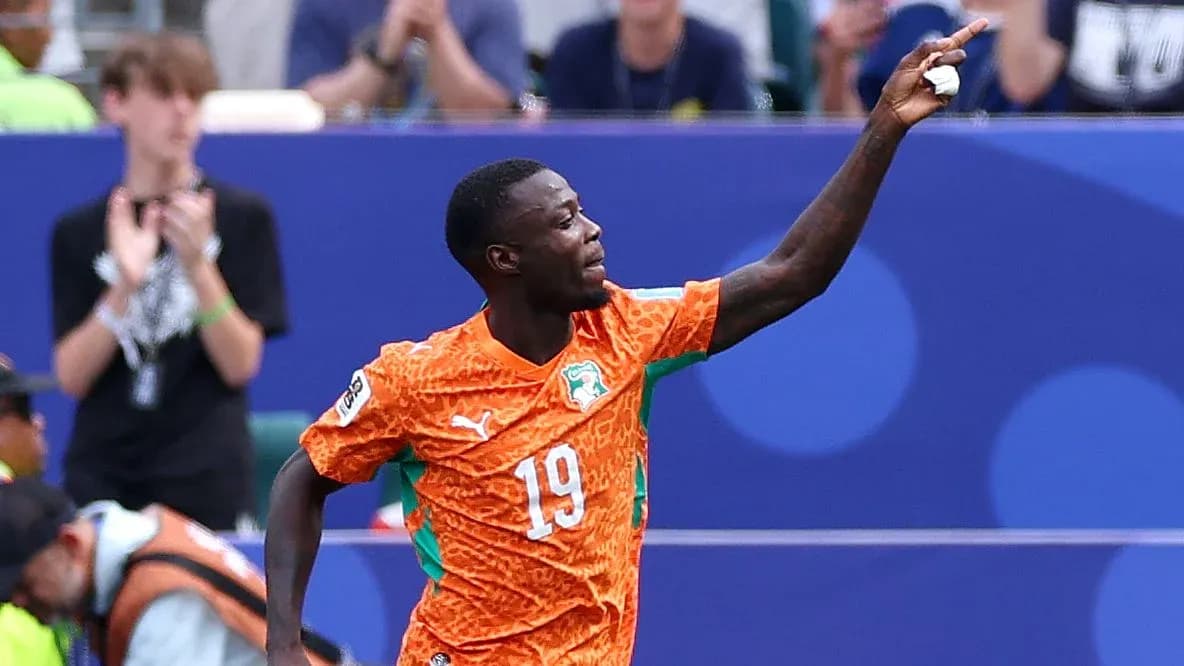
Nicolas Pépé's Redemption in the Africa Cup of Nations
Nicolas Pépé was supposed to be yesterday’s man. Seven months ago he watched the Africa Cup of Nations from home, cut from the Ivory Coast squad and filed under “finished at the top level” by many.
In Philadelphia, he ripped that script to shreds.
Pépé’s Redemption, Written in Two Strikes
It took him seven minutes to announce himself. A loose Curacao touch, a moment’s hesitation at the back, and Yan Diomande pounced. One sharp pass, one cool finish. Pépé slid the ball home and turned away, arms wide, as if to say: you remember me now.
The goal settled Ivory Coast and set the tone. Curacao, brave and energetic, tried to play. They were tidy in possession, ambitious on the break, and never looked overawed. But every time the Elephants surged forward, there was a sense that something decisive might happen at Pépé’s feet.
By the 65th minute, it did. This time there was no gift, no defensive calamity. Just a familiar, ruthless motion. Pépé drifted inside onto that left foot that once lit up Ligue 1, picked his spot, and whipped a shot into the top corner. Vintage. The kind of strike that reminded everyone why Emerse Faé had brought him back into the fold, and why Villarreal’s gamble in Spain has started to look so shrewd.
The winger’s renaissance has pushed the messy end to his Arsenal career firmly into the background. On this evidence, he is no longer a luxury. He is the talisman.
A Barrier Finally Broken
For all their legends, Ivory Coast have carried a strange World Cup curse. Didier Drogba, Yaya Touré, Kolo Touré – a “Golden Generation” in name and talent – but three tournaments (2006, 2010, 2014) that never went beyond the group stage. Big names, big expectations, early flights home.
This time, the story changes.
With this win, the Elephants finish second in Group E on six points and step, at last, into the knockout rounds. It is more than a statistic. It is a psychological shift for a nation that has so often fallen short when the stakes climbed.
Faé understood the moment. “My message to fans would be to enjoy this historic qualification, celebrate it,” he said afterwards. He allowed himself a smile, but not complacency. “Once we are done celebrating, please continue sending us positive vibes so we can go as far as we can in this tournament. I am very happy with this result. Not everything was perfect but not conceding is good for our morale. Now our group has to bask in this victory. It is easy to recuperate after a victory.”
The clean sheet mattered. Curacao mustered only two shots on target, and when the Blue Wave did carve out a chance, Yassin Fofana stood firm. The most glaring opening came just before half-time, when Juninho Bacuna found himself with a golden opportunity to level. He dragged it wide. Ivory Coast exhaled. The punishment arrived later, in the form of Pépé’s second.
A Team Growing Up on the Big Stage
The headlines will belong to Pépé, but Faé refused to let the story be about one man. He sees something forming in this group – a collective edge that previous Ivorian sides, for all their stars, never fully mastered.
“This group is growing,” he said. “They are all at their first World Cup but they are growing well – it is a team that sticks together. Even the players competing for similar positions are laughing together, always together. We have healthy competition which helps every player give their best.”
That unity shows. Ivory Coast played with a calm that belied their inexperience at this level. No panic when Curacao pressed high. No visible tension when the game tightened near the interval. They trusted their structure, trusted each other, and trusted that their superior quality in the final third would eventually tell.
It did.
Curacao Bow Out, But Not Quietly
For Curacao, elimination will sting, but their tournament will not be remembered for this defeat. It will be remembered for the journey.
The smallest nation by population ever to reach a World Cup finals did more than make up the numbers. They took a point off Ecuador. They competed here, right to the final whistle. They forced Ivory Coast to concentrate, to defend properly, to respect them.
“This team has outdone itself against world-class sides,” said manager Dick Advocaat. He did not hide the gulf in resources. “[Ivory Coast’s] wingers are worth 50m each … The most important thing when we set out was qualifying for the Gold Cup. And only once we’d done that, qualifying for the World Cup.”
Curacao hit those targets and then some. The coach was asked if they could do it again. His answer carried no false modesty. “When you see how we played the second and third game,” he said, “that’s very promising.”
They leave with their heads high, having proved they belong on this stage.
Elephants as Dark Horses
Now the bracket tightens. Ivory Coast step into the round of 32 and straight into a storm. Waiting for them: either Kylian Mbappé’s France or Erling Haaland’s Norway. Two very different threats, one shared reality – the margin for error shrinks to nothing.
Yet something about this Ivorian side suggests they will not be mere victims of the draw. Pépé is reborn. The defence, once a soft spot, has shown resilience and clarity. The dressing room feels aligned, the egos in check, the ambition sharpened rather than weighed down by history.
They have finally broken through the wall that stopped their predecessors. The question now is simple, and far more daunting: having escaped the group-stage trap that haunted a generation, how far can these Elephants charge into the knockout jungle?