José Mourinho: The Night in Budapest Still Haunts
José Mourinho has coached in some of football’s most fevered arenas, lifted the game’s biggest trophies and walked away from enough flashpoints to fill a career’s worth of documentaries. Yet one night still burns.
Roma vs Sevilla. Budapest. The Europa League final.
And, in his mind, one name.
“Roma - Sevilla, Europa League final. Without Anthony Taylor!” he told Adebayo Akinfenwa on the Beast Mode On Podcast, when asked which match he would replay if he could. No hesitation. No softening of the edges.
The one that got away
Mourinho’s Roma had ridden a remarkable European wave. He had taken the Giallorossi to back-to-back continental finals, delivering the 2022 Europa Conference League title against Feyenoord and ending an 11-year wait for major silverware in the capital. That night in Tirana made history: he became the first manager to complete UEFA’s treble of Champions League, UEFA Cup/Europa League and Conference League crowns.
Roma, a club defined by emotion, finally had a modern European trophy to cling to. The city shook.
The following season, they came within a penalty shootout of another. Sevilla, serial Europa League specialists, stood in the way in Budapest. Roma pushed them to the limit, but the Spanish side prevailed on spot-kicks. Mourinho, beaten in a European final for the first time, turned his fury on the Premier League-based officiating team led by Anthony Taylor. The fallout was as fiery as the match itself.
Time has moved on. Careers have shifted. Yet as Mourinho prepares for a second act at Real Madrid, that night still lives right under the skin.
Back to the Bernabéu
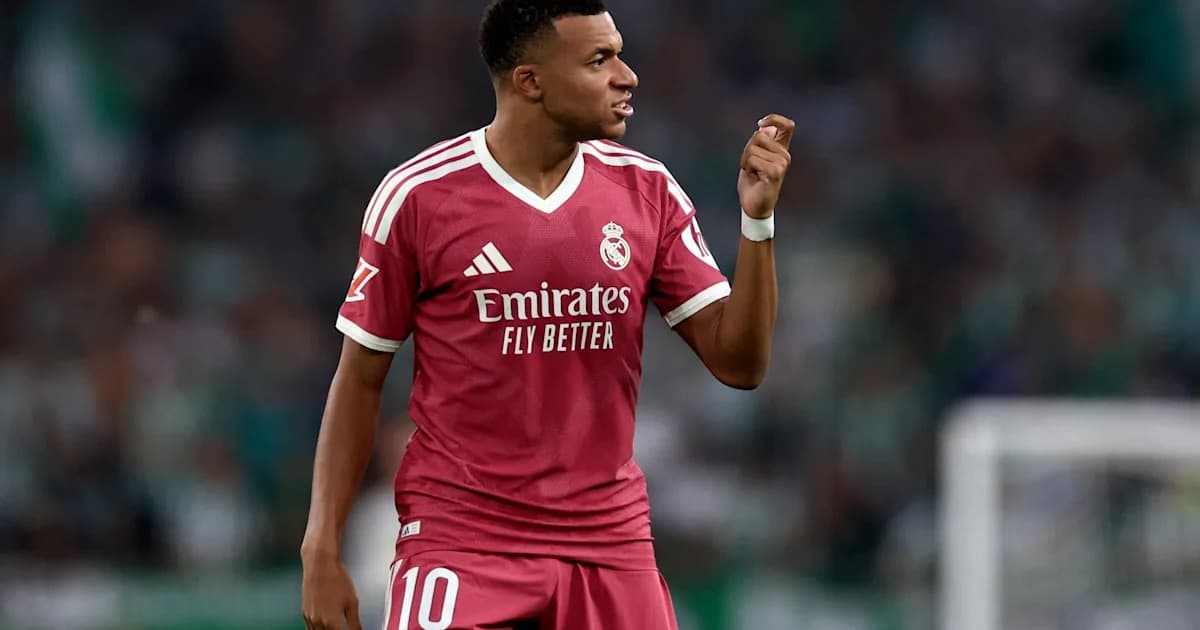
The 61-year-old returns to the Santiago Bernabéu with a three-year contract and a dressing room stacked with superstars. Jude Bellingham, Kylian Mbappé, Vinícius Júnior – a new generation for a coach who has already conquered Spain once.
During his first spell between 2010 and 2013, he ripped La Liga away from Barcelona’s grasp, winning the league title and the Copa del Rey and reshaping Madrid into a snarling, relentless machine. Those years were turbulent, combustible, unforgettable.
Now he calls Madrid’s dressing room the best he has known. It fits. The personalities, the pressure, the expectation of trophies every May – this is the stage Mourinho has always craved.
The mission is clear: put Real Madrid back on a trophy rampage, not just competing, but dominating. He has done it before. The question is whether he can do it again in an era defined by different stars and different rivals.
Roma, the city that “went mad”
For all the Champions League nights and league titles across Portugal, England, Italy and Spain, Mourinho’s voice changes when he talks about Roma. Asked to choose the achievement that makes him most proud across a 26-year managerial career, he did not reach for Porto’s miracle in 2004 or Inter’s treble in 2010.
“I did a few! When we won the Conference League in Roma, that city went mad,” he said.
He painted a picture that statistics can’t touch. A club that had been starved of joy. A fanbase that lives its football with a rawness few cities can match.
“I believe that we did to that city what Champions League winners cannot do in other cities. Roma is a city where people are really, really, really in love with that club. A giant club with incredible passion. Absolutely incredible.”
The Conference League, often dismissed when it launched, became something else entirely in his hands. Roma’s run turned into a movement. The final into a catharsis.
“Of course, when we won the Conference League it was the first season of the Conference League, I don't think Europe was giving [recognition] to the Conference League what it is giving now. When we arrived in Rome and we went for the parade around the Colosseum, Circus Maximus, you realise what you gave to those people.”
Not just a trophy, but a release. A shared delirium winding past ancient stones and into club folklore.
Anfield, and the arenas that shape a manager
Mourinho has never shied away from hostile territory. Asked for the toughest away ground he has faced, he pointed to Anfield. Liverpool’s home, with its noise, its history, its edge, still sits at the top of his personal list.
That answer says plenty. This is a coach forged in the fiercest environments, who measures himself by the stadiums that roar against him as loudly as those that sing his name.
Now he steps back into another of those cauldrons. Madrid expects titles, demands drama and rarely forgives. Mourinho arrives armed with experience, scar tissue, and the memory of a night in Budapest he would rewrite in a heartbeat.
He cannot change that final. He cannot remove Anthony Taylor from the story.
What he can do is write the next chapter from the Bernabéu touchline, with a squad built for glory and a reputation still sharp enough to bend a season to his will.