Napoli vs Lazio: Tactical Analysis of Serie A Defeat
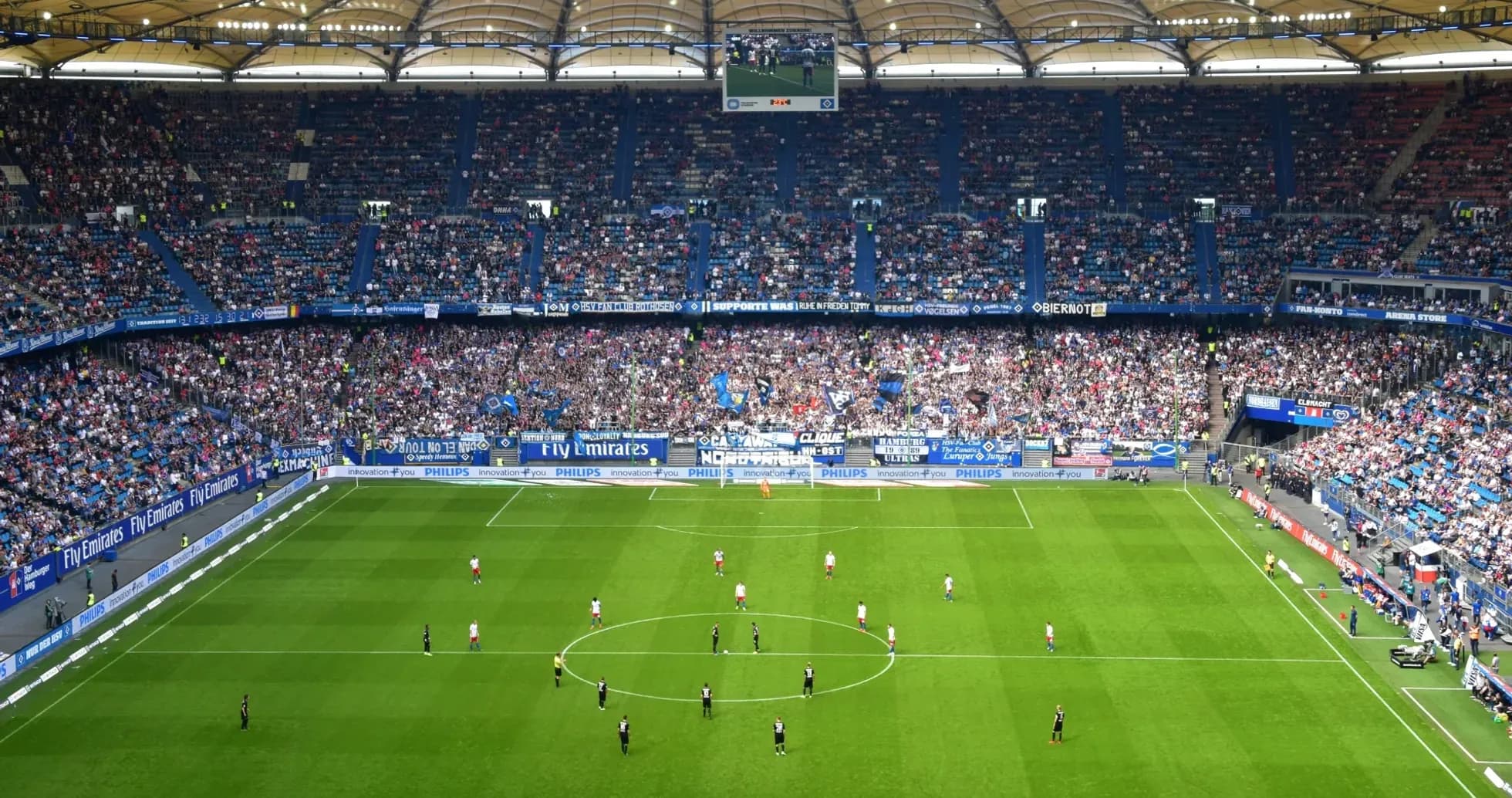
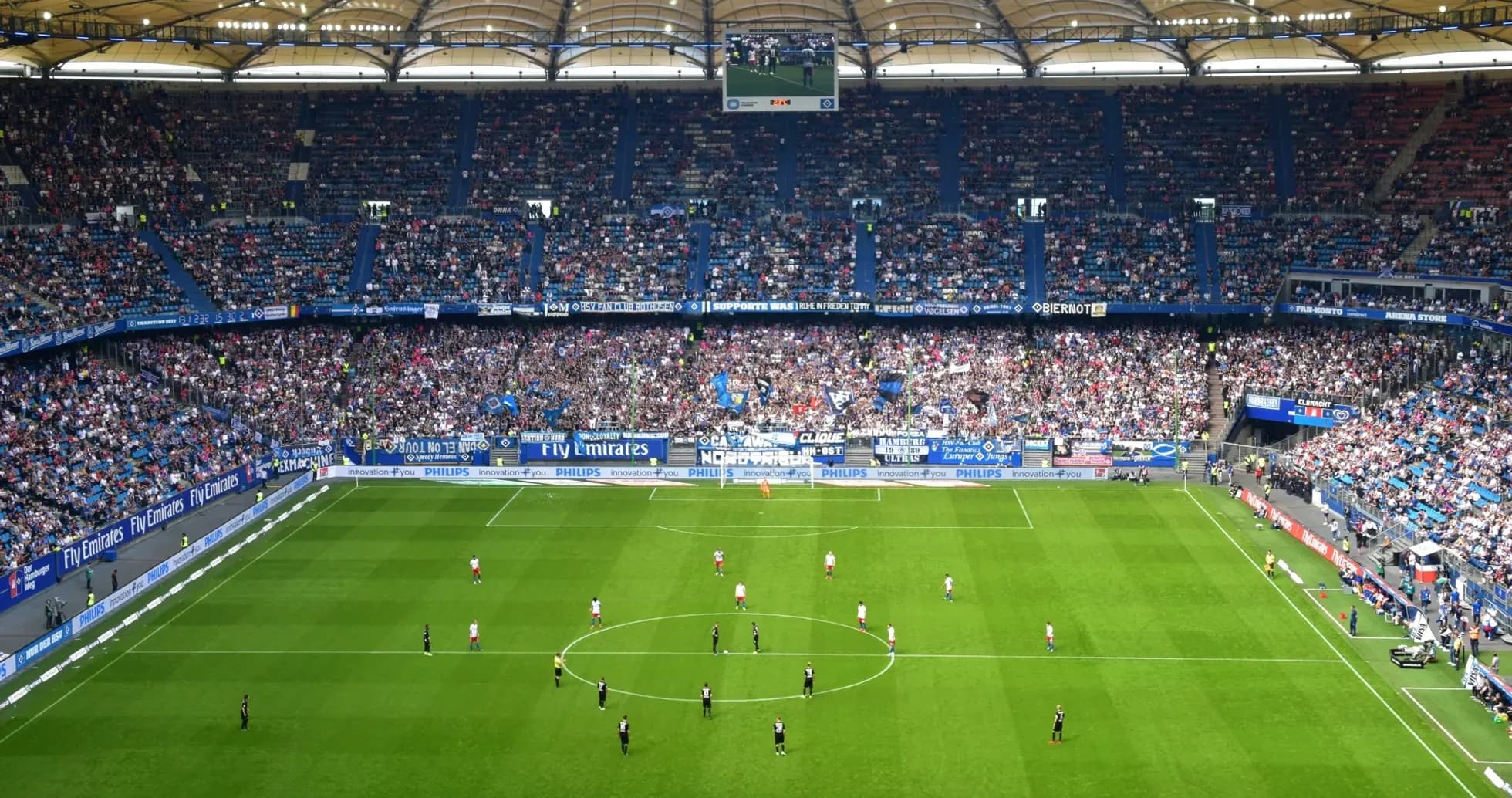
Napoli’s 2–0 home defeat to Lazio at Stadio Diego Armando Maradona was a study in sterile dominance versus ruthless verticality. In this Serie A Round 33 fixture, Antonio Conte’s 3-4-2-1 delivered territory and control but never once forced a save from Edoardo Motta, while Maurizio Sarri’s 4-3-3 accepted just 33% possession and yet carved out 2.27 xG, scoring early through Matteo Cancellieri and killing the game via Toma Bašić. Lazio’s compact mid-block, aggressive counter-press and direct use of their front three repeatedly exposed Napoli’s back three in transition, turning Napoli’s 645 passes and 12 corners into empty volume.
Starting Lineups
Napoli began in a clear Conte 3-4-2-1: Vanja Milinković-Savić behind a back three of Sam Beukema (right), Alessandro Buongiorno (central) and Mathías Olivera (left). Leonardo Spinazzola and Matteo Politano acted as high, aggressive wing-backs, with Frank Anguissa and Stanislav Lobotka forming the double pivot. Ahead of them, Scott McTominay and Kevin De Bruyne operated as dual attacking midfielders behind Rasmus Højlund.
Lazio’s 4-3-3 was structurally orthodox but functionally very specific. Manuel Lazzari and Nuno Tavares provided width from full-back, with Mario Gila Fuentes and Alessio Romagnoli as the centre-backs. Danilo Cataldi anchored midfield with Kenneth Taylor and Bašić either side, while the front three of Mattia Zaccagni (left), Tijjani Noslin (centre) and Cancellieri (right) were instructed to trigger presses on Napoli’s first line and sprint into the channels once possession was won.
First Half
The opening goal on 6 minutes encapsulated Lazio’s plan. With Napoli building short, Lazio’s front three angled their pressure to force play wide, then sprang into transition as soon as a central pass was intercepted. A quick vertical release into the right half-space allowed Cancellieri to attack the backpedalling Napoli line; Taylor’s support run from midfield created a simple passing angle and his assist found Cancellieri in stride. The finish, a “Normal Goal” from inside the box, punished Napoli’s high rest defence and the lack of immediate counter-press from the double pivot.
Napoli’s response was territorial rather than incisive. With 67% possession and 645 total passes at 93% accuracy, they circulated the ball well but rarely broke Lazio’s compact 4-5-1 defensive shell. Lazio’s wingers dropped to form a flat midfield five, screening central lanes into De Bruyne and McTominay. As a result, Napoli were pushed into wide combinations and early crosses rather than penetrative passes between the lines. Their shot profile told the story: 12 total attempts, 8 off target, 4 blocked, and crucially 0 shots on goal for just 0.55 xG.
Lobotka’s yellow card on 29 minutes, for a foul, was symptomatic of Napoli’s difficulties in rest defence. With wing-backs high and both attacking midfielders committed forward, transitions left the Slovakian pivot repeatedly exposed, forced to foul to slow counters. Lazio nearly doubled their lead on 31 minutes when Zaccagni won and then missed a penalty, an event that underlined both Lazio’s threat in transition and Napoli’s fragility when defending their own box.
Second Half
Conte’s half-time reaction was decisive and aggressive. At 46', Eljif Elmas (IN) came on for Kevin De Bruyne (OUT), and Alisson Santos (IN) replaced Anguissa (OUT). The intention was clear: more direct dribbling and vertical carries from Elmas, plus extra attacking thrust and depth running from Alisson Santos, effectively turning the structure into something closer to a 3-2-4-1. McTominay pushed higher to almost join Højlund, while Elmas and Alisson Santos sought to attack the half-spaces.
Yet the second half again swung Lazio’s way in transition. On 57', Bašić arrived from midfield to score the second, assisted by Cancellieri. The pattern mirrored the first goal: Lazio recovered the ball, broke Napoli’s initial press with a vertical pass to the right, and then exploited the unprotected zone in front of Napoli’s back three. Cancellieri, now brimming with confidence, found Bašić’s late run; Napoli’s midfield line, stretched by their own attacking intentions, failed to track the Croatian’s movement, leaving him free to finish from inside the box.
Kenneth Taylor’s yellow card at 60' for a foul highlighted Lazio’s willingness to use tactical fouls to disrupt any nascent Napoli rhythm. Sarri then executed a triple substitution at 61' to manage energy and tighten the structure: Oliver Provstgaard (IN) came on for Mario Gila Fuentes (OUT), Boulaye Dia (IN) for Zaccagni (OUT), and Patric (IN) for Cataldi (OUT). Provstgaard’s introduction added aerial presence and freshness in central defence, Patric brought experience and flexibility (allowing tweaks towards a more conservative back line), while Dia offered a direct outlet to attack the spaces behind an increasingly desperate Napoli.
Conte doubled down on attacking changes at 63'. Giovane (IN) replaced Lobotka (OUT), removing Napoli’s main tempo-setter and deepest organiser in favour of another forward option, and Miguel Gutiérrez (IN) came on for Spinazzola (OUT) at left wing-back. These moves effectively shifted Napoli towards a 3-1-5-1 or even a 3-1-4-2 in possession, with Giovane and Alisson Santos joining Elmas and McTominay between the lines. The trade-off was clear: more numbers in advanced zones, but even less stability against counters.
Sarri responded intelligently on 71', introducing Fisayo Dele-Bashiru (IN) for Bašić (OUT). With a two-goal cushion, Lazio no longer needed Bašić’s box arrivals; instead, they prioritised ball-carrying resistance and fresh legs to break Napoli’s press and hold territory when needed. Conte’s final attacking thrust came at 72', when Pasquale Mazzocchi (IN) replaced Politano (OUT), seeking even more overlapping energy and crossing from the right.
From that point, Lazio managed the game with classic Sarri pragmatism. They accepted long phases without the ball, but their 4-5-1 block remained compact, and their pressing triggers—particularly on backwards passes and heavy touches from Napoli’s centre-backs—continued to generate dangerous counters. On 82', Elseid Hysaj (IN) came on for Lazzari (OUT), further reinforcing the defensive stability on the right flank and adding a more conservative full-back profile.
Boulaye Dia’s yellow card at 90+1' for a foul underlined Lazio’s readiness to break Napoli’s rhythm at source rather than allow clean build-up into the final third. By then, Napoli were reduced to hopeful crosses and long-range efforts, none of which tested Motta, who finished the match with 0 saves despite Napoli’s 12 shots and 12 corners.
Statistical Overview
In statistical terms, the contrast could not be sharper. Napoli’s 67% possession, 645 passes at 93% accuracy, and 12 corners suggested territorial dominance, yet their 0 shots on goal and 0.55 xG revealed an inability to convert control into chances. Lazio, with just 333 passes at 82% accuracy and no corners, produced 14 shots, 7 on target and 2.27 xG, reflecting clear, high-quality opportunities. Vanja Milinković-Savić’s 5 saves kept the scoreline respectable, but he was repeatedly exposed by the structural risks Napoli took after falling behind.
Disciplinary data also mapped onto tactical choices. Napoli collected a single yellow card (Lobotka 29', foul), directly linked to transition defending. Lazio’s three yellows—Cataldi (33', foul), Taylor (60', foul) and Dia (90+1', foul)—were all tactical in nature, used to disrupt Napoli’s attempts to accelerate play. Overall, Lazio’s defensive index in this match was high: they allowed possession but not penetration, and their pressing traps and transitional efficiency fully justified a 2–0 away win despite the lopsided possession figures.