Mykhailo Mudryk's Four-Year Ban: A Career on the Line
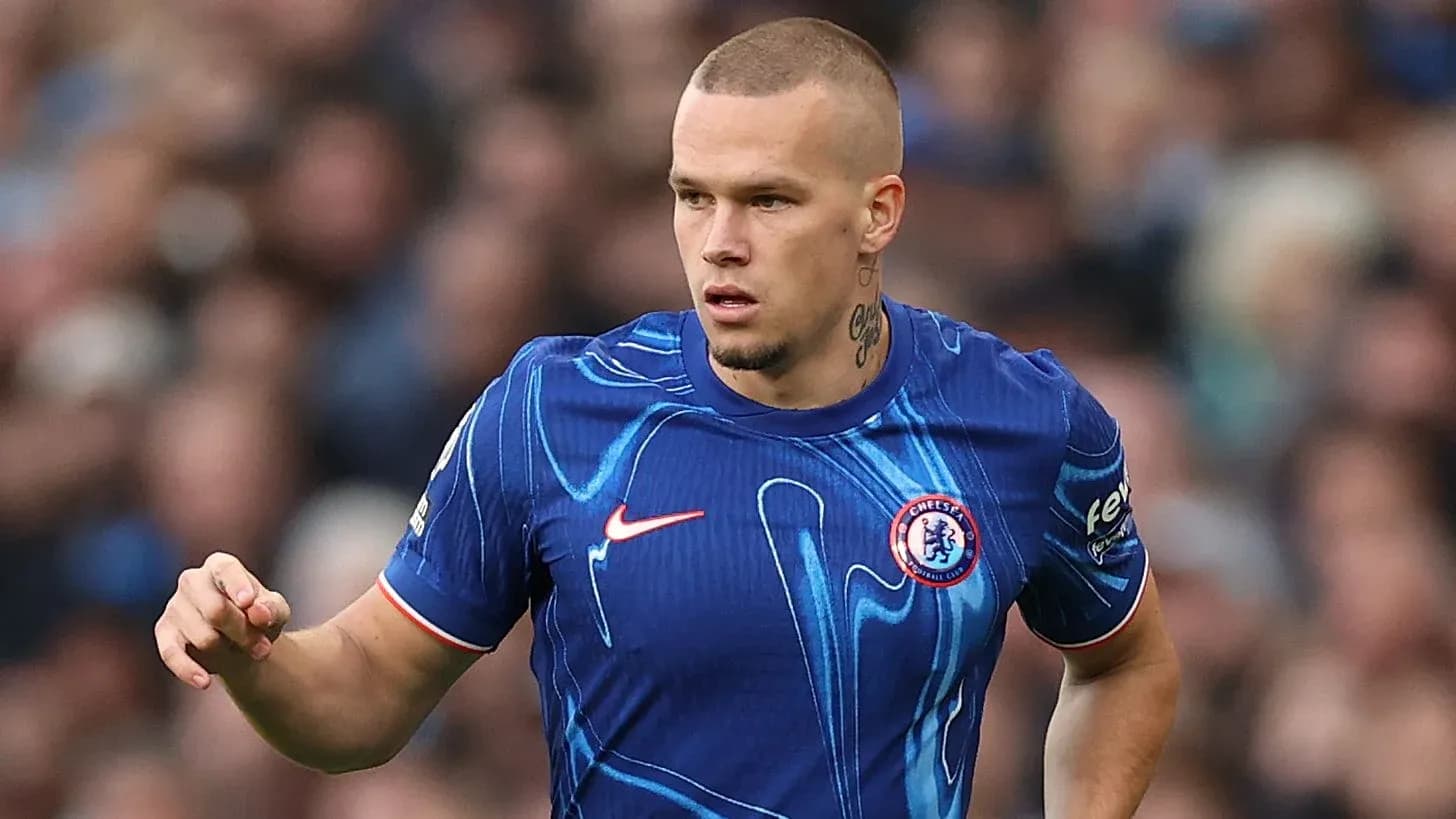
Mykhailo Mudryk has been hit with the harshest punishment English football can deliver: a four-year ban for a failed drugs test, a sanction that threatens to carve a huge hole out of what should have been the prime of his career.
The Football Association has imposed the maximum suspension available after a long investigation into an adverse finding from a routine urine test. The 25-year-old was provisionally suspended in December 2024, then formally charged in June 2025. Under current regulations, the ban is expected to be backdated, keeping him out of professional football until December 2028.
Four years. For a winger whose game is built on explosive acceleration and sharp changes of direction, it is an eternity.
From shock to the courtroom
Details from the FA have been scarce throughout the process. No public breakdown of the evidence, no forensic explanation of the timeline. Just the outcome – and its weight.
Mudryk has never accepted the label of a deliberate cheat. In his only public statement since the case began, he said he was in “complete shock” and insisted he had “never knowingly used any banned substances or broken any rules.” That line has become the foundation of his defence and the reason this story is now heading to Switzerland.
Refusing to let the decision stand unchallenged, Mudryk has taken his fight to the Court of Arbitration for Sport. CAS confirmed to BBC Sport that it received his appeal on 25 February 2026, adding that written submissions are being exchanged and a hearing date has yet to be set. The process is under way, but the finish line is nowhere in sight.
The meldonium question
At the heart of the controversy lies meldonium, a cardiovascular medication known to improve blood flow, respiratory capacity and stamina. It sits on the banned list. Its presence in a test is enough to trigger the kind of case now engulfing one of Chelsea’s most expensive signings.
Reports suggest Mudryk’s contact with the substance dates back to international duty with Ukraine in October 2024. That period now looms over his career like a shadow. Those close to the player remain hopeful that CAS could substantially cut the sanction, opening the door for a return as early as next season instead of 2028. That is the difference between a stalled career and one that never truly recovers.
Training in exile
Since a Conference League appearance against Heidenheim in November 2024, Mudryk has not kicked a competitive ball for Chelsea. The stadium lights, the Champions League anthem, the roar of Premier League crowds – all replaced by the more modest surroundings of non-league football.
To stay fit, he has been working with Uxbridge FC, training away from the elite stage that once seemed his natural habitat. He has hired a private coach, even brought in goalkeepers to keep his attacking drills as close to match intensity as possible. It is a strange double life: a player signed for an initial €70 million (£61m), operating day to day in the shadows of the English game.
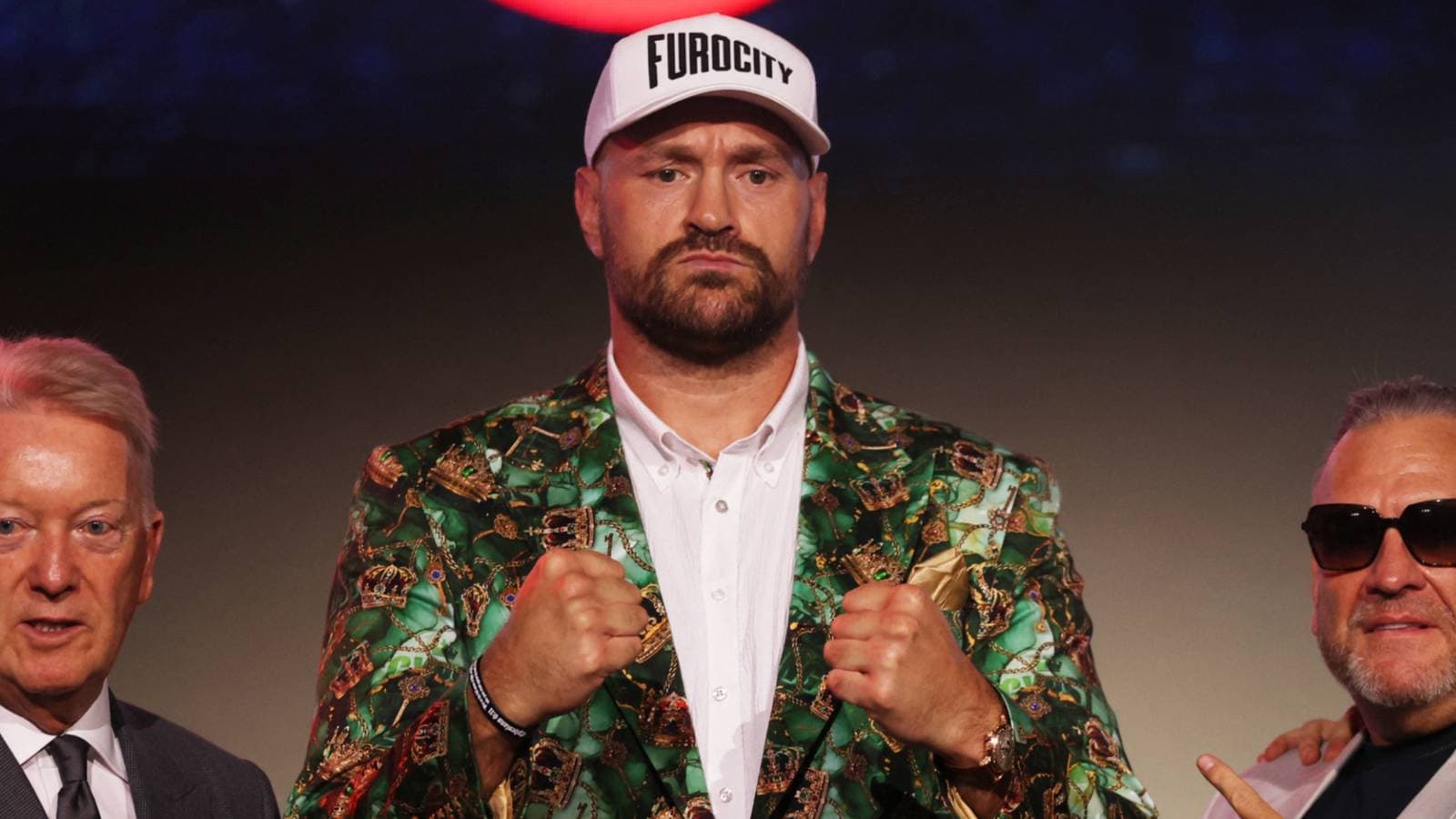
Off the pitch, he has assembled a heavyweight legal team. Mudryk has turned to Morgan Sports Law, the firm that helped Paul Pogba secure a reduction to his own doping ban and has previously represented Tyson Fury and Chris Froome in high-profile cases. The message is clear: this is a career he is prepared to fight for with everything available to him.
Chelsea and the FA keep their distance
Chelsea, who made a huge financial and sporting bet when they brought him from Shakhtar Donetsk in January 2023, have stepped back from the public arena. The club has chosen not to issue any formal comment while the legal process unfolds, preferring to wait for CAS to deliver a final ruling before deciding how – or whether – Mudryk fits into their long-term plans at Stamford Bridge.
The FA has taken the same approach, declining to discuss the case while it remains active. No commentary, no interpretation, just the bare confirmation of a four-year ban.
So the next move belongs to CAS.
In Switzerland, written arguments are being traded and a hearing is on the horizon. On one side sits a governing body standing by the strictest penalty available. On the other, a player trying to rescue the years he cannot afford to lose.
For Mykhailo Mudryk, the question is brutally simple: does this appeal restore his path back to the top level, or has the clock already run down on the career Chelsea once believed they were buying?