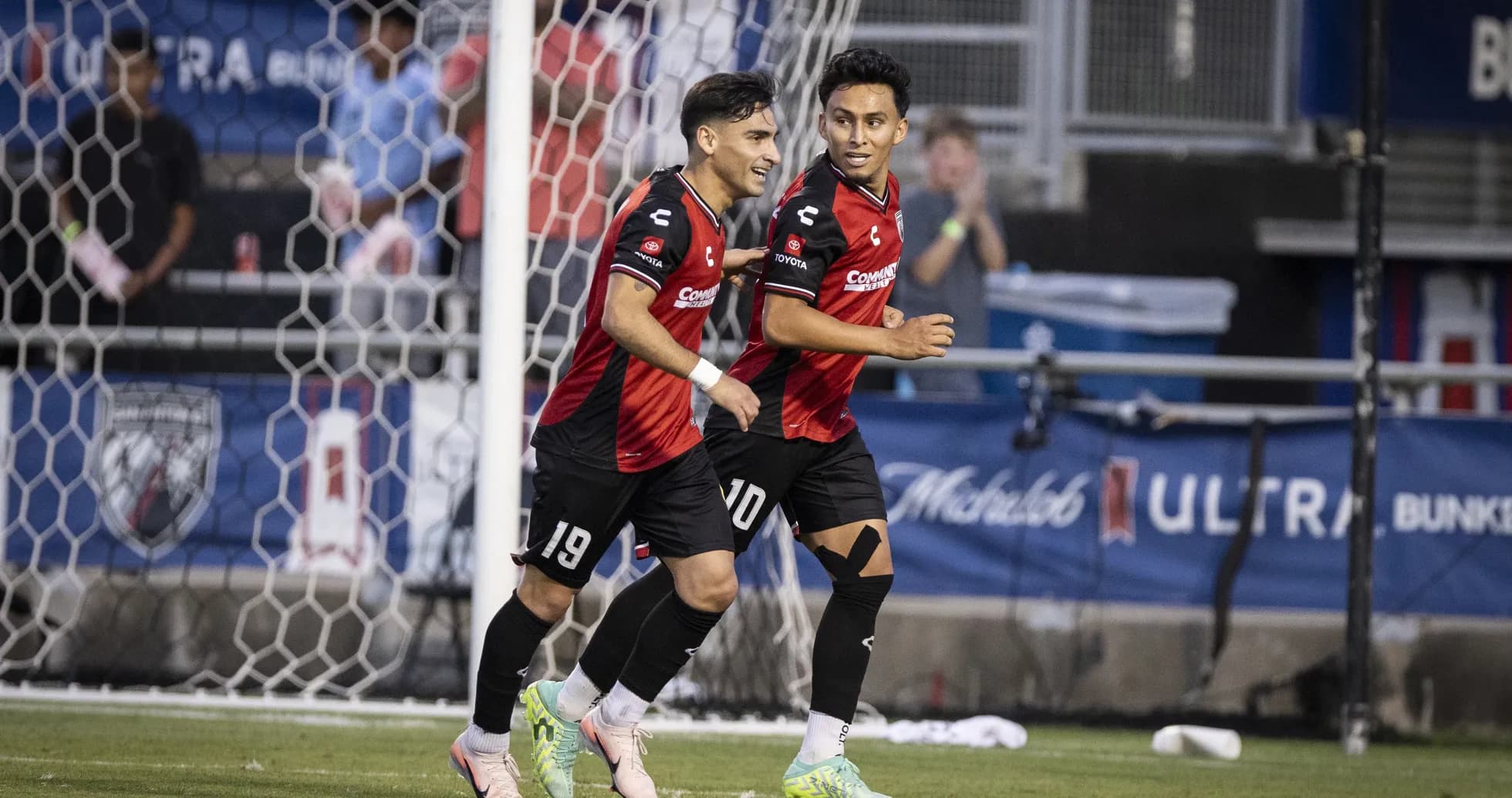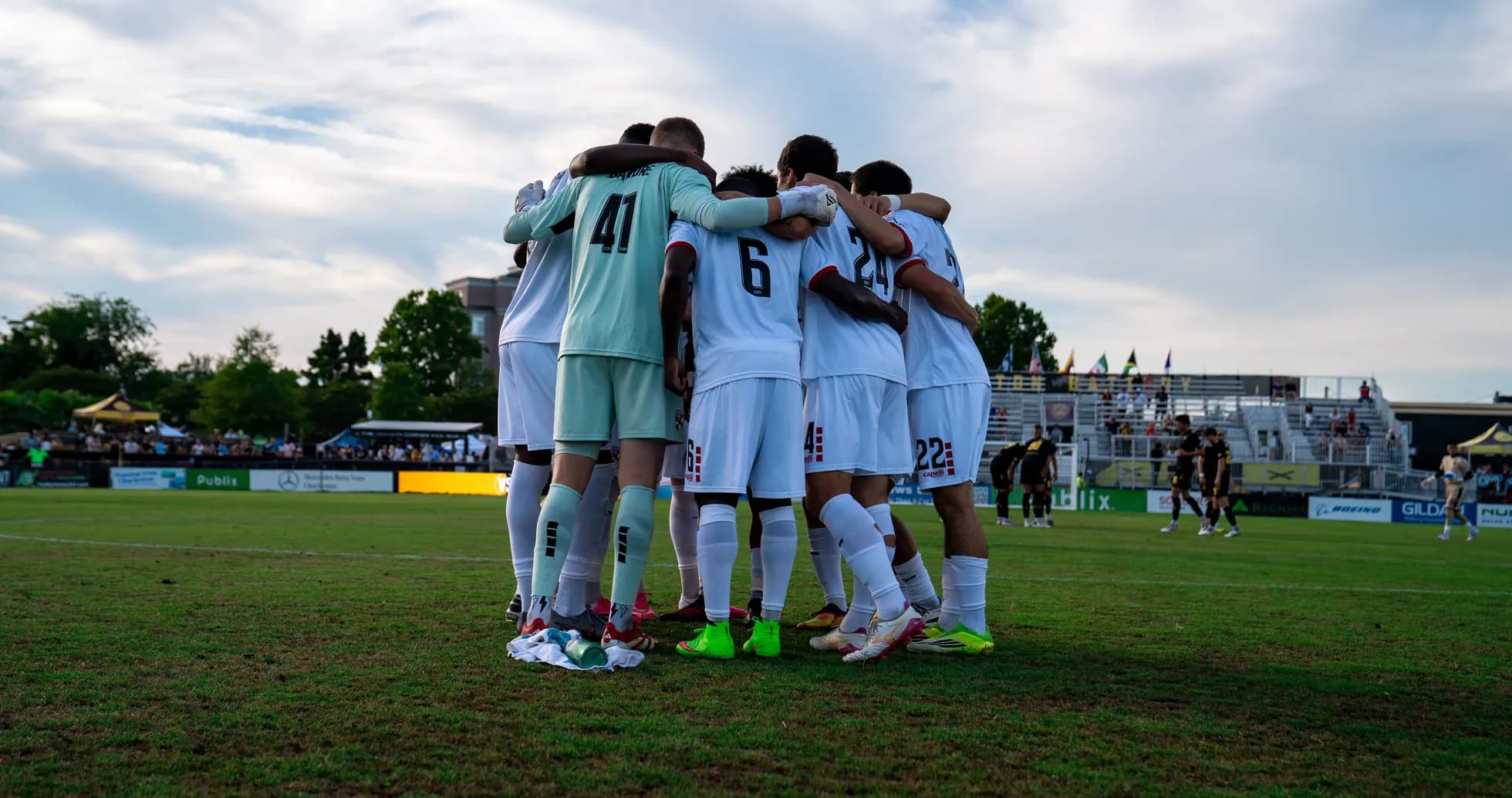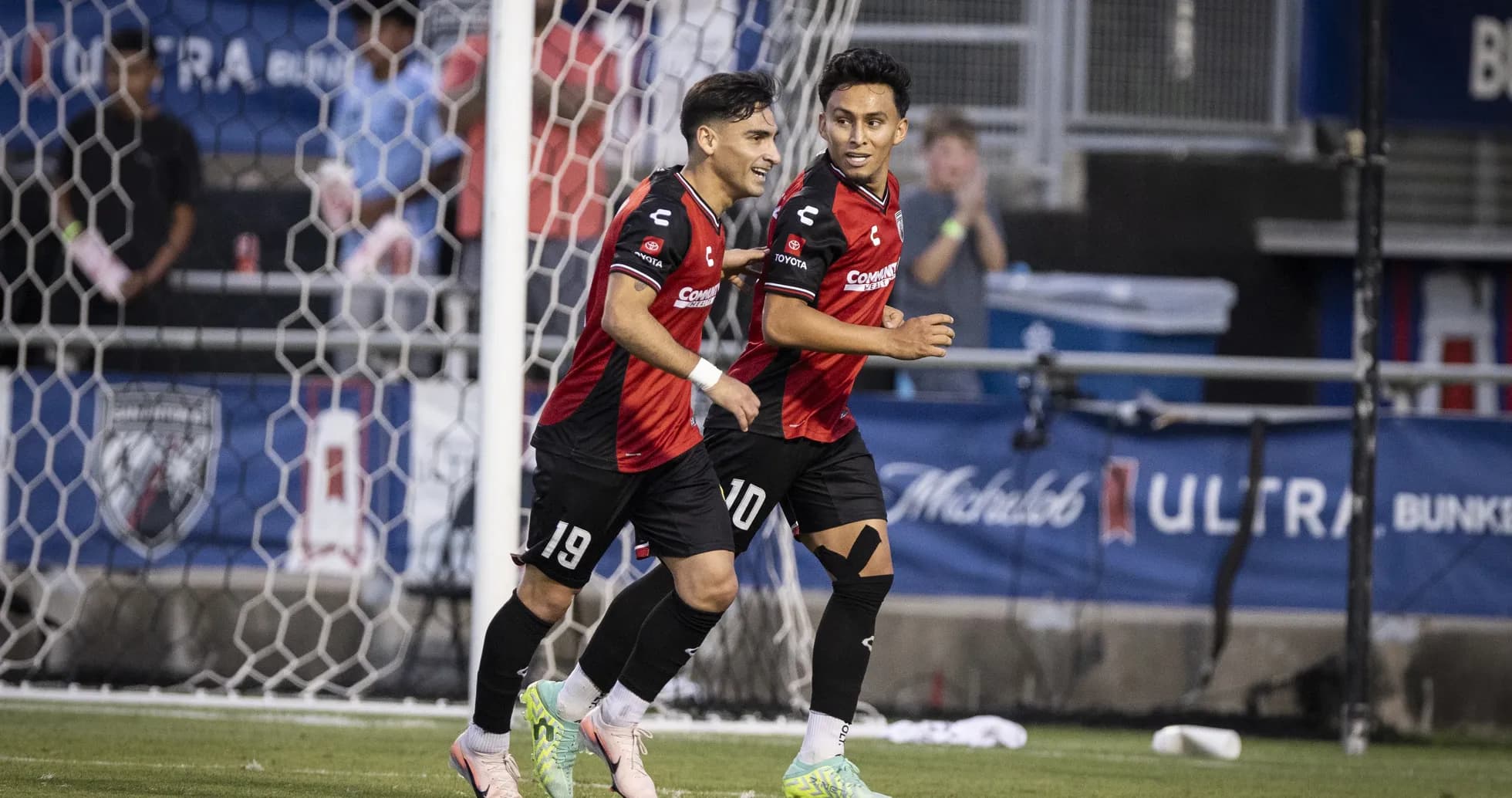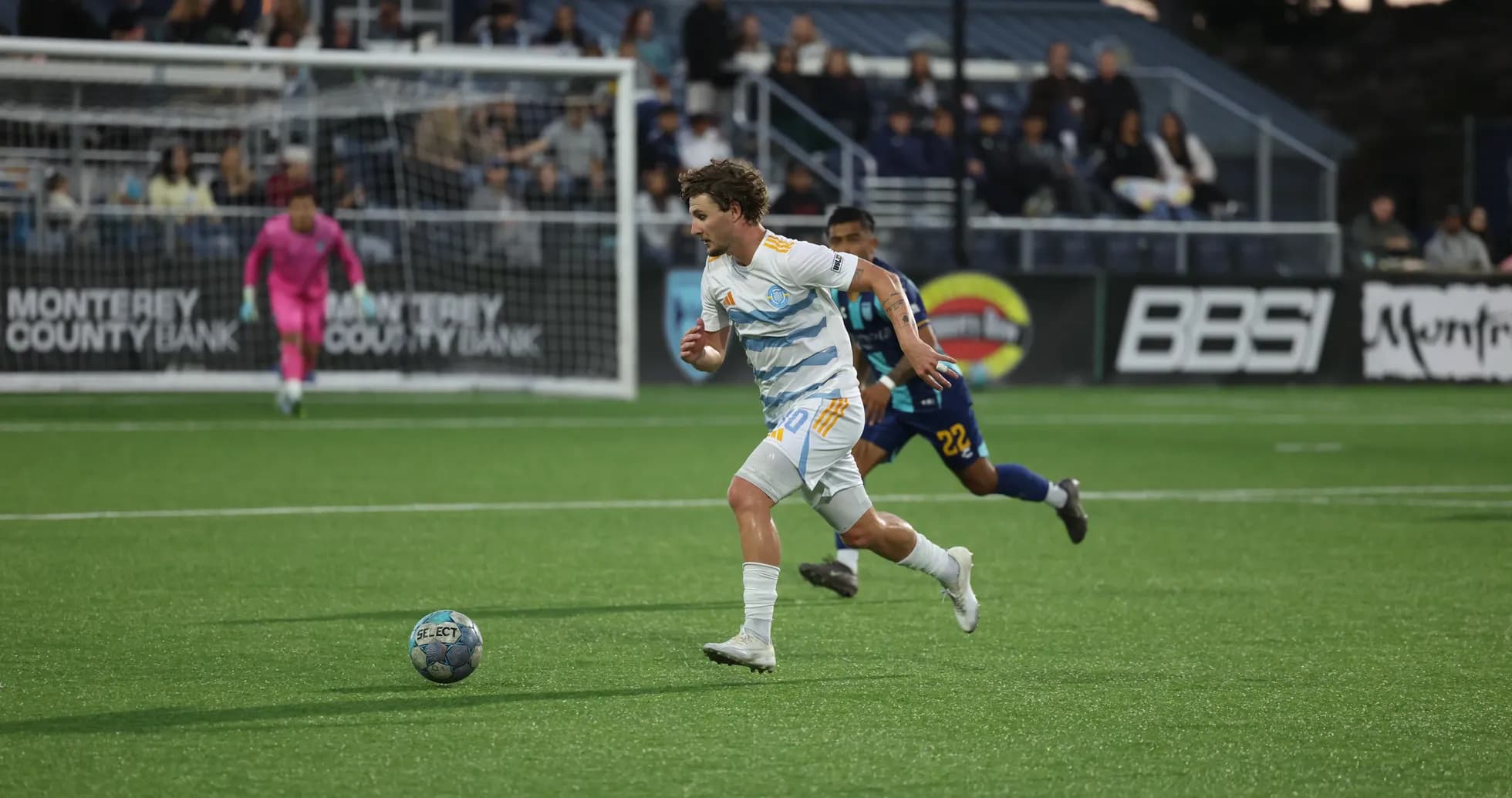
Monterey Bay Triumphs 2–1 Over Sporting JAX in USL Championship
Under the lights at Cardinale Stadium, Monterey Bay’s 2–1 win over Sporting JAX felt less like a routine group-stage fixture and more like a small but significant pivot point in the USL Championship season. Heading into this game, both sides had played 12 matches: Monterey Bay sat 12th in USL 1 on 11 points with a goal difference of -7, while Sporting JAX trailed in 13th with 3 points and a goal difference of -15. Two teams with matching overall scoring averages of 1.1 goals per game collided, but with very different defensive profiles and mentalities.
Monterey Bay’s seasonal DNA at home has been clear: competitive, streaky, and occasionally explosive. At home they had scored 9 goals and conceded 8, averaging 1.3 goals for and 1.1 against. On their travels, Sporting JAX brought a far more fragile identity, with 5 away goals and 14 conceded across 7 games, an away average of just 0.7 scored and 2.0 conceded. The final 2–1 scoreline felt almost pre-written by those numbers: Monterey Bay leaning into their Cardinale comfort, Sporting JAX once again competitive in moments but ultimately undone by defensive looseness.
Alex Covelo’s starting XI for Monterey Bay told a story of balance and experience. J. Jackson and J. Garcia anchored the back line alongside N. Gordon and Z. Farnsworth, a unit tasked with stabilizing a team that, overall, had allowed 20 goals in 12 matches. In front of them, the double presence of N. Ross and S. Lletget suggested a midfield built to both recycle possession and dictate tempo, while R. Nakamura and O. Glasgow offered width and vertical running. Up top, the pairing of C. Nadje and R. Bidois hinted at a front line designed to stretch Sporting JAX’s vulnerable defensive block.
For Sporting JAX, the XI had a distinctly pragmatic feel. C. Olivares in goal stood behind a back line featuring H. Neville, W. Ackwei, A. Gomez and E. Rito, a group that has been overworked all season by a side conceding, overall, 2.3 goals per game. Ahead of them, the midfield axis of R. Somersall and J. Rossiter was clearly intended as a shield, with T. Rose and R. Pedder offering support between the lines and E. Jaaskelainen and K. Sadlier tasked with finding the moments of quality that have too often eluded a winless campaign.
Tactically, the absences list offered no clues—there was no data on missing or questionable players—so this was less about who was not there and more about how the available squads were deployed and disciplined. On that front, the season-long card profiles of both teams framed the battle’s emotional tone. Monterey Bay’s yellow cards peak between 61–75 minutes (28.57%) and remain high from 76–90 (25.71%), marking them as a side that grows combative as matches tighten late on. Their single red card this season arrived in the 61–75 window, underlining how their intensity can spill over.
Sporting JAX, by contrast, show their discipline cracks even earlier. Their yellow-card distribution spikes in the 16–30, 46–60 and 61–75 ranges (each at 19.35%), with the highest share coming between 76–90 minutes at 29.03%. Crucially, both of their red cards this season have been split between 16–30 and 76–90, each accounting for 50.00% of their total reds. This paints a picture of a team that can lose control in both early frustration and late desperation. In a tight 2–1 game, those tendencies shape not just the result but the rhythm: fouls to break momentum, arguments with the referee, and a constant tightrope between aggression and self-destruction.
Key Matchups
Within that emotional landscape, several key matchups defined the night.
The “Hunter vs Shield” duel came in the form of Monterey Bay’s attacking unit against Sporting JAX’s brittle defence. Monterey Bay, overall, average 1.1 goals for and 1.7 against, but at home they are more assertive, with those 9 goals in 7 games and a biggest home win of 4–1. Sporting JAX’s away defence, with 14 conceded in 7, is the soft underbelly. The presence of creative profiles like S. Lletget and the direct running of C. Nadje and R. Bidois exploited that weakness, with Monterey Bay’s second-half management of the lead reflecting a side that has learned from earlier home defeats, including a 0–3 reverse that still lingers in their season record.
In the “Engine Room”, the battle between Monterey Bay’s midfield trio—Ross, Lletget, Nakamura—and Sporting JAX’s Somersall and Rossiter was about control versus containment. Monterey Bay’s season form line, “LLDLDLLLLWWW”, tells of a team that has recently found a winning groove after a long slump. That shift often starts in midfield: cleaner first passes out of the back, more structured pressing, and a willingness to keep the ball rather than chase chaos. Sporting JAX’s “LDLLLLLLLDDL” form, with no wins and just 3 draws from 12, reflects a group still searching for an identity beyond damage limitation.
From a statistical prognosis standpoint, the result aligns closely with the underlying numbers. Monterey Bay, at home, tend to edge low-to-mid scoring contests, while Sporting JAX away are routinely outscored by margins that hover around two goals conceded. Monterey Bay’s clean-sheet profile—2 in total, both at home—suggests they are not a lockdown defence, and Sporting JAX’s 13 goals in total show they can threaten in bursts, which fits a 2–1 narrative more than a rout.
Penalties did not shape this specific match, but both teams’ season records from the spot are instructive for future fixtures. Monterey Bay have taken 1 penalty in total and scored it, with no misses. Sporting JAX have had 3 and converted all 3, also with no misses. Should either side draw fouls in the area in upcoming games, the data points to reliable execution rather than lottery.
Following this result, Monterey Bay consolidate their mid-table foothold and, more importantly, reinforce Cardinale Stadium as a venue where their attacking instincts are rewarded. Sporting JAX, meanwhile, leave with another narrow defeat that mirrors their season: flashes of competitiveness, a goal scored, but a defensive structure and disciplinary profile that keep them anchored near the bottom. For both squads, the story now shifts from this 90-minute chapter to the larger arc of whether they can bend these numbers in their favour before the group stage narrative hardens into final judgment.