Mircea Lucescu: A Legend of Romanian Football Passes Away at 80
Mircea Lucescu, one of Romanian football’s defining figures and a relentless collector of trophies both on the pitch and in the dugout, has died at the age of 80.
Bucharest University Emergency Hospital confirmed his death on Tuesday. Lucescu had been admitted after reportedly suffering a heart attack on Friday morning, just days after stepping away from his role with the national team.
“Mr. Mircea Lucescu was one of the most successful Romanian football coaches and players, the first to qualify the Romanian national team for a European Championship, in 1984,” the hospital said in a statement, adding that “entire generations of Romanians grew up with his image in their hearts, as a national symbol.”
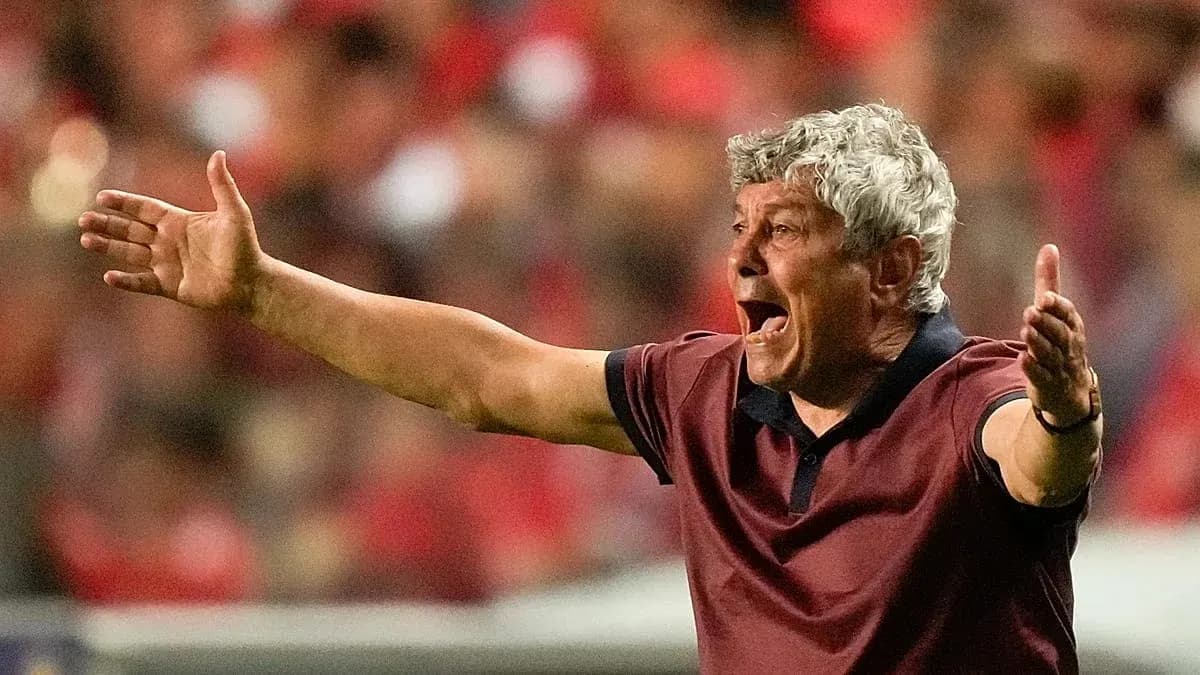
For Romanian football, that is no exaggeration. Lucescu’s career spanned eras, regimes and revolutions in the sport. He captained his country at the 1970 World Cup, a leader on the field long before he became the commanding presence on the touchline that would define his legacy.
From there, he built a coaching journey that rarely paused and almost never settled. He led Romania to the European Championship and then set off across the continent, managing clubs in several countries and stacking up league titles and cups as he went. His teams carried his imprint: organised, aggressive, ambitious.
The story came full circle late in life. After a 38-year absence from the national team job, Lucescu returned to the Romania bench, lured back by the same challenge that had marked his early coaching career – taking his country to the biggest stage.
It ended in heartbreak. Romania fell to Turkey in a World Cup playoff, missing out on qualification just three days before his hospitalisation. He had stepped down last Thursday after falling ill during training, the strain of one last campaign etched into those final days on the touchline.
Yet that late disappointment will not define him. For many Romanians, the image that endures is of a captain at a World Cup, a coach breaking new ground at Euro 1984, and a man whose influence stretched across generations.
Mircea Lucescu’s pursuit of the game never really slowed. It has now, and Romanian football must learn what it looks like without him.