Michael Edwards Resigns as FSG Football Chief, Leaving Liverpool's Future Uncertain
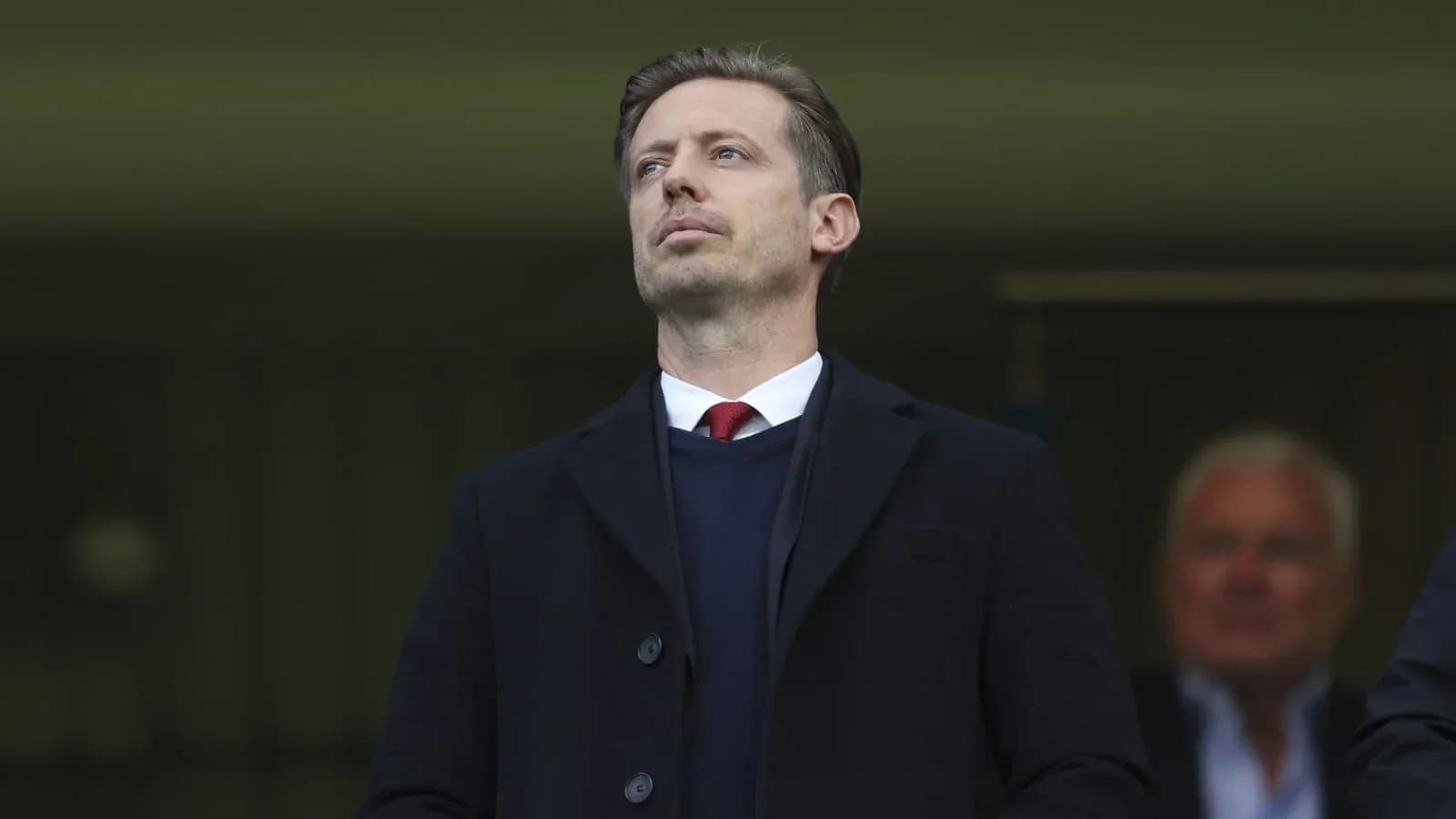
Michael Edwards has resigned from his role as Fenway Sports Group’s chief executive of football, drawing a sudden line under a second spell that was supposed to shape Liverpool’s future well beyond Anfield.
The architect of Liverpool’s modern recruitment era, and a central figure in the club’s rise under Jurgen Klopp, had returned to FSG in a more powerful position two years ago. His brief was clear: oversee a multi-club project, extend FSG’s reach in the global game and steer Liverpool through a delicate period of transition after Klopp’s departure.
That vision never truly got off the ground.
FSG quietly parked their multi-club ambitions late last year. Once those plans were shelved, the momentum behind Edwards’ role drained away. It is understood he informed ownership soon after that he wanted to leave, and attempts to reverse his decision did not work.
His exit, with a year still left on his contract, lands at an awkward time. Sporting director Richard Hughes continues to be linked with a move to Saudi Arabia, and the departure of Edwards strips away another layer of experienced football leadership just as Liverpool try to define their post-Klopp identity.
In a statement, Edwards framed his decision against that bigger backdrop.
"It has been a privilege to return to Fenway Sports Group and Liverpool Football Club at such an important moment," he said. "I leave believing Liverpool is in a strong position, with outstanding people, a clear direction and the foundations in place for continued success."
He spoke of the twin appeal that drew him back: the chance to guide Liverpool through a major transition and to help shape FSG’s wider football strategy.
"When I returned, I was excited not only by the opportunity to help guide Liverpool through an important period of transition, but also by the chance to help shape FSG’s wider football ambitions," he said.
The reality shifted. The grander project was scaled back, and with it the scope of his role.
"While that broader project ultimately evolved differently to how we had originally envisaged, I am proud of the work our team undertook in presenting ownership with a broad range of thoughtful and well-developed options for the future."
His farewell carried the tone of someone closing a long, intense chapter rather than slamming the door.
"I’d like to thank Mike (Gordon), John (Henry), Tom (Werner) and everyone across FSG and Liverpool for their support and friendship and, most importantly, the supporters, whose passion makes this club so special. I will always be grateful to have been part of its story."
Inside FSG, the response was both appreciative and revealing. President Mike Gordon will now absorb Edwards’ responsibilities, a sign of how lean the group’s football leadership has become.
Gordon hailed Edwards’ "extraordinary contribution" and underlined the scale of trust placed in him when he came back.
"When Michael returned in 2024, he did so at a pivotal moment for Liverpool, embracing a broader leadership role across our football interests in the process," Gordon said. Across both stints, he added, Edwards showed "exceptional judgement, integrity and an unwavering commitment to building a strong football organisation for the long term."
Gordon also pointed to the club’s historic English league title as part of Edwards’ legacy, crediting him with an "important contribution" to Liverpool’s ability to navigate a major transition and still land the biggest domestic prize.
"While we are naturally disappointed to see him leave, we will always be grateful for everything he has given," Gordon said, before offering thanks on behalf of John Henry, Tom Werner and FSG as a whole and wishing Edwards and his family "every success and happiness in the future."
The timing and context of the decision are impossible to ignore. FSG once saw the multi-club model as their next great frontier. Edwards was the man entrusted to map it, to apply the same sharp, data-driven thinking that had transformed Liverpool’s recruitment and squad-building to a wider network.
Those plans sit on the shelf. Edwards is walking away. Gordon steps back into the foreground. And with questions swirling around Hughes’ future, Liverpool and FSG now face a familiar challenge without one of the key figures who helped solve it the last time: who shapes the next phase of this club’s football vision?