
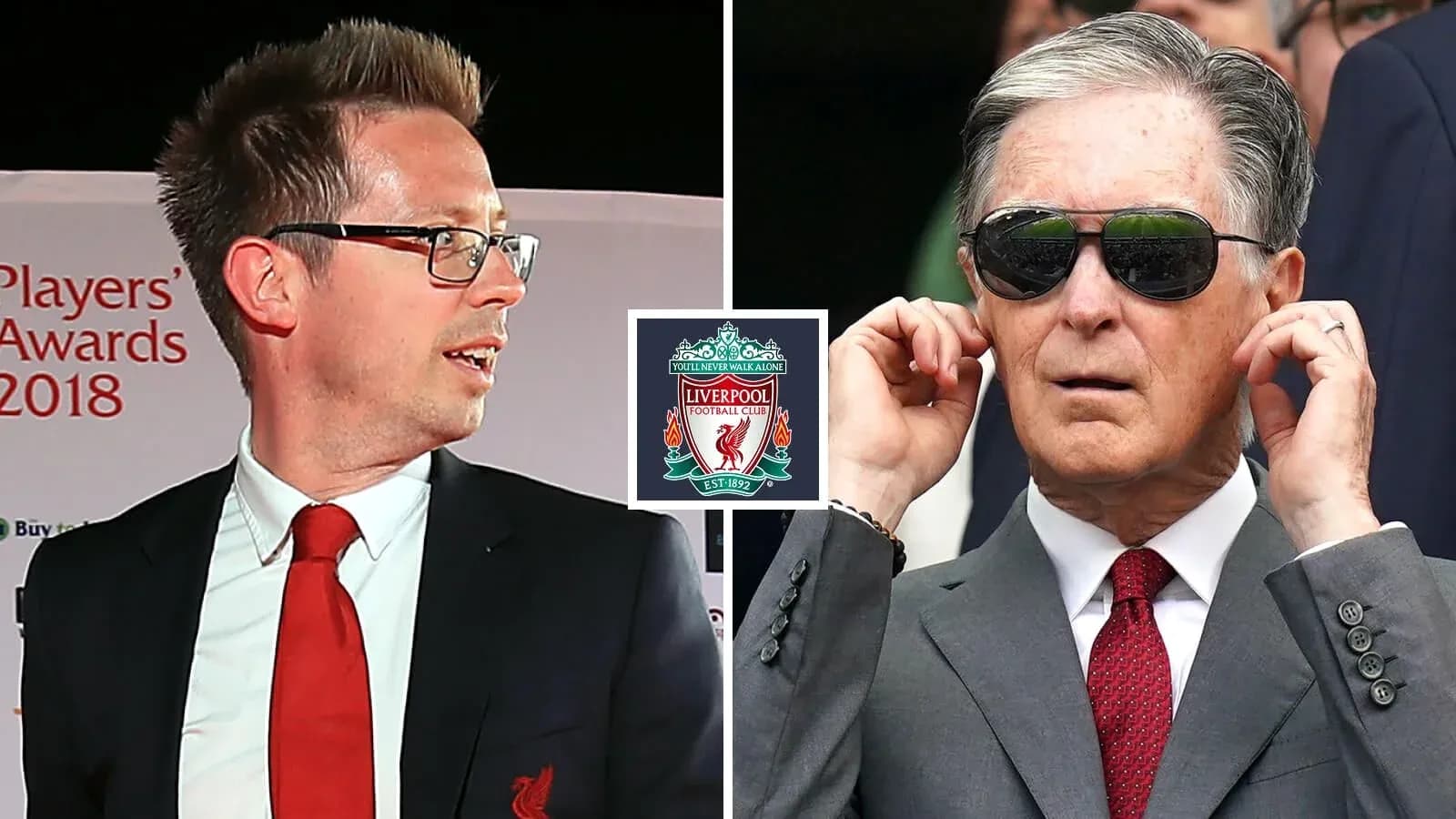
Michael Edwards Leaves Liverpool: A Vision Unfulfilled
Michael Edwards’ second Liverpool era is over before it ever truly became what he wanted it to be.
The architect of so much of the club’s modern success is leaving his role as FSG’s CEO of football before the start of next season, with Fenway Sports Group president Mike Gordon stepping back in to run football operations rather than an external successor being appointed.
For Liverpool, it is the end of a very specific project. For Edwards, it is the end of a promise that never materialised.
The man who came back for a different job
When Edwards returned to FSG in 2024, it was not to reprise the role that made his name. He had already done the sporting director thing, already helped build a Champions League and Premier League-winning side under Jurgen Klopp. This time, the brief was bigger.
He came back to lead a multi‑club model. To oversee an expanded football portfolio. To turn FSG from Premier League powerhouse owners into players on a wider European stage.
The problem? The portfolio never arrived.
FSG explored options. Bordeaux were looked at. Getafe were seriously considered. Then the momentum stalled. By March, The Athletic’s Liverpool correspondent James Pearce was reporting that FSG had effectively shelved plans to buy a second club, leaving Edwards “frustrated by the impasse”.
The job he had been sold began to shrink in scope. The reality no longer matched the pitch.
A title won, a project abandoned
On the pitch, Liverpool moved through a period of upheaval and came out with a historic prize: a 20th English league title, a landmark Gordon was quick to highlight in paying tribute to Edwards.
“Michael has made an extraordinary contribution to Liverpool Football Club and Fenway Sports Group,” Gordon said, stressing how his 2024 return came at a “pivotal moment” and helped the club “successfully navigate a significant period of transition” before that title triumph.
Edwards himself spoke with familiar restraint and clarity on his way out.
“It has been a privilege to return to Fenway Sports Group and Liverpool Football Club at such an important moment,” he said. “I leave believing Liverpool is in a strong position, with outstanding people, a clear direction and the foundations in place for continued success.”
The silverware arrived. The structure behind it, the one Edwards wanted to build across multiple clubs, did not.
Decision made months ago
Pearce reports that Edwards actually informed the FSG hierarchy of his decision last autumn, once it became clear that the group would not be expanding their football holdings. The choice, then, is no sudden reaction to one bad season or one internal disagreement. It has been baked in for months.
Journalist Ben Jacobs backed that timeline, explaining that the failure to deliver a multi‑club model was the decisive factor. Edwards, he said, “never wanted to return in a recruitment role and the main appeal was driving the purchase of a new club”.
When the Getafe move stalled, the direction of travel became obvious. The role had become “very different to the one he’d been promised”. From that point, his exit felt inevitable.
He stayed on to support sporting director Richard Hughes, whose own contract runs to 2027, but the long-term alignment between Edwards and FSG had gone.
Gordon steps back into the spotlight
There will be no headline-grabbing new appointment to replace him. No fresh architect, no imported visionary.
Instead, Gordon will resume direct control of football operations, as he has done in previous cycles of FSG’s ownership. Pearce reports that the ownership group are “unlikely to recruit a replacement”, underlining that this is more of an internal reset than a structural revolution.
It is a move that signals confidence in the existing framework – and also a clear step away from the ambitious multi‑club vision that lured Edwards back in the first place.
What comes next?
Edwards leaves with his reputation intact and, if anything, enhanced. He remains the executive associated with some of the smartest business of the Klopp era and now with a stabilising role in the transition that ended in a 20th league crown.
Jacobs expects him to be “in demand” and “unlikely to seek another extended break from football”. Given his track record and the growing number of ownership groups chasing exactly the kind of multi‑club strategy he wanted to implement, that feels inevitable.
Liverpool and FSG, meanwhile, turn back to a more familiar model with Gordon at the helm and Hughes in place. The foundations, as Edwards insisted, are strong. The direction is clear.
But the big question lingers over Anfield and Boston alike: without the man who wanted to push them into a broader football empire, are FSG content to stay a one‑club powerhouse, or will someone else eventually be trusted to chase the vision Edwards never got to complete?



