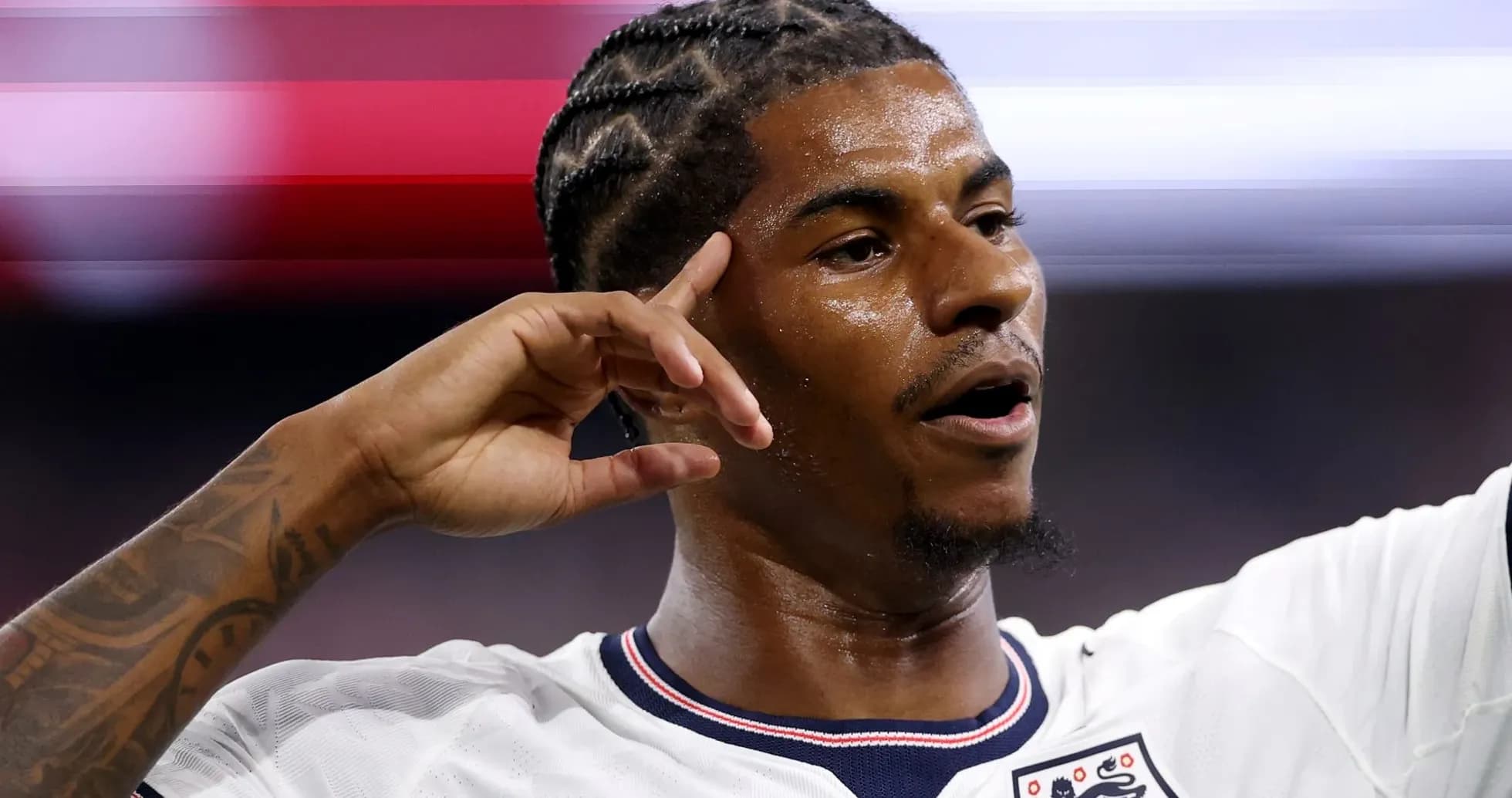
Marcus Rashford's Uncertain Future Amid World Cup Hopes
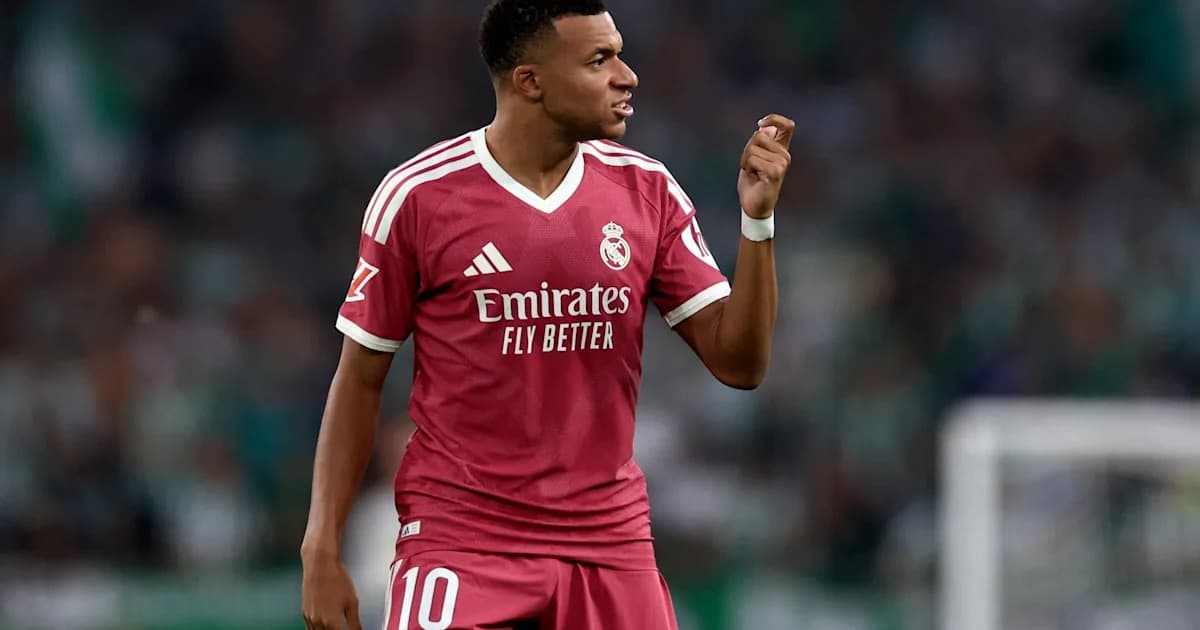
Marcus Rashford’s future may be tangled in uncertainty, but his present is suddenly crackling with life again.
A season on loan at Barcelona in 2025-26 has dragged the Manchester United academy graduate back towards the level that once made him the poster boy of English football. La Liga title. Spanish Super Cup. Fourteen goals in a side featuring Lamine Yamal and Robert Lewandowski. The noise around him had quietened at Old Trafford; in Catalonia, it returned.
Barcelona held an option to make it permanent for £26 million – a bargain in today’s market – and walked away. Their money has gone on Anthony Gordon, another rapid English winger, this time from Everton and Newcastle stock. Rashford, once the obvious marquee signing, is now the intriguing alternative on the market.
Back in Manchester, Michael Carrick is prepared to offer a reset. The former interim boss has been handed the reins full-time and is open to giving Rashford a clean slate. The player, though, appears to be leaning towards a clean break. A new club, a new country, perhaps. Premier League suitors have been mentioned, European ones too, but nothing is nailed down.
All of which feeds into the backdrop as Rashford steps onto the biggest stage of all.
Barnes’ warning: England first, shop window second
Rashford has gone to the World Cup with a point to prove, but John Barnes is in no mood to indulge any idea that this tournament is about personal rehabilitation.
Speaking in association with viagogo and their ‘World Cuts’ campaign, the former England playmaker cut straight through the narrative. For him, the only shop window that matters is for the team.
“England needs to do well as a team. If he feels he wants to do well by himself, that's not going to help England,” Barnes told GOAL.
If Rashford treats the World Cup as a personal showcase, Barnes believes the whole project is at risk.
“If he wants to make this a market or a shop window for himself, where he's going to say, ‘I'm going to get the ball, I'm going to dribble around players because I want to look good individually’ - that is not what's going to win the World Cup. So him needing to do well for himself is not important. He needs to do well for England.”
The message is blunt. The stakes are collective, not individual. Even the presence of Thomas Tuchel – the man tasked with picking the team and managing the egos – doesn’t change that equation.
“And if Thomas Tuchel feels that he's going to be a bit-part player in the squad, he can do nothing about that,” Barnes continued. “So it's not a question of individual players feeling I'm going to take this mantle upon myself to do things, to put myself in the shop window. That's not going to help England. Helping the team play is more important than him looking good for himself.”
For Barnes, this World Cup is not a career fair.
“So this has got nothing to do with Marcus Rashford. It has nothing to do with Marcus Rashford trying to find himself a club. It's to do with England trying to win the World Cup.”
Croatia swept aside, Rashford back on the scoresheet
On the evidence of England’s opening game, the message is getting through.
The Three Lions tore into Croatia in a 4-2 win that felt as much like a statement of intent as a group-stage opener. Harry Kane, the captain and constant, scored twice to move to 81 international goals and stretch yet another record. Jude Bellingham, operating in the No.10 role after edging out Morgan Rogers for the spot, struck early in the second half to underline his growing authority.
Then came Rashford.
Introduced from the bench, he didn’t try to turn the game into a personal showreel. He waited, held his position, then picked his moment. A burst from Bukayo Saka down the flank opened a pocket of space on the edge of the box. Rashford shifted the ball onto his right foot and drilled low into the bottom corner. No fuss. No circus. Just a finish that looked like the old Rashford, the one who once seemed to score this type of goal every other week.
Is he back? Barnes refuses to be swept away by a 15-minute cameo.
“Watching Marcus Rashford for 15 minutes isn't going to lead us to know whether he's back to his old self or not,” he said.
“We can't get carried away because he came on and did what he did to say, ‘OK, he's back to his old self, let's play him’. Very much like we can't get carried away that we've beaten Croatia 4-2 and thinking we're going to win the World Cup.”
Barnes doesn’t judge on flashes. Not with players, not with teams.
“I don't go from minute to minute or from game to game to make a decision as to who I think is going to do well, either individually or collectively.”
What he does believe, though, is that international football suits Rashford.
“Marcus Rashford, I always felt that he'd do better for England than he does for his club. I think international football, particularly from an attacking perspective, you get more room, you get more space. It's easier for him. I remember Darius Vassell at Villa always did better for England than he did for Villa. But I don't think that that's necessarily going to mean that Thomas Tuchel is going to put him in to start when the big games come along.”
The Barcelona loan has clearly restored some confidence. The goal against Croatia only adds to that. But selection when it really bites – knockout rounds, heavyweight opponents – will still hinge on something else.
Talent vs. attitude: the Rashford question
Barnes has never doubted Rashford’s ability. His concern lies elsewhere.
“It depends on his attitude and his commitment. That has always been the issue with Marcus Rashford. I know he's got the talent, but in terms of his attitude, his commitment is the most important thing.”
Tuchel’s view will be shaped by that balance. Not by highlight reels.
“Thomas Tuchel isn’t worried about Marcus Rashford putting himself in the shop window. He's worried about Marcus Rashford playing well for England, which means he just holds the position, passes it simple, plays a simple game, which maybe will help the team but not help him individually. That's the decision Thomas Tuchel will take.”
It’s a stark framing. This tournament, in Barnes’ eyes, is not about securing Rashford’s next contract.
“So this has got nothing to do with Marcus Rashford. It has nothing to do with Marcus Rashford trying to find himself a club. It's to do with England trying to win the World Cup.”
For a player whose club career sits at a crossroads – United or a new life elsewhere – that might be the hardest part: accepting that the best way to help himself is to forget about himself.
No more World Cup haircuts
There was a time when England tournaments came with an unofficial sideshow: the haircuts.
From David Beckham’s mohawk to the bleached-blonde tributes to Paul Gascoigne, copied years later by Phil Foden, every major finals seemed to spill onto the nation’s high streets. Salons were full. Kids wanted to look like their heroes before they played like them.
Barnes doesn’t see that culture returning.
Asked if fashion and football might intertwine again as FIFA’s flagship event rolls through North America, he was dismissive.
“No, those days are over. Footballers are sensible now. You don't let anything get in the way of football. Marcus Rashford, he has some kind braids, but haircuts don't mean much anymore. So no, I think they'll be concentrating on the football this World Cup, not the hairstyles.”
The focus, he insists, is narrower. Less noise, more work.
Across the country, children might not be booking dramatic trims, but they are watching. They are studying Kane’s movement, Bellingham’s authority, Saka’s fearlessness, Rashford’s resurgence. They are waiting to see if this generation can finally end a drought that has stretched since 1966.
For Rashford, the equation is brutal and simple: if he buys into that cause, he can help chase away 60 years of hurt – and, almost as a side effect, reshape his own career. If he doesn’t, someone else will step into the space he once owned.