Egypt's Historic World Cup Victory Over New Zealand
For 90 years, Egypt kept turning up at World Cups and leaving without a win. Three tournaments, no victories, only regret and folklore.
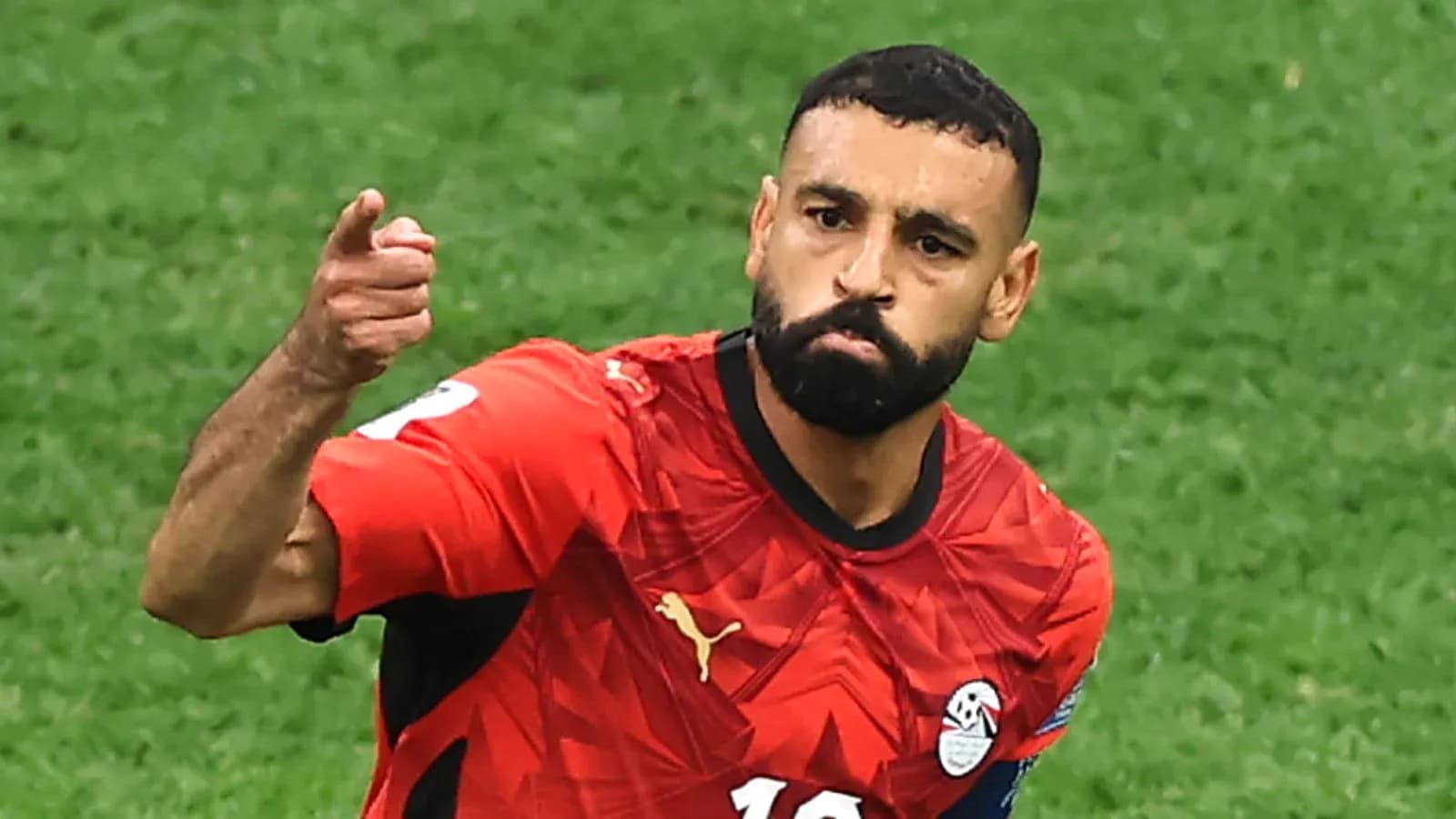
In Vancouver, that ended – of course – with Mohamed Salah at the heart of it.
The 34-year-old scored one, made another and dragged Egypt from a flat, worrying display into a ferocious second-half surge that overwhelmed New Zealand 3-1 and delivered the Pharaohs’ first-ever World Cup triumph.
It was not a night that began with destiny in the air. It began with doubt.
New Zealand strike first, Egypt drift
Hossam Hassan’s side started like a team carrying the weight of history on their shoulders. Sluggish in possession, loose at the back, they allowed New Zealand to settle and play.
The warning came early. On 14 minutes, Mostafa Shobeir had to spring to his near post to block Elijah Just, a sharp stop that briefly jolted Egypt awake. The response never really followed.
From the resulting corner, the fragility that has stalked Egypt’s World Cup story resurfaced. Finn Surman drifted free, the marking disintegrated, and he powered his header in. One-nil, and fully deserved.
Egypt’s attack, led by Salah, barely flickered in that first half. When the chance finally arrived – a rolled free-kick from Omar Marmoush on 35 minutes – Salah bent the ball past the left-hand post. Wrong side of the net, emblematic of a half that never quite found its edge.
New Zealand, under Darren Bazeley, moved the ball with confidence. They dominated possession, created chances, and looked the more composed side. For Egypt, the ghosts of 1934, 1990 and 2018 were starting to stir again.
Then came the break. And something changed.
Hassan’s half-time jolt, and a very different Egypt
Whatever Hossam Hassan said in that dressing room, it landed.
Egypt emerged with urgency, with bite, with the sort of menace that had been entirely absent in the opening 45 minutes. Salah, quiet and peripheral before the interval, suddenly demanded the ball. The team followed his lead.
New Zealand still carried a threat. Callum McCowatt forced Shobeir into another sharp save on 52 minutes, a looping header tipped over the bar. Had that dipped in, the story might have died right there.
Instead, the pressure swung violently the other way.
On 58 minutes, Egypt finally attacked a cross with conviction. Mohamed Hany whipped the ball in from the right, Mostafa Ziko peeled away, unmarked, and buried his header. Simple. Clinical. And the first sign that New Zealand were starting to buckle under the tempo Egypt had cranked up.
The equaliser did more than change the score. It changed the mood. The Pharaohs suddenly played like a team that believed the past was about to be broken.
Salah’s moment, written in familiar ink
Then came the move everyone inside the stadium had been waiting for.
A rapid break, green shirts scrambling backwards. Ziko and Salah, exchanging passes at pace, cutting through the New Zealand back line. The ball came back to Salah in his favourite corridor, just inside the box, angle open.
He didn’t lash it. He didn’t hesitate. He swept it, that trademark left-foot finish he repeated for years at Anfield, curling the ball home to put Egypt in front for the first time in Vancouver.
It was a beautiful goal. It was also historic.
With that strike, Salah became Egypt’s oldest World Cup goalscorer. Later in the night, his assist would make him the oldest African player on record to both score and assist in a World Cup match. At 34, in what feels like the late chapter of a glittering career, he is still bending tournaments to his will.
He now has a direct hand in every World Cup game he has ever played: goals against Russia and Saudi Arabia in 2018, an assist versus Belgium in 2026, and now this masterclass against New Zealand.
The World Cup of the superstar? Salah is refusing to step aside for the new generation just yet.
Trezeguet seals it as New Zealand fade
Once in front, Egypt smelled blood.
New Zealand, so composed in the first half, could not live with the increased tempo. Passes that had been crisp turned hurried. Clearances went long. The control Bazeley praised from the opening 45 minutes slipped away with every Egyptian surge.
On 82 minutes, the contest was effectively finished – again with Salah at the heart of it.
This time he went to the corner flag on the right, shaped his delivery, and picked out substitute Trezeguet with precision. The header was brave and emphatic, planted past Max Crocombe. Three-one. The first win secured. The knockout stages suddenly within reach.
There was still time for a flourish that never quite came. Deep into stoppage time, substitute Zizo rounded Crocombe, the goal gaping, but delayed just long enough for a desperate block to deny Egypt a fourth. No matter. The damage was done long before.
A landmark night, and a warning
When Salah spoke afterwards, he did not dress it up. He called it “a great achievement for all the players, for the staff” and talked about writing history, about this win being remembered among Egypt’s greatest footballing moments. He also struck the note every coach wants to hear: enjoy this, then move on quickly.
For Egypt, this is more than three points. It is the end of a peculiar, painful statistic and the start of something far more ambitious. They stand on the brink of the knockout rounds, led by a forward who refuses to fade quietly into the background of this World Cup.
For New Zealand, the mood is very different. Bazeley labelled the result “disappointing,” and he was right to. His team were excellent in the first half, intelligent and brave on the ball, but they could not live with Egypt’s second-half surge.
“We know we have to beat Belgium now,” he said. One game away from their own slice of history, but the margin for error is gone.
Egypt, by contrast, walk away from Vancouver with their first World Cup win, their talisman rewriting records, and a question hanging over the rest of Group G:
If this is what they look like once they wake up, who is going to want to face them next?