Manchester United's Summer Rebuild: A Shift in Strategy
Manchester United’s summer was never supposed to look like this. Not ripped up, but redrawn. Not chaos, but certainly not the clean, surgical rebuild drawn on the whiteboard back in May.
The plan was Elliot Anderson, then Mateus Fernandes, then Éderson. Three names, three profiles, one rebuilt midfield. Instead, Anderson is across town at Manchester City for £116 million, Fernandes has gone to Tottenham for £85m, and a £35m deal for Éderson collapsed late on medical grounds. Every time United thought they had a clear lane, someone else slammed their foot on the accelerator.
So the names have changed. The idea hasn’t.
A window of tweaks, not tantrums
Omar Berrada set the tone before the window even opened. The new CEO warned United would need to be “flexible.” It sounded like a cliché at the time. It reads like a mission statement now.
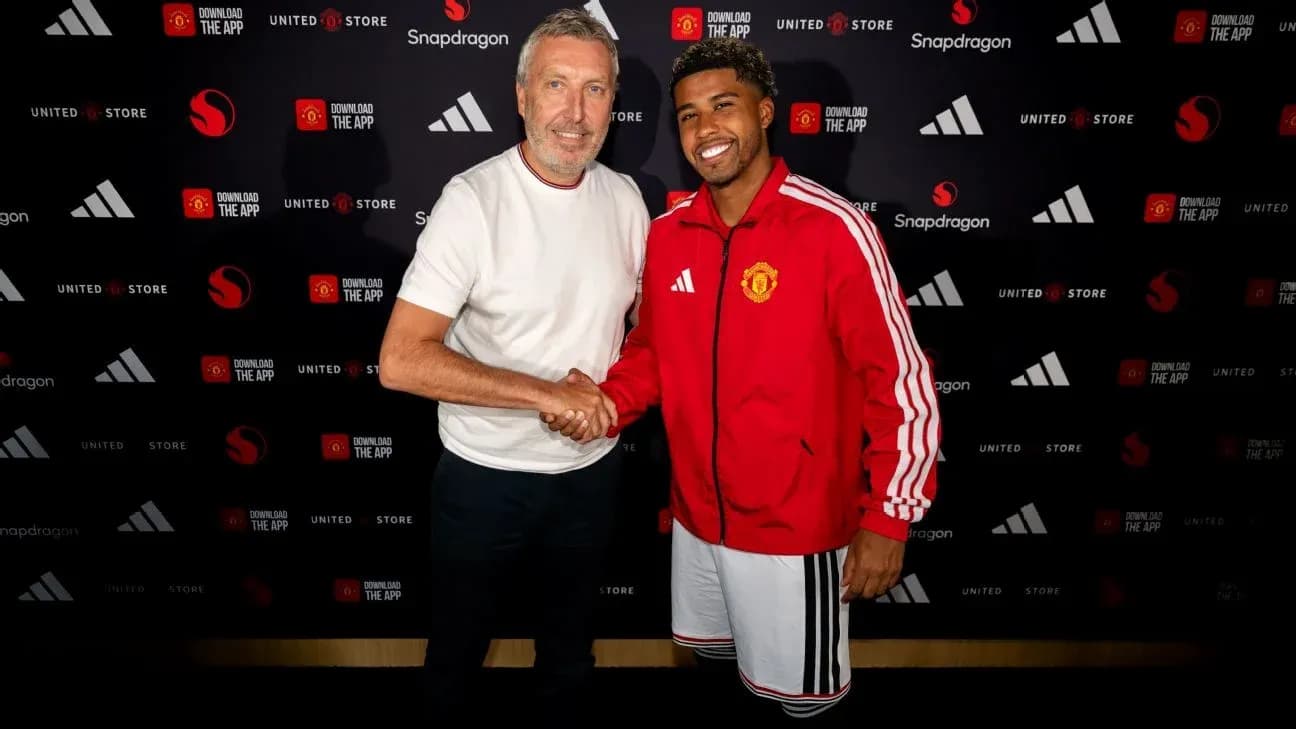
Rather than Anderson and Fernandes, the midfield rebuild has been built around Andrey Santos, signed from Chelsea for £48m, and Youri Tielemans, brought in from Aston Villa for £35m via a release clause that fits neatly with Berrada’s aversion to the so‑called “United tax.”
Inside the club, Berrada and director of football Jason Wilcox have made a point of staying calm as the market has spun around them. United have panicked in summers gone by, throwing money at problems and hoping the badge did the rest. This time, according to those close to the process, they’ve been just as focused on avoiding the wrong deals as landing the right ones.
They had to be. The first big target was probably never realistic.
Lessons from City’s shadow
United knew early that Anderson, their initial top target, was drifting away. Manchester City’s interest was strong, Nottingham Forest wanted close to £120m, and the numbers started to look like a trap rather than a statement.
There was a fresh scar to remind them of the danger. In January, they thought they were right in the race for Bournemouth winger Antoine Semenyo. Talks with his camp were positive, the path seemed clear, and United even expected Liverpool to be the main competition. Then City walked into the room.
After Semenyo met City, wage demands jumped. United stepped back. City didn’t. Semenyo ended up at the Etihad for £64m, and United were left with a lesson: once City are in, the financials can spiral fast.
They weren’t going to repeat it with Anderson. The interest cooled early. The focus moved.
Fernandes, but not at any cost
If Anderson was a battle United decided not to fight, Fernandes was one they could have. On paper, at least.
United had budgeted £80m-£90m for a new midfielder. They could have matched Tottenham’s £85m deal with West Ham. They didn’t. Not because of the fee alone, but because the feeling around the player never quite convinced them.
During talks, sources say United never got the sense that Old Trafford was Fernandes’ clear preference. There was no Mbeumo‑style insistence, no Cunha‑like certainty. When the time came to decide whether to go all in and meet West Ham’s demands, doubts over his commitment weighed heavily.
For Berrada and Wilcox, that mattered. Last summer, Bryan Mbeumo and Matheus Cunha had interest from a string of clubs, some in the Champions League, but both pushed hard to join United. Inside Carrington, there’s a belief that this clarity of desire helped them settle quickly.
The contrast with Jadon Sancho still lingers. There are staff who feel the £73m winger never fully convinced himself about leaving Borussia Dortmund for United in 2021, and that the hesitation showed.
Tielemans was the opposite.
Tielemans and Santos: clarity over chaos
Tielemans ticked boxes quickly. Premier League experience, tactical intelligence, a £35m release clause that cut out endless haggling – and, crucially, a firm message that he wanted United.
That clarity came at a time when another carefully prepared deal was collapsing. United had an agreement in place with Atalanta for Éderson, worth around £35m, before the World Cup. Medical tests then highlighted an issue that made the club feel they couldn’t proceed. The move was halted. Club sources haven’t ruled out revisiting it later in the summer, but for now it’s off the table.
With Fernandes’ price rocketing and Éderson’s move paused, United pivoted. Santos arrived from Chelsea for £48m plus £2m in add-ons, a fee viewed internally as more responsible than chasing a market-inflating auction.
United had initially placed Fernandes in a bracket of players they thought could move for £40m-£50m, especially if West Ham went down. Instead, Tottenham dropped £85m on him and another hefty sum on Sandro Tonali, spending a combined £185m on two midfielders United had tracked.
Recruitment staff at Old Trafford try to map out how rivals will behave. Tottenham’s early aggression blew up a few of those forecasts.
Budgets, injuries and shifting ground
The numbers behind the rebuild are constantly moving. Champions League qualification has boosted revenue, but United are still in no position to burn money.
The initial hope was that outgoings would quietly fund the main midfield arrival. Rasmus Højlund’s £40m move to Napoli was supposed to be part of a package of sales, alongside potential exits for Marcus Rashford, Manuel Ugarte, Joshua Zirkzee and Altay Bayindir, raising around £90m.
The plan frayed quickly. Barcelona opted against making Rashford’s £25m deal permanent. Ugarte then suffered a serious knee injury playing for Uruguay at the World Cup, a setback that could keep him out for most of the year and effectively removed him from the market.
With income fluctuating and needs growing, Berrada’s preference for release clauses has become even more important. Tielemans’ fixed £35m price was a rare piece of certainty in a window full of moving parts.
United haven’t closed the door on adding a third midfielder, especially after Ugarte’s injury. The shortlist is long and varied: Bournemouth’s Alex Scott and Tyler Adams, Fulham’s Sander Berge, Crystal Palace’s Adam Wharton, Wolves’ João Gomes, Roma’s Manu Koné and Lille’s 18‑year‑old World Cup breakout Ayyoub Bouaddi, the Morocco international who has attracted attention across Europe.
Real Madrid’s Eduardo Camavinga has been offered to a number of Premier League clubs. United have also revisited data and scouting work on Brighton’s Carlos Baleba, a player they enquired about last summer before being told the fee would be in the Moisés Caicedo bracket – close to the £100m Chelsea paid in 2023.
Those numbers explain why United have chosen their battles carefully.
More than just the midfield
The rebuild doesn’t stop in the middle of the pitch. United want a left‑sided player – either a full-back or a winger – and a second striker. Depth is no longer a luxury; it’s a necessity.
Wales international Karl Darlow, 25, is expected to arrive from Leeds United as experienced cover for current No.1 Senne Lammens. It’s not a headline deal, but it’s the kind of squad-building move United have sometimes neglected.
The demands next season will be brutal. A third‑placed finish last year brought Champions League football back, but it also guarantees a heavier schedule, more travel, and more strain on a squad that has too often creaked under pressure. United know the starting XI needs a lift in quality, but they’re just as aware that the bench has to be stronger.
Inside the club, there’s a quiet confidence about the window so far, even as frustration bubbles among sections of the fanbase who expected a marquee midfield name by now. Those driving the recruitment insist the work can only be judged when the deadline passes, not midway through the scramble.
There are six weeks until the Premier League returns on Aug. 22. Seven until the market closes on Sept. 1. Time enough for another twist, another target, another recalculation.
The best-laid plans have already been rewritten. The question now is whether this more disciplined, more selective United can turn a summer of setbacks into a squad strong enough to prove that restraint was finally the right call.