Manchester United's Champions League Return: Revenue and Strategic Choices
Manchester United are back at Europe’s top table, and the numbers are as big as the expectations.
Club projections point towards around £200m in revenue next season, with roughly half of that expected to be generated in the upcoming transfer window. Champions League qualification alone is set to deliver up to £100m in extra income. It is a financial jolt that changes the mood around Old Trafford – but not the plan.
Because there is a plan now. And it does not involve throwing money at the first shiny object in the window.
Carrick in the Frame, but No Coronation Yet
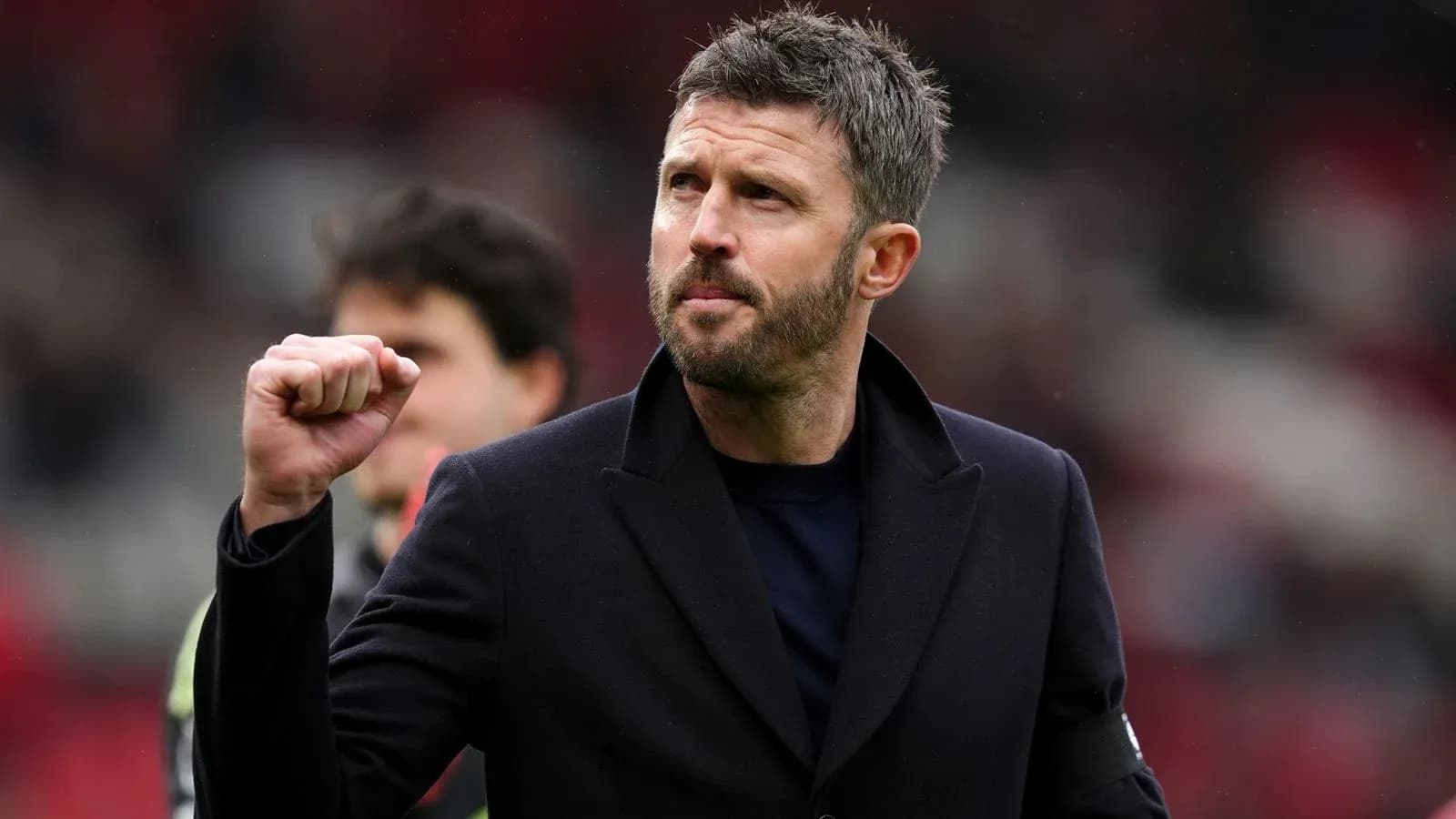
The surge back into the Champions League strengthens Michael Carrick’s hand. Strongly.
He was handed a clear set of objectives in January. He has ticked every box. Inside the club, it makes the idea of giving him the job long term feel not just logical, but almost inevitable.
Almost.
United will not confirm the head coach’s position until after the season ends. A full interview process is locked in, with heavyweight names such as Carlo Ancelotti, Thomas Tuchel, Julian Nagelsmann and Luis Enrique all on the radar. The hierarchy want rigour, not romance.
Carrick remains the favourite. His work has made it difficult to justify turning elsewhere. But Champions League football, as powerful as it is on a CV, does not guarantee him the job. United will listen to other candidates before they decide who leads this project.
Big Money, Careful Moves
Supporters can see the headlines: £100m of new European money, a return to glamour nights, a squad that clearly needs surgery. The temptation is obvious – spend. Hard and fast.
United will not do that.
“Sustainability” is still the internal buzzword. It may not quicken pulses in the stands, but it drives every decision in the boardroom. The club want targeted upgrades in key positions, not a scattergun spree.
The cash itself underlines why. The Champions League windfall does not arrive as a lump sum; it is staggered across the season. Even in the worst-case scenario – losing every group game – United stand to earn up to £70m from extra broadcast revenue, ticket sales, merchandising, corporate activity and more. Adidas will add another £10m just for the club’s return to the competition.
But costs climb with success. The current squad’s contracts are structured to reward Champions League qualification, so wages will rise. The idea that every extra pound from Europe can be thrown straight at transfer fees is simplistic – and wrong.
Then there is the looming giant on the horizon: the club’s ambition to build a 100,000-seater stadium within the next five to six years. That project will shape every financial call from here on.
Selling to Build
So the summer is not just about buying. It is about cutting, clearing and recalibrating.
The priority on the pitch has been clear for some time: two elite central midfielders. Off the pitch, though, the focus is just as sharp on trimming the wage bill and finally moving on several big earners who no longer fit the project.
That cost-cutting could end up doing more for United’s finances than the £80-100m Champions League injection.
Rasmus Hojlund’s potential £38m move to Napoli becomes an obligation if the Italian club secure Champions League football. Sales of Marcus Rashford, Manuel Ugarte and Joshua Zirkzee are also expected to go through in the upcoming window, adding further fuel to the transfer budget.
Casemiro’s departure will free up a huge chunk of salary. Contracts for Jadon Sancho and Tyrell Malacia are running down and set to expire in the coming months. Once those wages come off the books, United will have room to strengthen across the squad.
They will need it. Next season’s calendar will be heavier, and this group has already shown its limits when stretched.
Midfield Overhaul at the Heart of the Plan
Midfield is where the scalpel goes deepest.
Ugarte is expected to follow Casemiro out of the door, leaving a clear need for fresh legs and fresh profiles. Nottingham Forest’s Elliot Anderson remains a priority target. United have also kept a long-term eye on Brighton’s Carlos Baleba and Newcastle United’s Sandro Tonali.
These are not vanity signings. They are pieces in a larger puzzle: younger, dynamic, able to carry the load of domestic and European football over several seasons.
Fixing the Flanks
Left-back has become a problem position, and United know it.
Luke Shaw has been excellent since returning to his natural role under Carrick, but the lack of reliable back-up is glaring. Malacia, out of contract this summer, has played just seven Premier League minutes all season. With more games on the horizon and Shaw’s injury history in mind, that is a risk the club cannot carry.
United are tracking Eintracht Frankfurt’s Nathaniel Brown, keeping tabs on Newcastle United’s Lewis Hall and monitoring Arsenal’s Myles Lewis-Skelly as they weigh up options to reinforce that flank.
On the left wing, the need is different but just as pressing: flexibility and a different kind of threat.
Matheus Cunha has largely owned the role this season, with Patrick Dorgu emerging as a viable alternative. But if United are to step up a level, they want a new profile there – a more direct, right-footed winger who can attack defenders and change the rhythm of games.
RB Leipzig’s Yan Diomande has been on United’s list for some time. He will not be short of offers this summer. The question is whether United’s improved financial muscle – and the lure of Champions League football – can tilt those negotiations in their favour.
A Bigger Stage, Higher Stakes
Champions League football transforms the conversation with potential signings. It sharpens the pitch, raises the ceiling and restores a sense of belonging at the top level that had begun to fade.
It also raises the stakes.
United now stand at a junction: a richer club, but one still rebuilding; a manager in Carrick who has done everything asked of him, but whose long-term future is not yet guaranteed; a squad that will be reshaped as much by those who leave as by those who arrive.
The money is coming. The fixtures are coming. The pressure is coming.
What United do with this moment will decide whether this season’s step forward becomes a new era – or just another brief glimpse of what might have been.