Manchester City vs Arsenal: Tactical Analysis of the Premier League Showdown
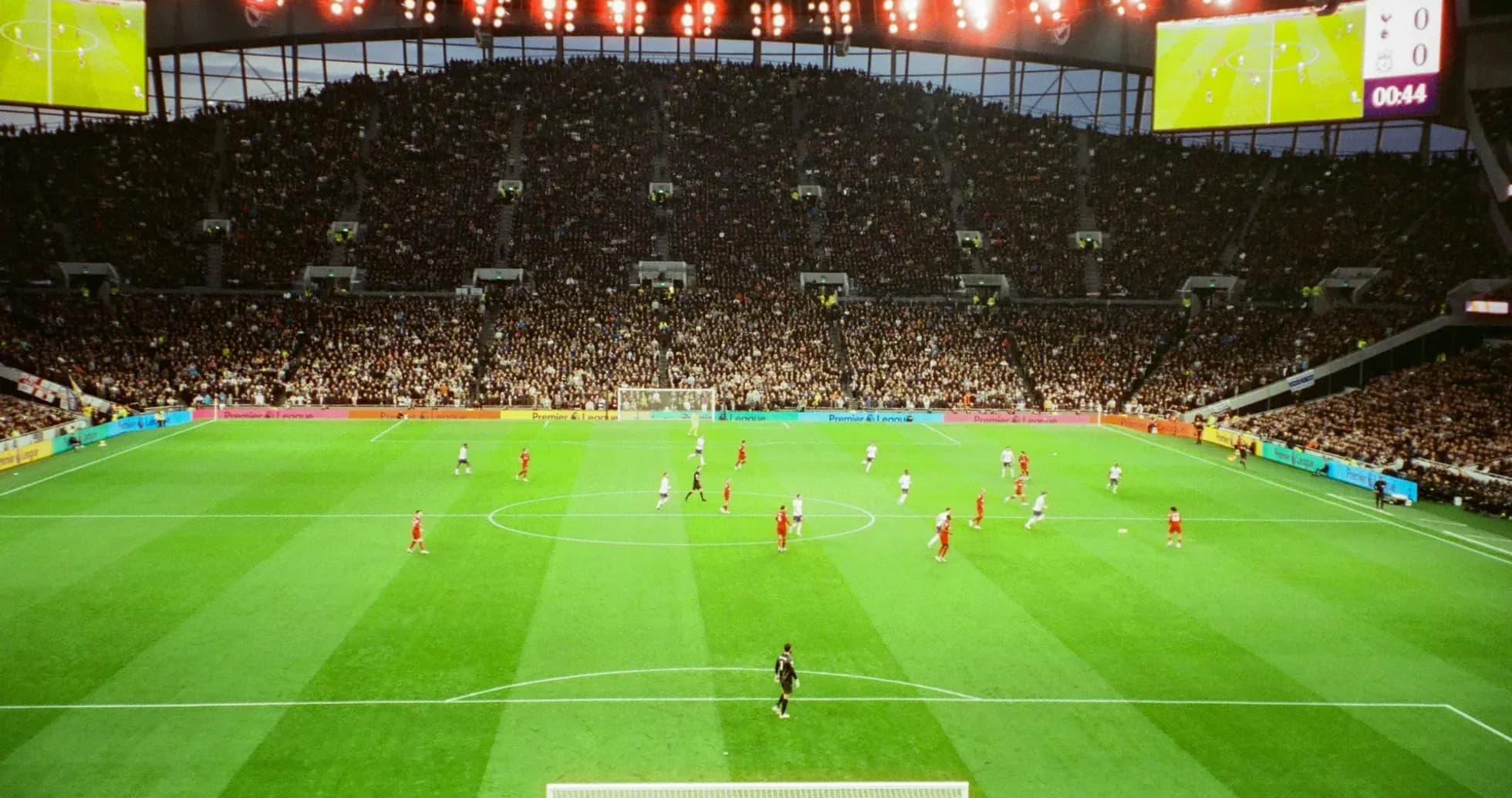
Etihad Stadium under a leaden Manchester sky, and a title race balanced on a knife edge. Following this result, Manchester City’s 2–1 win over Arsenal in the Premier League’s Regular Season - 33 feels less like a single game and more like a statement of squad architecture and tactical clarity.
I. The Big Picture – Two Machines, One Margin
The table coming into the day framed everything: Arsenal top with 70 points and a goal difference of 37 (63 scored, 26 conceded), City chasing on 67 points with a goal difference of 36 (65 scored, 29 conceded). Both sides arrived as the league’s most complete units: City with 65 goals in total at an average of 2.0 per game and just 0.9 conceded; Arsenal with 63 in total at 1.9 per game and only 0.8 against.
At home, City’s profile has been ruthless. Heading into this game they had 38 goals at the Etihad, averaging 2.4 per home match, conceding only 12 at 0.8 per home game. Arsenal, on their travels, were almost as imposing: 27 away goals at 1.6 per away match, with just 15 conceded at 0.9. This was not a clash of styles so much as a clash of perfected systems.
Pep Guardiola leaned into a 4-2-3-1, a slight evolution from City’s season-long preference for 4-1-4-1 and 4-3-2-1. Mikel Arteta stayed loyal to Arsenal’s 4-3-3, the shape they have used in 22 league games, a structure built on control and vertical surges.
II. Tactical Voids – Absences That Redrew the Map
Beneath the clean tactical diagrams were the absences that quietly re-scripted the contest.
For City, R. Dias (muscle injury) and J. Gvardiol (broken leg) were both ruled out. That stripped Guardiola of his two most natural left-sided, build-up friendly centre-backs. Into that void stepped A. Khusanov and M. Guehi as the central pairing, with M. Nunes and N. O’Reilly flanking them. The result was a back four that could still circulate the ball, but with a subtly different risk profile: more athletic recovery, slightly less pure orchestration from deep.
Arsenal’s losses were even more structurally significant. R. Calafiori (knock), M. Merino (foot injury), B. Saka (injury) and J. Timber (ankle injury) all missed out. Without Saka, Arsenal lost their most consistent right-sided outlet and penalty-box chaos agent. Timber’s absence removed a progressive defender who, in the league, had provided 5 assists and 66 tackles, a defender who had blocked 6 shots and often stepped into midfield. Merino and Calafiori would have added control and balance on the left; instead, Arteta leaned on P. Hincapie at left-back and a front three of N. Madueke, K. Havertz and E. Eze.
Disciplinary trends also hung over the fixture. City’s season-long yellow-card distribution shows a late-game spike: 22.03% of their yellows between 46-60 minutes, 16.95% between 61-75, and 20.34% from 76-90. Arsenal’s own caution curve peaks late too, with 20.93% of yellows between 76-90 and 18.60% between 61-75. In a tight title match, the final half-hour was always likely to be a zone of tactical fouling, controlled aggression and substitutions aimed at managing that emotional edge.
III. Key Matchups – Hunter vs Shield, Engine vs Engine
Hunter vs Shield was always going to be Erling Haaland against Arsenal’s defensive record. Haaland entered this fixture as the league’s top scorer with 23 goals and 7 assists, built on 91 total shots and 51 on target. His penalty record, though, carried a caveat: 3 scored but 1 missed this season, a reminder that even his ruthlessness has human edges.
He was matched against a back line that, heading into this game, had conceded only 26 in total, at 0.8 per match. On their travels, Arsenal had allowed just 15 goals at 0.9 per away game. W. Saliba and Gabriel, shielded by M. Zubimendi and D. Rice, formed a central box designed to suffocate Haaland’s preferred channels. Yet City’s structure made it impossible to collapse solely on the Norwegian.
Behind and around Haaland, the creative geometry was brutal. R. Cherki, second in the league’s assist charts with 10, operated as the central technician in the 4-2-3-1. His 47 key passes and 84 dribble attempts (42 successful) this season speak to a player who constantly forces decisions in the half-spaces. B. Silva, with 4 league assists and 36 key passes, floated as the rhythm-setter, while J. Doku and A. Semenyo stretched Arsenal horizontally.
On the other side, Arsenal’s attacking trident without Saka had a different flavour. E. Eze offered ball-carrying and inside movements from the left, Madueke provided directness on the right, and Havertz moved between lines as a false nine. But the true “engine room” confrontation lay deeper: Rodri and Bernardo Silva against D. Rice and M. Odegaard.
Rice’s season has been immense: 4 goals, 5 assists, 62 key passes and 63 tackles, with 11 blocked shots. He is both destroyer and distributor. Opposite him, Rodri anchored City’s double pivot, allowing Bernardo to shuttle higher. The duel was not just about tackles won but about who could dictate the tempo between minutes 31-75, the stretch where both teams’ card data and Arsenal’s goal timings intersect.
Arsenal’s offensive minute distribution shows a late-game surge: 21.67% of their goals between 31-45, another 21.67% between 46-60, and a peak 23.33% from 76-90. City’s card spikes in those same windows hinted at a clash between Arsenal’s late attacking waves and City’s need for tactical fouls to break rhythm.
IV. Statistical Prognosis – Margins of Control
Following this result, the numbers behind these squads still suggest a razor-thin separation, but City’s structural edge at home remains decisive. Their 13 clean sheets in total, 7 at home, paired with only 4 total matches where they failed to score, create a foundation that is almost impossible to crack at the Etihad. Arsenal, with 15 clean sheets overall and only 3 games in total without a goal, remain an elite two-way side, but the absences of Saka and Timber narrowed their attacking and build-up variance.
In xG terms, this kind of matchup almost certainly tilted towards a balanced profile: City’s consistent 2.0 goals-for average and 0.9 against suggest a typical home xG edge, while Arsenal’s away averages of 1.6 for and 0.9 against point to a side capable of generating good chances but often needing efficiency to win these margins.
The late-game statistical intersection is telling. Arsenal’s 23.33% of goals in the 76-90 window ran straight into a City side that often absorbs that period with controlled aggression and yellow cards. In a title-defining fixture, that manifests as City bending but not breaking, using their deep bench – P. Foden, Savinho, O. Marmoush – to refresh the press and keep Arsenal’s final surge at arm’s length.
The 2–1 scoreline, with the half-time parity of 1–1, fits the underlying profiles: a game where Arsenal’s structure kept them competitive, but City’s layered attacking cast around Haaland and Cherki, plus their ferocious home metrics, ultimately tilted the expected goals balance just enough. In a race where goal difference is a product of season-long habits, City’s slightly sharper attacking ceiling and Arsenal’s injury-hit flank may be the tiny edges that decide everything.