Crystal Palace vs West Ham: Tactical Stalemate Ends in 0-0 Draw
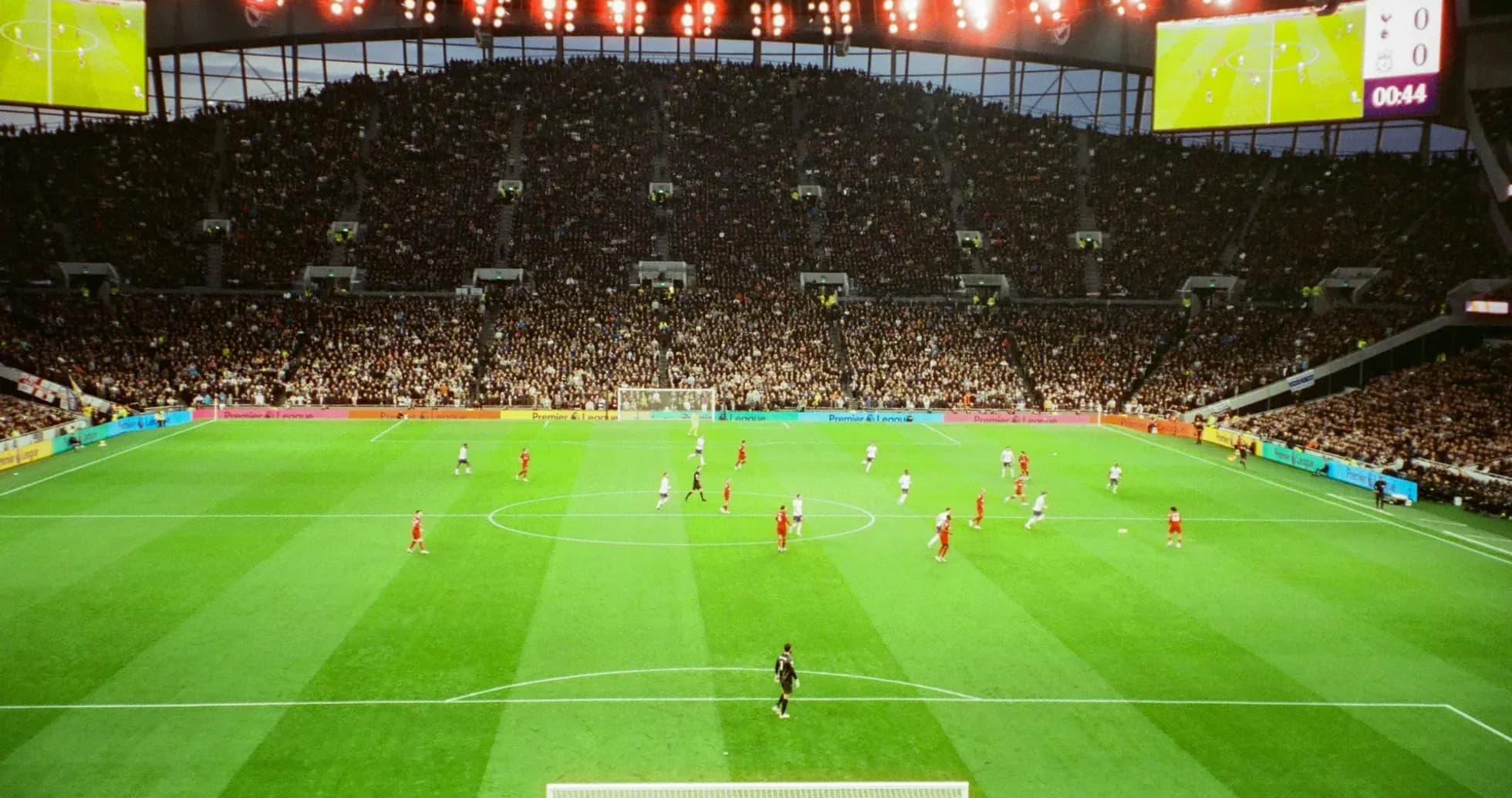
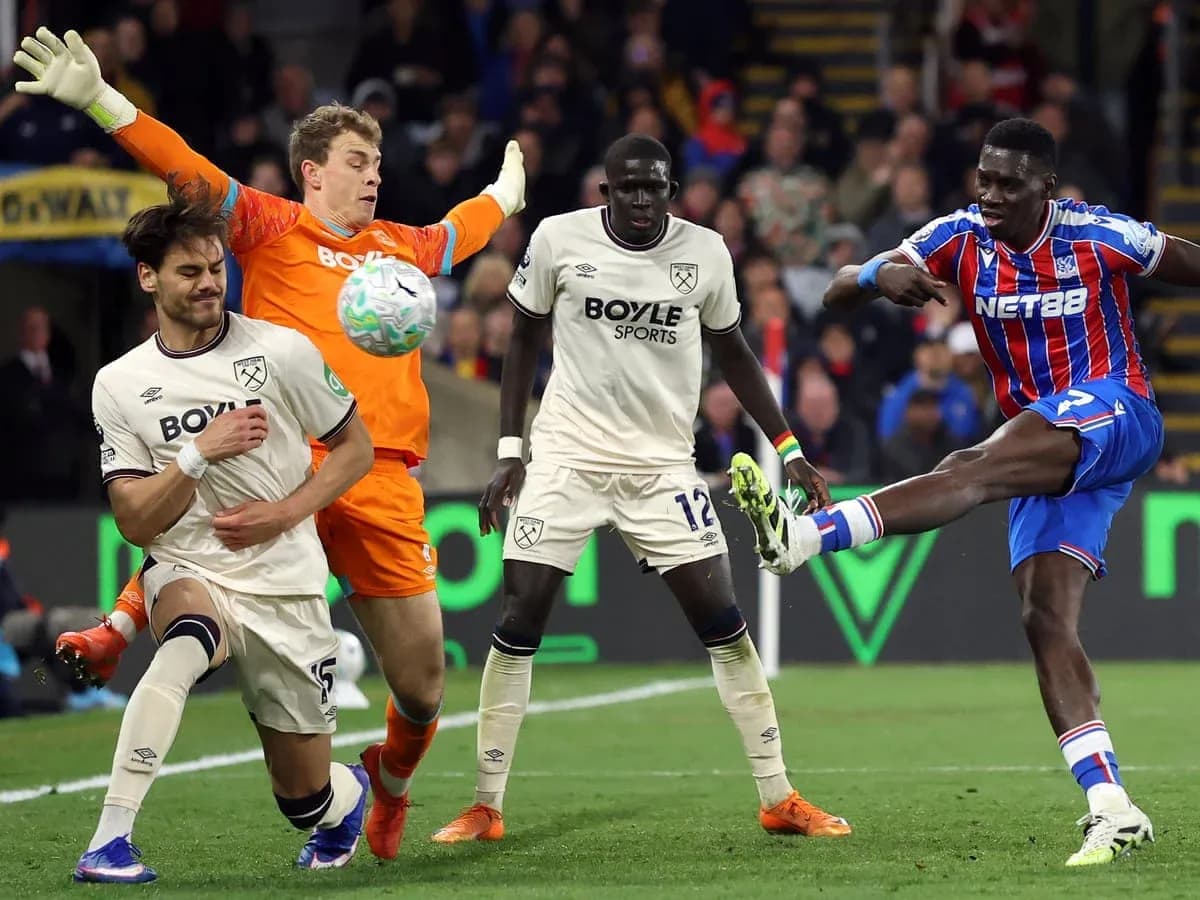
Selhurst Park witnessed a tense, tactical stalemate as Crystal Palace and West Ham cancelled each other out in a 0–0 draw that felt more like a chess match than a shootout, with both sides creating just enough threat to believe they could win, but never quite enough to deserve it.
The Story of the Match
The opening phase unfolded in cagey fashion, with Crystal Palace looking the more proactive side in possession while West Ham sat in a compact block, happy to absorb pressure and spring forward when space appeared. Palace’s wing-backs pushed high in Oliver Glasner’s 3-4-2-1, trying to stretch the visitors and feed Jørgen Strand Larsen, but the final ball was often a touch rushed. The first flash of needle arrived on 21 minutes when B. Johnson went into the book for tripping, a moment that underlined Palace’s desire to press aggressively and break up West Ham’s counters early.
As the first half wore on, Palace’s extra man in midfield began to tell in terms of territory, yet clear chances remained scarce. West Ham’s back four, marshalled by Konstantinos Mavropanos and Axel Disasi, dealt well with crosses, while Mads Hermansen was largely untroubled. At the other end, Dean Henderson had to stay alert, with West Ham looking most dangerous when Jarrod Bowen and Crysencio Summerville could isolate defenders in transition, but the home side’s back three handled most of the danger with composure. The interval arrived with the scoreline goalless and the pattern set: Palace probing, West Ham resisting.
A tactical shift from Glasner just before the hour mark signalled Palace’s intent to tilt the balance. On 59 minutes he rolled a triple substitution: Yéremy Pino made way for I. Sarr, J. S. Larsen was replaced by J. Mateta, and W. Hughes came off for D. Kamada. The momentum swung briefly as fresh legs injected more verticality and direct running into Palace’s attack. Sarr’s willingness to take on his man and Kamada’s ability to find pockets between the lines gave West Ham new problems, but the home side still struggled to turn promising positions into high-quality chances.
Nuno Espirito Santo responded in the final quarter of an hour. On 75 minutes Pablo was withdrawn for C. Wilson, adding a more traditional penalty-box presence ahead of Valentín Castellanos. The change hinted at a late West Ham push, and they did carve out the better shooting opportunities overall, forcing Henderson into three saves across the 90 minutes. Yet Palace’s structure rarely collapsed, and the game remained finely poised rather than frantic.
The closing stages were increasingly scrappy. On 78 minutes, B. Johnson’s evening ended as he was replaced by J. Devenny, a move that added fresh energy but also underlined Glasner’s frustration at Palace’s lack of cutting edge. West Ham made a further tweak on 84 minutes, with T. Castellanos coming off for M. Kante, shoring up the midfield and effectively signalling that a point away from home would be acceptable. Tempers flared in stoppage time: M. Diouf picked up a yellow card for roughing at 90+2, and moments later D. Munoz was also booked for unsportsmanlike conduct, a fiery end to a match that had largely been about control and caution. The final whistle confirmed what the flow of the game had long suggested: neither side had done quite enough to break the deadlock.
The Numbers Behind the Game
- xG (Expected Goals): Crystal Palace 0.68 vs 0.61 West Ham (full-match totals)
- Possession: Crystal Palace 54% vs 46% West Ham (full-match totals)
- Shots on Target: Crystal Palace 1 vs 4 West Ham (full-match totals)
- Saves: Crystal Palace 3 vs 1 West Ham (full-match totals)
Palace edged the ball and territory, completing 440 passes to West Ham’s 359 with a higher accuracy (81% vs 74%), but West Ham matched them for total shots (9–9) and produced more efforts on goal from inside the box. The near-parity in xG underlines how finely balanced the contest was: Palace had slightly more volume, West Ham slightly more threat per shot.
The Aftermath: Impact on the Table
For Crystal Palace, the draw means they move to 44 points from 33 matches, with their goal record now at 35 goals for and 36 against, keeping their goal difference at -1. They consolidate their mid-table status, staying clear of the relegation picture but without making a decisive push towards the European spots.
West Ham, meanwhile, climb to 34 points from 34 games. Their tally shifts to 40 goals for and 57 against, leaving their goal difference unchanged at -17. The point is valuable in the context of the survival battle, but the lack of a cutting edge in a match where they created the better chances on target will feel like an opportunity missed to pull further clear of danger.
Personnel and Tactical Shapes
Oliver Glasner stuck to his principles with Crystal Palace in a 3-4-2-1, using the back three as a platform to push wing-backs high and flood the half-spaces with his attacking midfielders. Dean Henderson anchored the side from goal, with Chris Richards, Maxence Lacroix and Jaydee Canvot forming a relatively mobile defensive trio. In midfield, Daniel Muñoz and Tyrick Mitchell provided width, while Will Hughes and Jefferson Lerma were tasked with controlling tempo and screening transitions. Brennan Johnson and Yéremy Pino operated behind Jørgen Strand Larsen, looking to combine centrally and drift into pockets.
The substitutions on 59 minutes reflected Glasner’s search for more incision. Introducing I. Sarr for Y. Pino added raw pace and direct dribbling on the flank; J. Mateta for J. S. Larsen offered a more physical, penalty-box presence; and D. Kamada for W. Hughes aimed to bring more creativity and late runs from midfield. Later, J. Devenny’s arrival for B. Johnson added fresh legs but did not fundamentally alter the structure.
Nuno Espirito Santo opted for a 4-4-1-1 with West Ham, prioritising compactness and counter-attacking threat. Mads Hermansen started in goal behind a back four of Kyle Walker-Peters, Mavropanos, Disasi and M. Diouf, a unit designed to be strong in duels and dominant in the air. In midfield, Jarrod Bowen and Crysencio Summerville offered width and pace, with Tomáš Souček and Mateus Fernandes working centrally to disrupt Palace’s build-up and support transitions. Pablo Felipe operated just off Valentín Castellanos, linking play and helping to press Palace’s back line.
As the game wore on, Nuno’s changes were pragmatic rather than radical. C. Wilson’s introduction for Pablo on 75 minutes pushed West Ham towards a more orthodox front line, while M. Kante’s late entry for T. Castellanos helped secure the point by reinforcing midfield solidity. The overall shape remained a disciplined 4-4-1-1/4-5-1 out of possession, designed to limit space between the lines.
Starting XIs
- Crystal Palace: Dean Henderson; Chris Richards, Maxence Lacroix, Jaydee Canvot; Daniel Muñoz, Will Hughes, Jefferson Lerma, Tyrick Mitchell; Brennan Johnson, Yéremy Pino; Jørgen Strand Larsen
- West Ham: Mads Hermansen; Kyle Walker-Peters, Konstantinos Mavropanos, Axel Disasi, El Hadji Malick Diouf; Jarrod Bowen, Tomáš Souček, Mateus Fernandes, Crysencio Summerville; Pablo Felipe; Valentín Castellanos
Editorial Analysis
From an analytical standpoint, this was a draw that both sides will feel they can rationalise, but neither will truly celebrate. Palace controlled more of the ball (54% possession, full-match total) and circulated it with reasonable efficiency (440 passes at 81%), yet produced only one shot on target and a modest xG of 0.68. That speaks to a recurring issue under Glasner: structure and control are evident, but turning that into sustained penalty-box pressure remains a work in progress.
West Ham, conversely, were more economical. They matched Palace for total shots (9–9) but hit the target four times to the hosts’ one, with a near-identical xG of 0.61 despite having less of the ball. Their game plan — stay compact, break quickly through Bowen and Summerville, and rely on Castellanos and Pablo Felipe to convert half-chances — was executed with discipline, but lacked the final moment of quality required to steal all three points.
Individually, the centre-backs on both sides can be satisfied. Mavropanos and Disasi dealt well with crosses and physical duels, helping restrict Palace to mainly low-value efforts (reflected in the low xG). For Palace, Henderson’s three saves ensured a clean sheet on a night when his team conceded the more dangerous shots on target. The bookings for B. Johnson, M. Diouf and D. Munoz late on underline how tight the margins were and how small duels and tactical fouls became decisive in breaking up potential transitions.
In the broader context, Palace’s point nudges them further towards mathematical safety but raises familiar questions about attacking sharpness against organised defences. West Ham’s draw away from home is creditable, particularly defensively (only one save required from Hermansen), yet their position near the bottom means that performances like this need to start turning into wins. On balance, the numbers (near-level xG, even shot count, slight Palace edge in possession) support the verdict the scoreline delivered: a finely poised contest in which a draw was the fairest outcome, even if both managers will feel a nagging sense of what might have been.