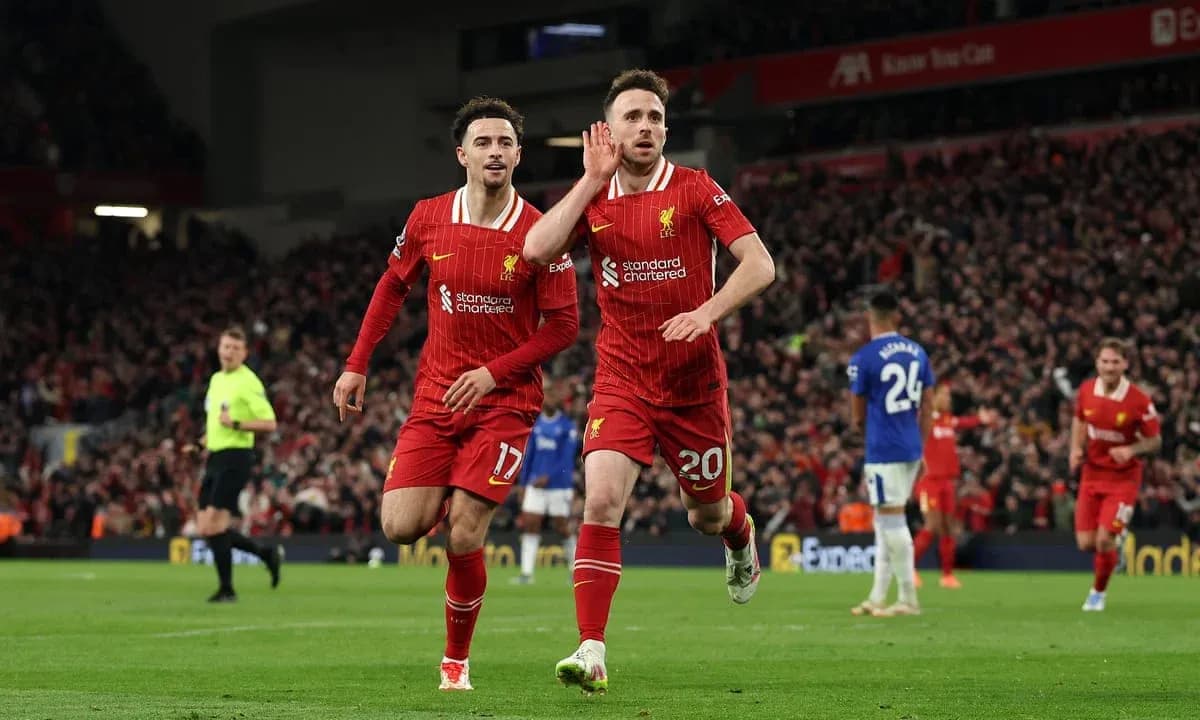
Liverpool Edge Everton in Tactical Derby Clash
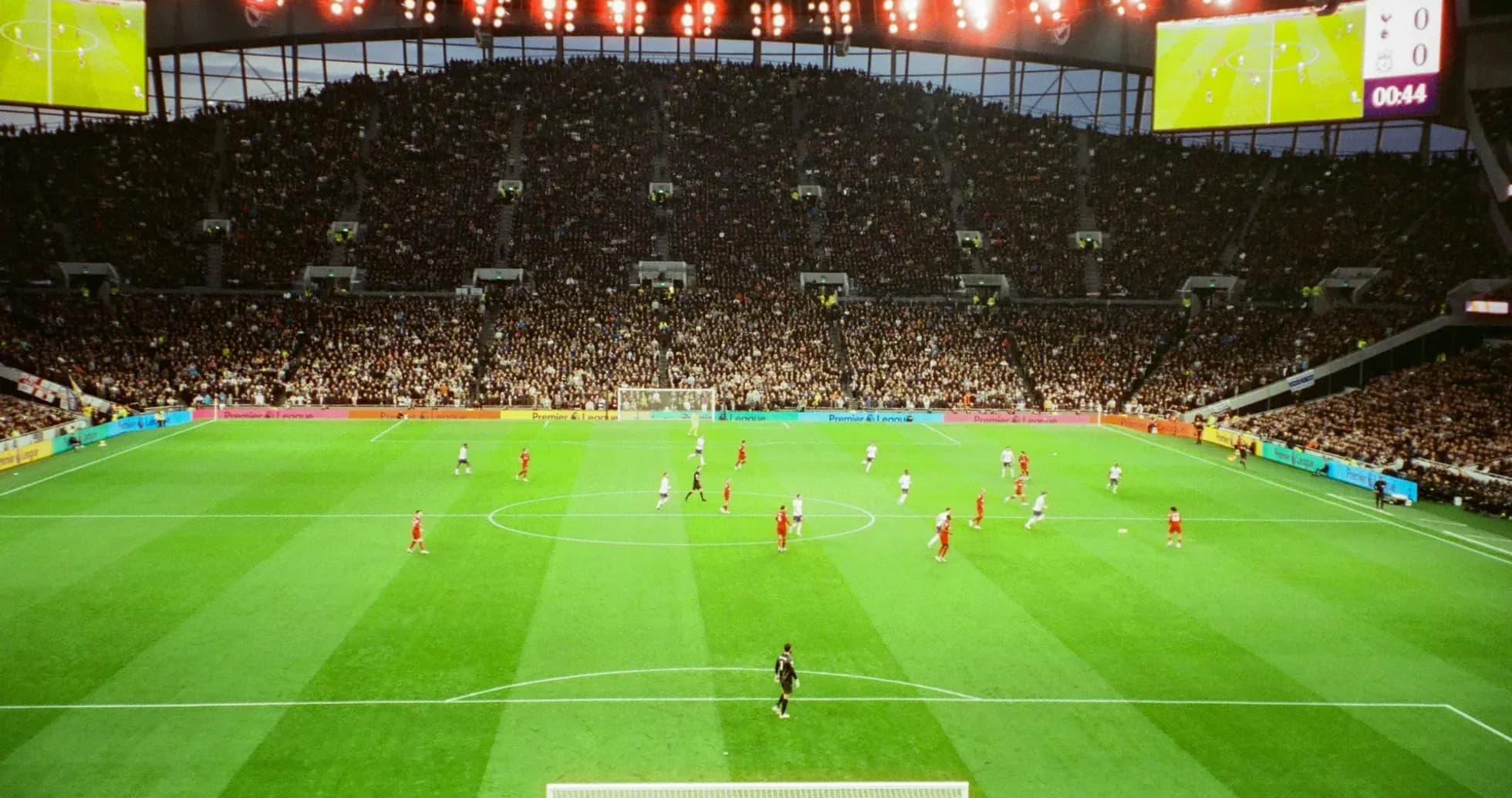
The afternoon at Hill Dickinson Stadium closed with a familiar, bitter taste for Everton. In a derby that carried European implications as much as local pride, Liverpool’s 2-1 win tightened their grip on fifth place while leaving Everton stranded in mid‑table purgatory. Following this result, Liverpool sit 5th on 55 points with a goal difference of 11, their attacking edge (54 goals scored overall) once again bailing out a defence that remains porous. Everton, 10th with 47 points and a goal difference of 1, embody balance without bite: 40 goals scored and 39 conceded overall, respectable but rarely decisive.
The tactical shapes told the story of two clubs at different stages of their evolution. Liverpool arrived with a clear 4‑2‑3‑1 under Arne Slot, a system that has become their seasonal signature, used in 30 league matches. Everton, by contrast, were listed without a defined formation, a reflection of a side that has oscillated between structures even as the underlying numbers – 4‑2‑3‑1 in 20 league games, 4‑3‑3 just once – suggest a preference for stability they have not always managed to impose.
Injury absences framed the contest before a ball was kicked. Everton were without J. Grealish, their creative agitator and joint‑top provider with 6 assists. His 40 key passes and 57 dribble attempts this season have often been the mechanism by which they break compact blocks; without him, the onus shifted onto K. Dewsbury-Hall and D. McNeil to carry and combine between the lines. On the other side, Liverpool were stripped of depth and balance: Alisson’s muscle injury handed the gloves to G. Mamardashvili, while S. Bajcetic, C. Bradley, H. Ekitike, W. Endo, J. Gomez and G. Leoni all missed out. The spine remained intact, but the rotation options that normally refresh Slot’s press and protect leads were badly thinned.
Discipline, always a sub‑plot in this fixture, lurked in the background. Everton entered as one of the league’s more combustible sides late in games. Their yellow-card profile is heavily back‑loaded: 23.73% of their yellows arrive between 76‑90', and another 16.95% in 91‑105'. Red cards tell a similar story, with 50.00% shown in that 76‑90' band. Liverpool, too, tend to live on the edge as matches stretch, with 28.57% of their yellows between 76‑90' and 16.33% in 91‑105'. This was always likely to become a contest decided in the chaos of the final quarter, where tired legs and tactical tweaks collide.
Match Analysis
On the pitch, Liverpool’s structure crystallised quickly. Mamardashvili sat behind a back four of C. Jones, I. Konate, V. van Dijk and A. Robertson, a line built for aggressive field position rather than deep retreat. Ahead of them, D. Szoboszlai and R. Gravenberch formed the double pivot, tasked with both circulating possession and compressing the space around Everton’s central midfield. The attacking trio of M. Salah, F. Wirtz and C. Gakpo floated behind A. Isak, a front four designed less as fixed positions and more as rotating threats.
Everton’s XI, even without a formal shape on the teamsheet, resolved into a recognisable pattern: J. Pickford behind a back four of J. O'Brien, J. Tarkowski, J. Branthwaite and V. Mykolenko. In front of them, I. Gueye and J. Garner offered screening and progression, with McNeil, Dewsbury-Hall and I. Ndiaye supporting Beto. It is a spine that explains their statistical profile: functional, combative, and capable of grinding out results. At home this season, Everton average 1.3 goals for and 1.2 goals against, a mirror that reflects their 6 wins, 4 draws and 7 defeats in 17 matches at Hill Dickinson Stadium.
The “Hunter vs Shield” duel here was layered. Liverpool’s attack, scoring 1.5 goals on their travels and 1.6 overall, came up against an Everton defence that concedes 1.2 at home and 1.2 overall. On paper, that is a narrow edge to the visitors, and the 2-1 scoreline bore it out. Without H. Ekitike – Liverpool’s top league scorer with 11 goals but absent through an Achilles tendon injury – the burden shifted onto Salah, Isak and the creative core behind them. Salah’s season has been that of a creator-finisher hybrid: 7 goals and 6 assists, with 47 key passes and 41 shots. C. Gakpo, with 6 goals and 5 assists, and F. Wirtz, operating between the lines, supplied the vertical runs and wall passes that repeatedly pulled Everton’s block out of shape.
The “Engine Room” battle was equally decisive. For Everton, J. Garner is both metronome and enforcer. His league numbers – 1531 passes at 87% accuracy, 103 tackles, 9 blocked shots and 51 interceptions – paint the picture of a midfielder who both builds and breaks. He is also their disciplinary barometer, carrying 9 yellow cards and living on the edge of the tackle. Against Liverpool’s double pivot, he was asked to do too much: plug gaps left by higher‑risk pressing, progress the ball under pressure, and still find angles into Beto’s feet.
Opposite him, Szoboszlai orchestrated Liverpool’s tempo. His 1938 passes at 87% accuracy and 61 key passes this season underscore why Slot trusts him as the primary conduit from back to front. He also brings edge: 7 yellows and 1 red, plus a missed penalty on his seasonal ledger, a reminder that his aggression can cut both ways. Yet in this derby, that steel helped Liverpool wrest control of second balls and compress Everton into longer, lower‑percentage clearances.
Defensively, Everton’s centre-backs embodied their season. J. O'Brien, with 16 successful blocked shots and 50 tackles across the campaign, and J. Branthwaite fought to hold the line against Isak’s movement and the late surges of Gakpo and Salah. But Liverpool’s overall attacking volume – 54 goals in 33 matches, with 29 at home and 25 on their travels – is usually enough to find cracks, especially against a side that has failed to score 9 times overall and still lacks a reliable Plan B when chasing games.
From a statistical prognosis standpoint, the outcome fits the trend lines. Heading into this game, Everton’s overall scoring rate of 1.2 goals per match and Liverpool’s 1.6 suggested a narrow but persistent offensive advantage for the visitors. Both sides boast a solid clean-sheet base – Everton with 11 overall, Liverpool with 10 – yet Liverpool’s capacity to stack chances and share goals across multiple creators tilted the balance.
Following this result, the narrative is clear. Everton remain a side whose structure and effort rarely collapse, but whose ceiling is capped by a lack of elite final-third punch, especially when Grealish is missing. Liverpool, even shorn of Alisson and Ekitike, can still lean on a sophisticated 4‑2‑3‑1, a creative axis of Salah, Wirtz and Gakpo, and the passing authority of Szoboszlai to edge tight, emotional derbies. In a league table defined by fine margins, this 2-1 away win feels less like an anomaly and more like the logical expression of both squads’ seasonal DNA.