Louisville City vs Brooklyn: Tactical Draw Analysis
Under the lights at Lynn Family Stadium, Louisville City and Brooklyn played out a 2-2 draw that felt less like a routine Group Stage fixture and more like a tactical litmus test for where both clubs stand in the 2026 USL Championship. Following this result, Louisville remain the side with the stronger overall profile: 3rd in USL 1 with 21 points, a positive overall goal difference of 2 (24 scored, 22 conceded), and a campaign built on controlled aggression. Brooklyn, 11th with 9 points and an overall goal difference of -9 (13 scored, 22 conceded), continue to live on the edge between promise and vulnerability.
Louisville’s season-long DNA is clear. Across 14 matches, they average 1.7 goals in total, conceding 1.6 in total. At home, those numbers flatten into a mirror: 11 goals scored and 11 conceded in 7 outings, an average of 1.6 for and 1.6 against. This is not a side that blows teams away at Lynn Family Stadium; instead, they engage in high-variance, high-stress encounters, with a clean sheet in only 1 home game and a failure to score in 3. Their four-match winning streak earlier in the season and a biggest home win of 4-1 hint at a ceiling that is genuinely high, but the 0-2 home defeat on their record underlines how quickly things can tilt.
Brooklyn arrive with a very different profile. On their travels, they have yet to win: 0 wins, 2 draws, 4 losses from 6 away matches. They score 7 away goals (1.2 on average) but concede a punishing 17 away (2.8 on average). That away defensive fragility is the defining statistic of their campaign so far. Overall, 13 goals scored and 22 conceded in 12 matches give them an overall average of 1.1 for and 1.8 against, with a stark -9 goal difference that accurately reflects the balance of their season.
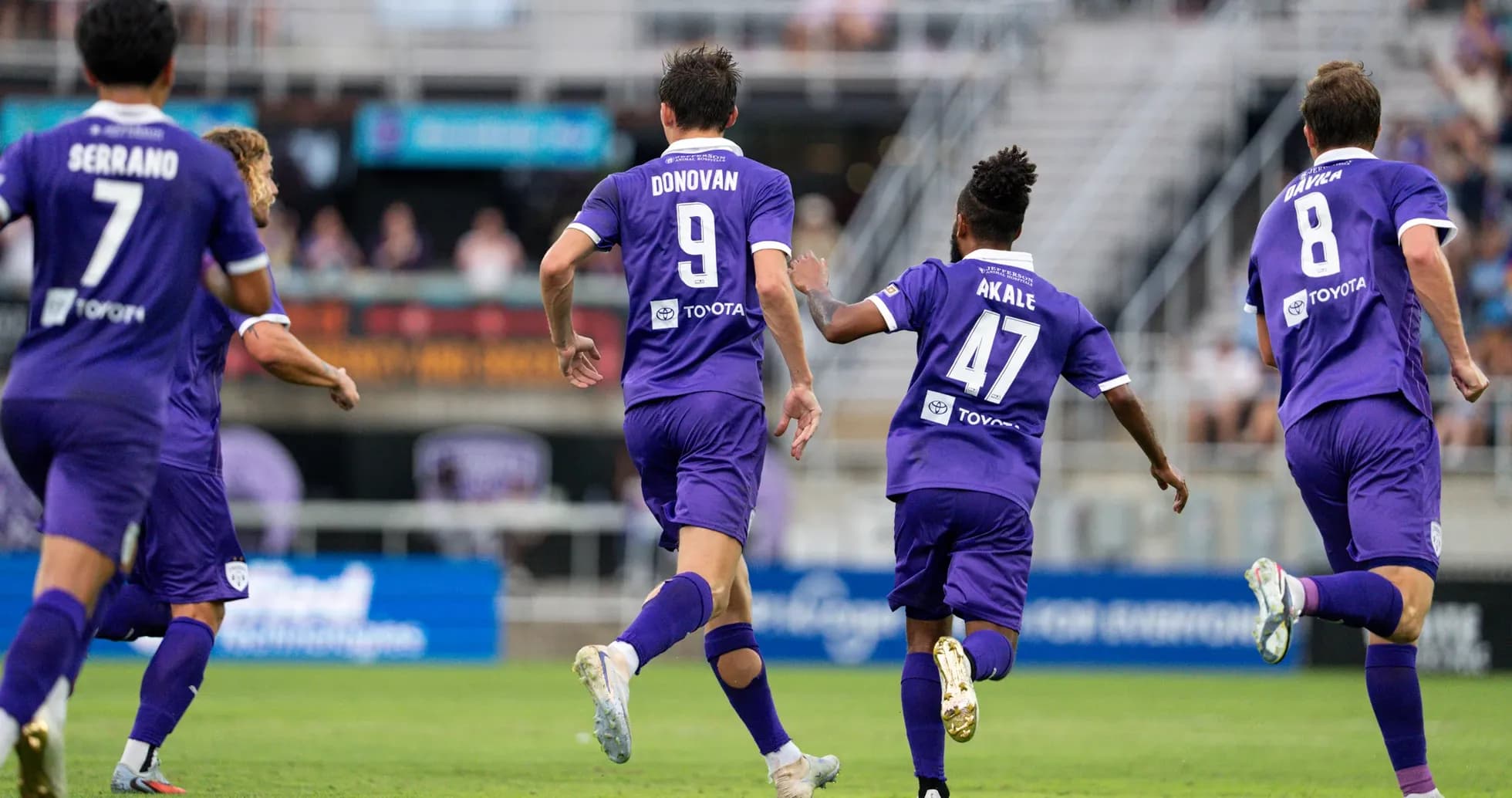
From a squad perspective, Simon Bird’s Louisville XI is built around a spine that blends experience and technical control. In goal, D. Faundez anchors a back line featuring S. Totsch and B. Dayes, with K. Adams and A. McFadden offering width and defensive coverage. The midfield engine is structured around T. Davila and Z. Duncan, with A. Dia and M. Akale operating in the half-spaces and wider pockets. Up front, R. Serrano and C. Donovan give Bird a dual-threat forward line that can stretch the pitch vertically and horizontally.
Brooklyn’s starting group, by contrast, is more transitional and reactive. L. Burns in goal sits behind a defensive unit of T. Vancaeyezeele, C. Frogson, V. Latinovich and Gabriel Alves. In midfield, M. Pinto and T. McNamara provide structure, while S. Stojanovic and P. Mangione support the creative and pressing responsibilities. C. Olney JR and M. Anderson complete an attacking line that must work hard without the ball given Brooklyn’s defensive record, especially away.
Tactically, the key voids for Louisville are less about absences and more about game management. Their disciplinary profile reveals a team that increasingly lives on the edge as matches progress: 6 yellow cards between 46-60 minutes (26.09% of their total yellows) and 5 more between 76-90 minutes (21.74%). This late-game aggression can be a weapon in counter-pressing phases but also risks destabilising their structure just as opponents push for late chances.
Brooklyn’s card map is even more volatile. They see yellow consistently from 16-30 minutes (15.38%), 46-60 minutes (19.23%) and 61-75 minutes (19.23%), but the real flashpoint is stoppage time: 6 yellows between 91-105 minutes, a striking 23.08% of their total, and both of their red cards also arrive in that 91-105 window. This is a side that struggles to emotionally and structurally manage the closing phases of games, especially under scoreboard pressure.
The “Hunter vs Shield” matchup leans toward Louisville. With an overall scoring average of 1.7 and a biggest home haul of 4 goals, Bird’s forwards and attacking midfielders are well positioned to exploit a Brooklyn away defence conceding 2.8 goals on average. Brooklyn’s shield, particularly the Burns–Latinovich–Vancaeyezeele axis, will need to compress space in front of the box and prevent Louisville’s wide players like Dia and Akale from isolating full-backs and driving into the area.
In the “Engine Room,” the duel between Louisville’s central pairing of Davila and Duncan and Brooklyn’s core of Pinto and McNamara shapes the tempo. Louisville’s season suggests they are comfortable in chaotic, end-to-end games, but their best version is the one that controls transitions and allows Serrano and Donovan to receive the ball in structured, repeatable patterns rather than broken play. Brooklyn, with only 2 clean sheets and none away, must lean on McNamara’s positional intelligence and Pinto’s screening to slow Louisville’s progression through the middle third.
From a statistical prognosis standpoint, the expected goals landscape tilts toward Louisville’s attacking volume against Brooklyn’s away frailty. Louisville’s balance of 24 goals for and 22 against in total, coupled with Brooklyn’s 17 away goals conceded, suggests a match where the home side generate the higher xG, particularly in the second half when Brooklyn’s card and fatigue profile historically spike. Brooklyn do carry an attacking threat—13 goals overall, 7 on their travels—and their 1 total penalty, converted at 100.00%, shows they can capitalise on isolated high-value chances.
Following this result, the 2-2 draw feels like a missed opportunity for Louisville to turn statistical superiority into three points, and a minor psychological win for Brooklyn, who managed to survive a venue where the hosts’ ceiling is high. Looking ahead, the numbers still forecast Louisville as a playoff-calibre side whose biggest opponent might be their own late-game discipline, while Brooklyn’s path forward demands one thing above all: stabilising that away defensive line before their season slips beyond repair.