Liverpool’s Quansah Clause Risks £400m Transfer Misfire
Liverpool’s bold rebuild after the 2025 Premier League title was supposed to future-proof a champion side. Instead, it is on the verge of being remembered as the club’s most damaging spell of transfer business in a decade.
The numbers were eye-watering. More than £400m splashed on new signings, softened by roughly £200m raised in sales. A churn of bodies, a changing of the guard, a statement that Liverpool would not stand still.
But the exits are coming back to haunt them. One in particular threatens to define the whole window.
Quansah deal exposes painful miscalculation
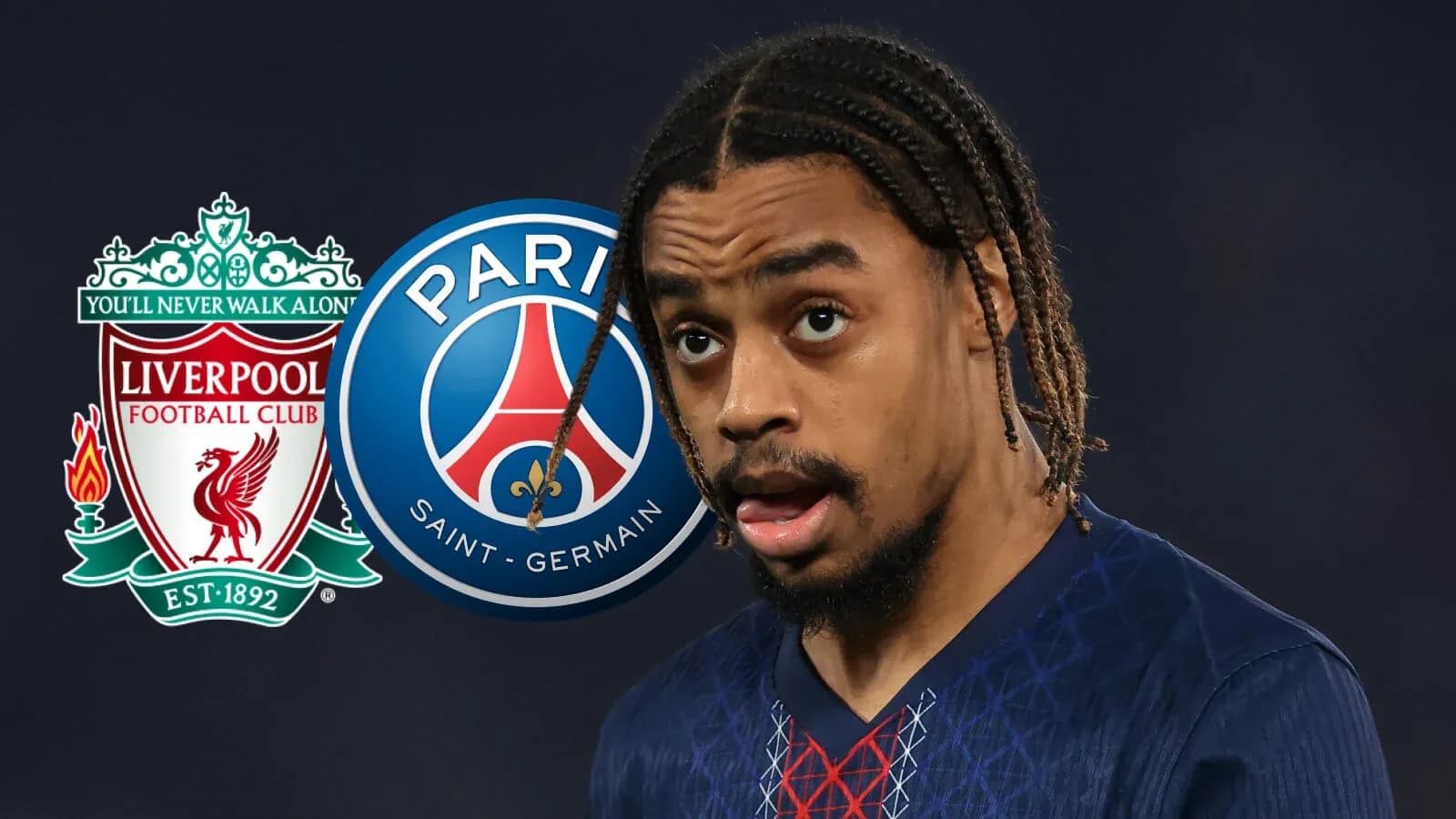
Jarell Quansah’s situation is the one that stings most. Bayer Leverkusen do not want to sell. Arsenal do.
According to Sky Sports, Arsenal are preparing a bid north of £52m for the England international before the window closes. The BBC reports that Liverpool hold a first-refusal option if Leverkusen accept any offer, and the Reds also have an agreement to re-sign Quansah next summer for around £60m.
That clause is both a safety net and a trap.
If Arsenal push past that £60m mark, Leverkusen will have a decision to make. Take more money now from North London, or risk losing Quansah back to Anfield for less in 12 months if his development continues on the same trajectory.
From Liverpool’s perspective, the optics are brutal. They sold a homegrown, England international centre-back for around £25m. If Arsenal win the race and go over £60m, Liverpool will have effectively watched a player they nurtured head to a direct rival for roughly £35m more than they received.
No clever accounting can dress that up. It would be a strategic failure.
A pattern of undervalued exits
Quansah’s case is not an isolated misstep. It fits a pattern.
Caoimhin Kelleher, long regarded as one of the best back-up goalkeepers in the Premier League and ready to start at this level, left for Brentford for an initial £12.5m. Even if the deal reaches its full add-ons at £18m, that figure looks light for a 25-year-old with proven top-flight and European pedigree in a market where No.1 goalkeepers command a premium.
Tyler Morton’s move to Lyon falls into the same category. Liverpool let him go for what has been widely described as a modest fee. He has since quickly grown into one of the standout midfielders in Ligue 1. The talent was there; the market value clearly wasn’t maximised.
Harvey Elliott’s situation tells a different but equally frustrating story. Instead of a sale, a loan was meant to accelerate his development. It did the opposite. A year that was supposed to sharpen his game has instead stalled it and, with it, his valuation. A prized asset has had his stock “tanked” by a misjudged move.
Even the Luis Diaz decision looks increasingly flawed. One of the most electric wingers in world football departed, and Liverpool now face the prospect of spending close to double his sale price just to recruit someone of similar calibre. That is not clever trading. It is paying a premium to correct your own error.
A title defence that unravelled off the pitch
Put all of it together and the picture is stark. A club renowned for its sharp eye in the market and its ability to sell well has, in this cycle, done the opposite.
The squad has regressed. The homegrown core has been weakened. The money brought in has not reflected the quality that walked out of the door.
If Quansah does end up at Arsenal for a fee significantly above £52m, the narrative will be locked in. Liverpool will have offloaded a homegrown England international to a direct rival for far too little, while watching several other former assets thrive elsewhere or lose value through mismanagement.
For a club that once turned transfer windows into a competitive advantage, the question is no longer how they strengthen from here. It is how long the consequences of that single, wild summer will shape the direction of the next era.